18 Days in Japan: Kyoto, Japanese Alps & Hokkaido
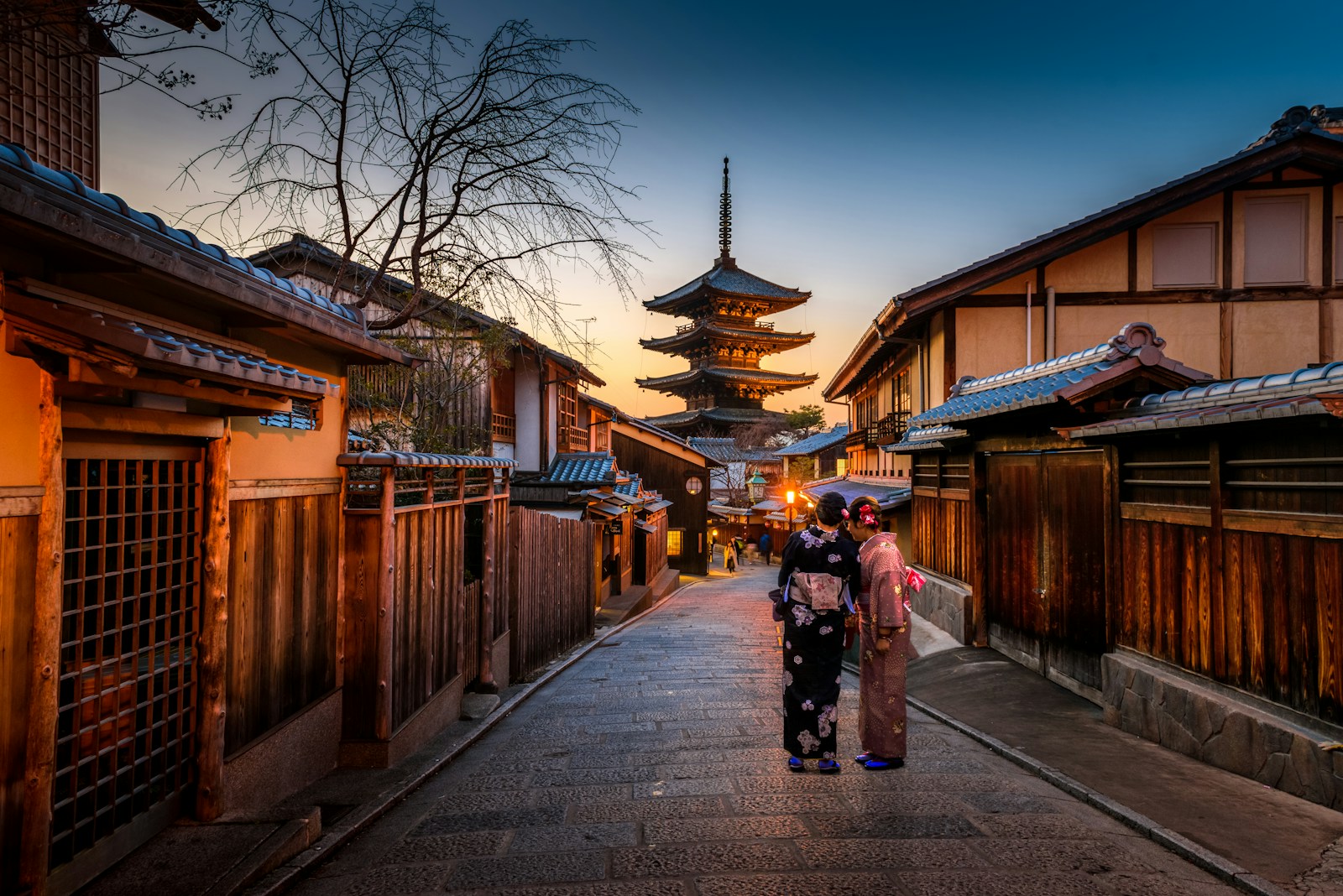
18 days, 6 regions, one calendar
From April 26 to May 13, 2024, our group of family and friends traced a single line through Japan — ancient temples in Kyoto, alpine villages and hiking in the Japanese Alps, the otherworldly landscapes of Hokkaido, and Tokyo's controlled chaos to close it out. This is the full breakdown of how we did it, the moments that hit hardest, and the practical notes we wish we'd had before going.
The whole itinerary lives as a Plany trip you can copy in one tap and rework for your own dates.
Want this itinerary? Copy it into Plany and customize it for your dates.
Copy to PlanyTrip at a glance
- 📅 18 days · April 26 – May 13
- 📍 6 regions: Kyoto, Nara, Kanazawa, Japanese Alps, Hokkaido, Tokyo
- 🏯 5+ UNESCO sites
- 🥾 1 alpine valley, 2 sunrise drives, and a lot of trains
Kyoto · Days 1–3
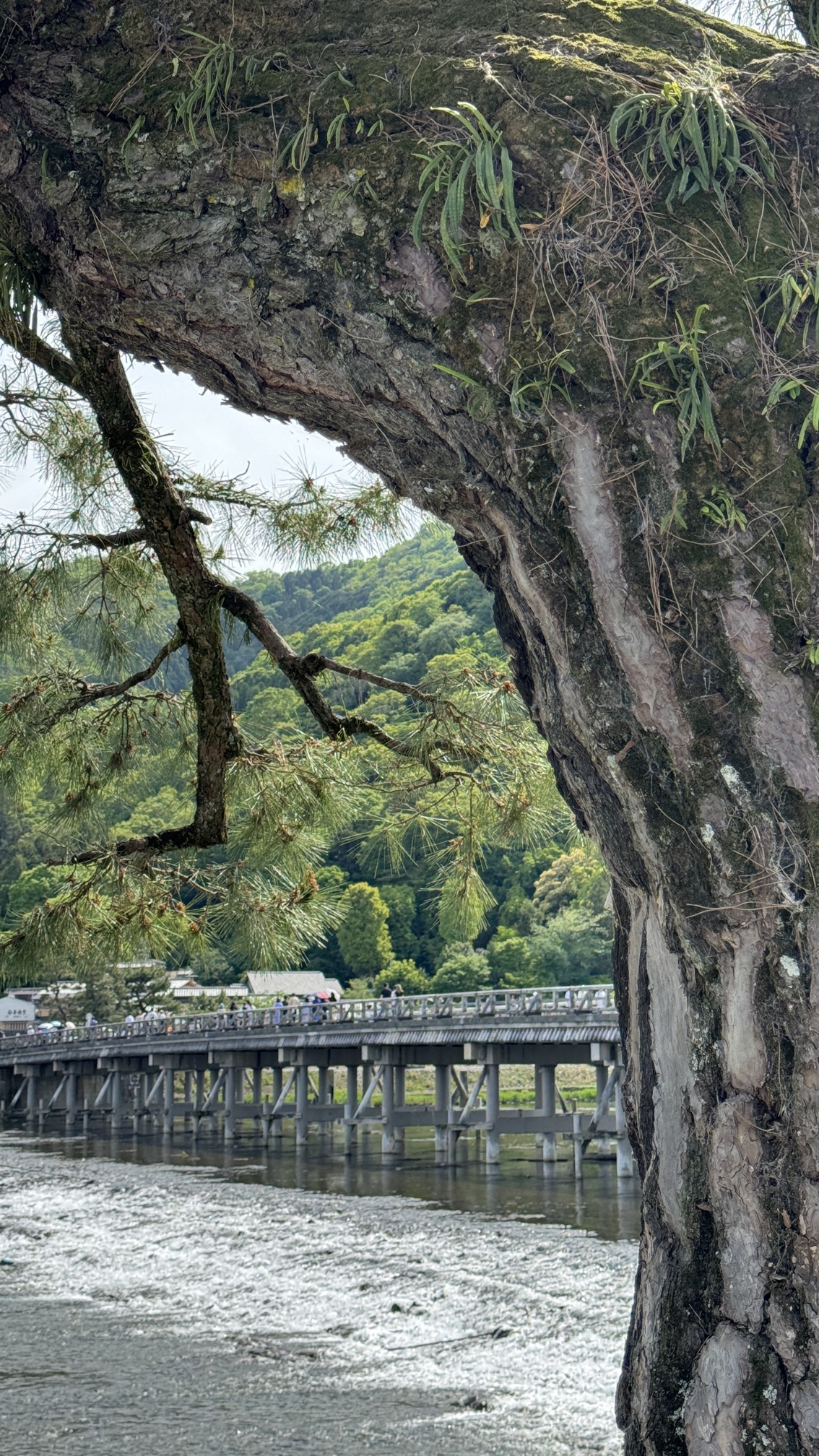
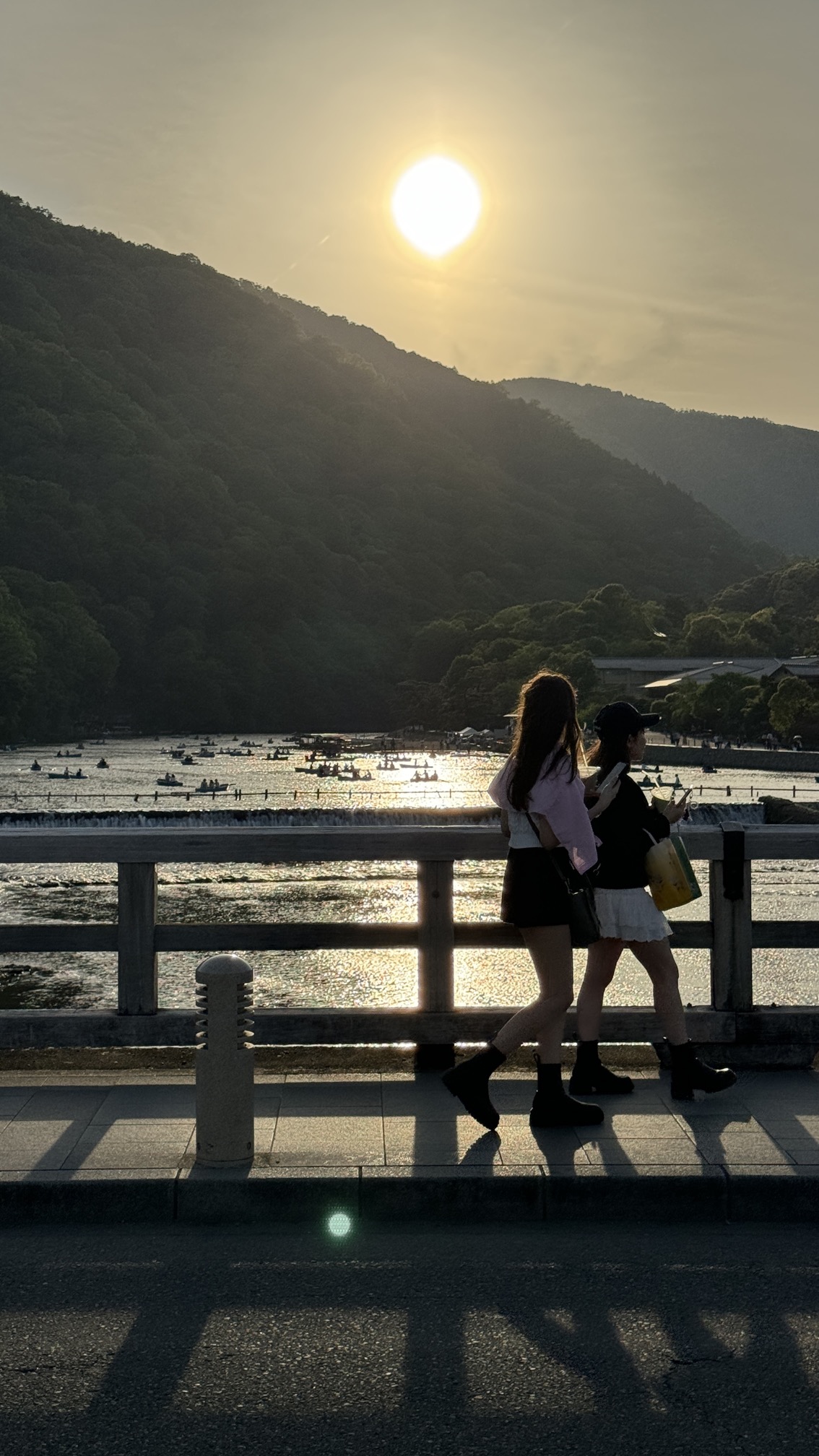
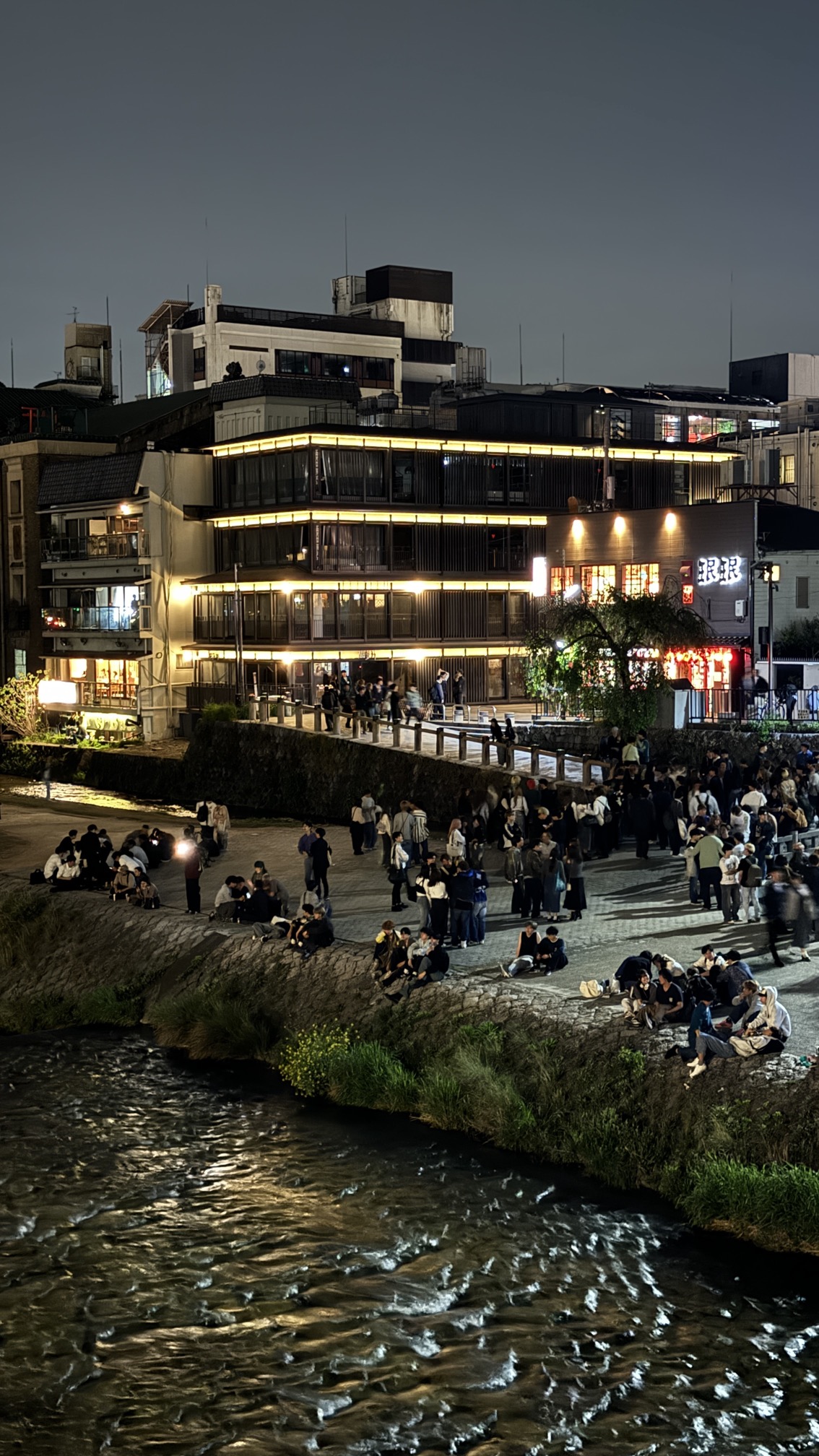
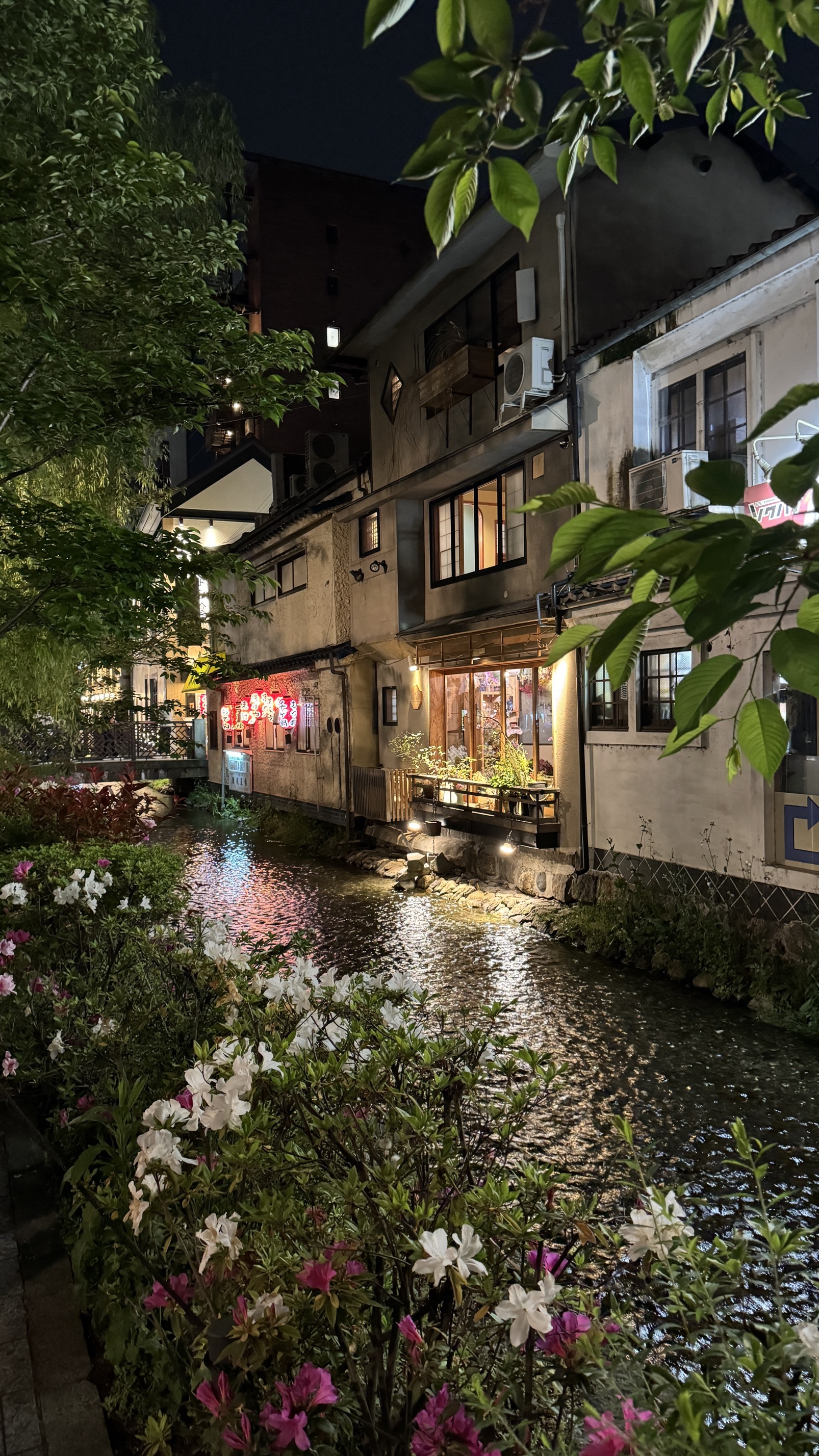
Arriving in Kyoto
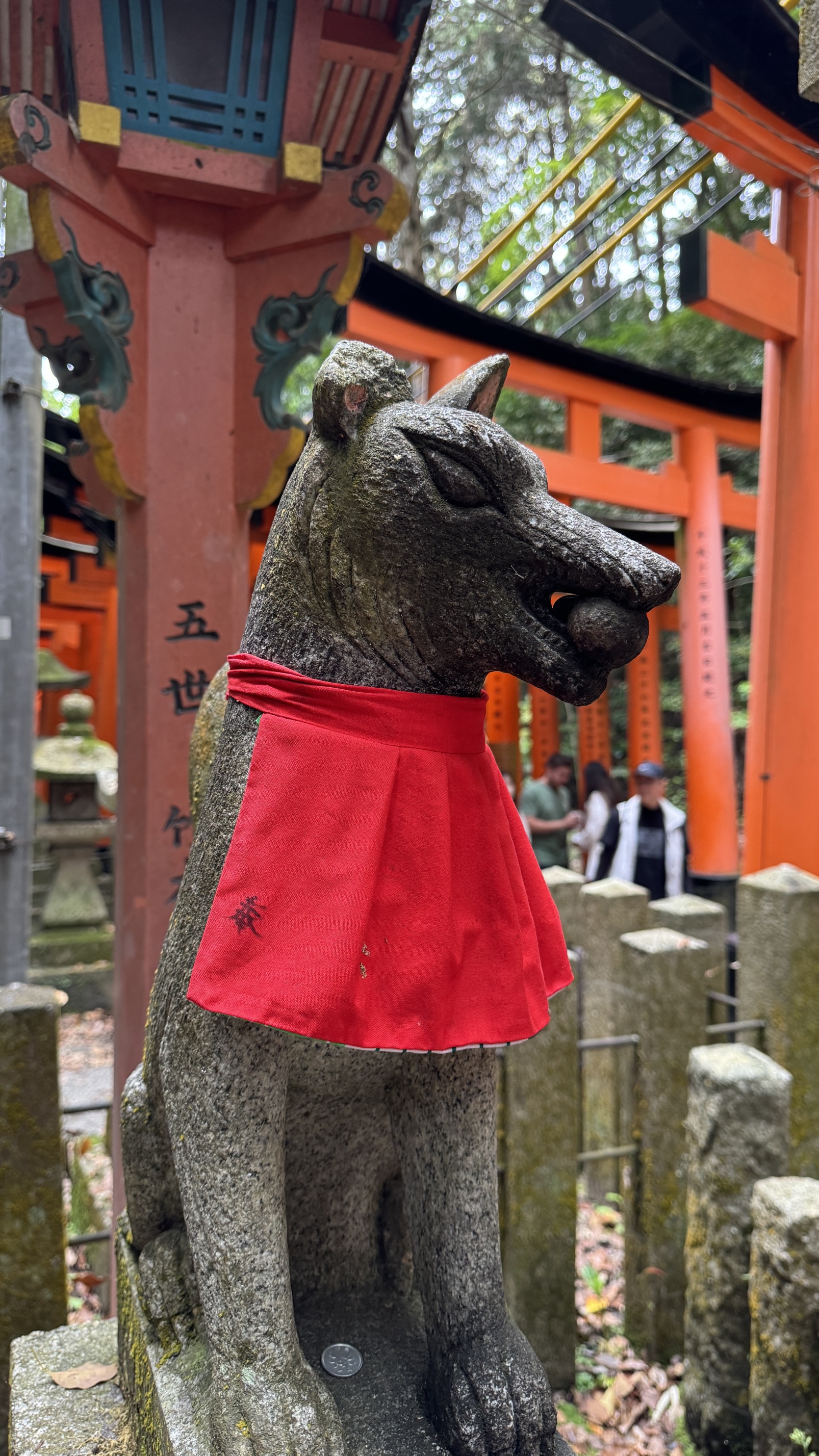
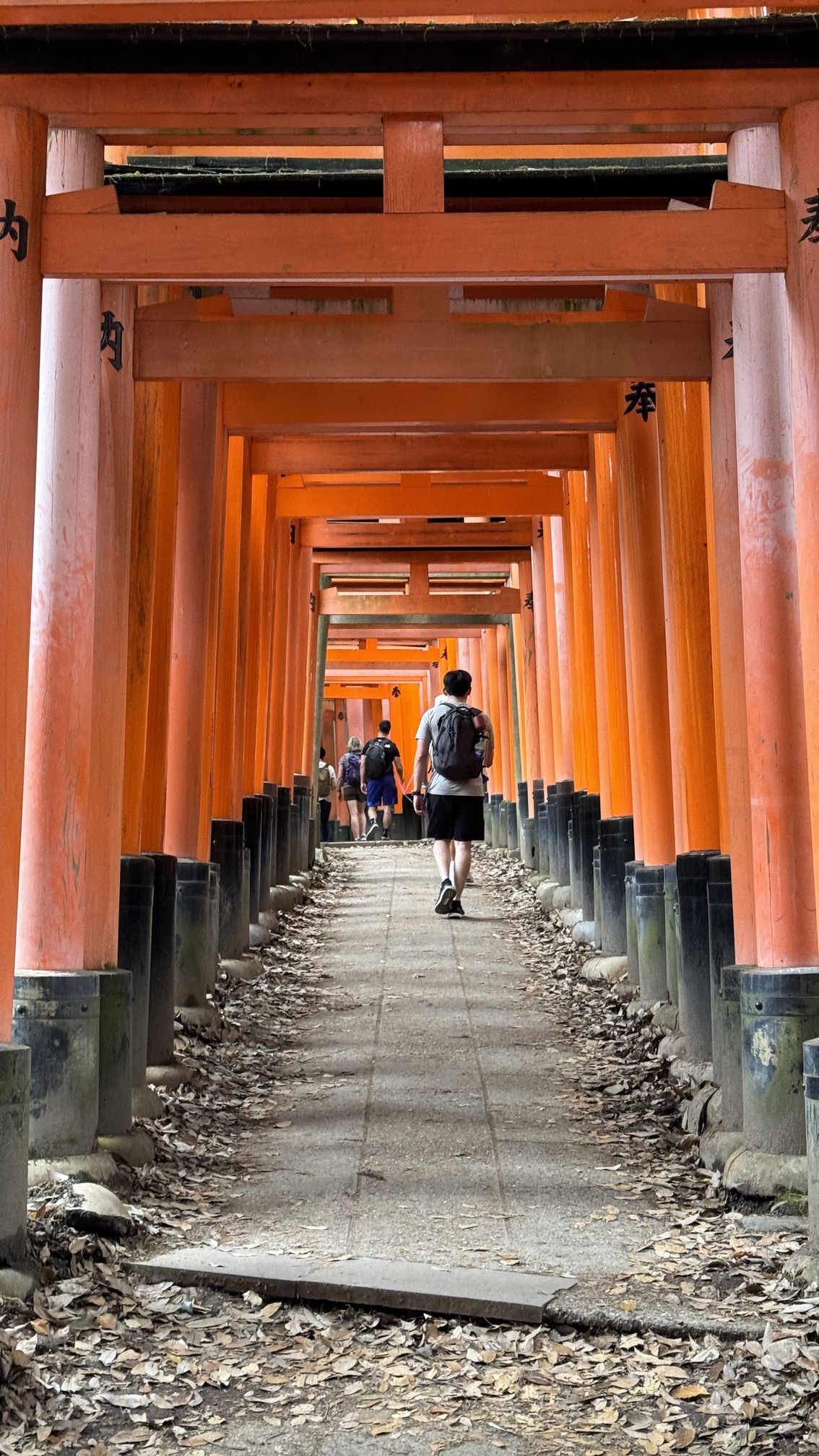
We landed at Kansai in the evening, and the drive into Kyoto felt like a slow dissolve from modern Japan into something much older. By breakfast the next day we were already at Fushimi Inari, walking up through the crimson torii before the crowds arrived. Quiet enough to hear our own footsteps on the stone.
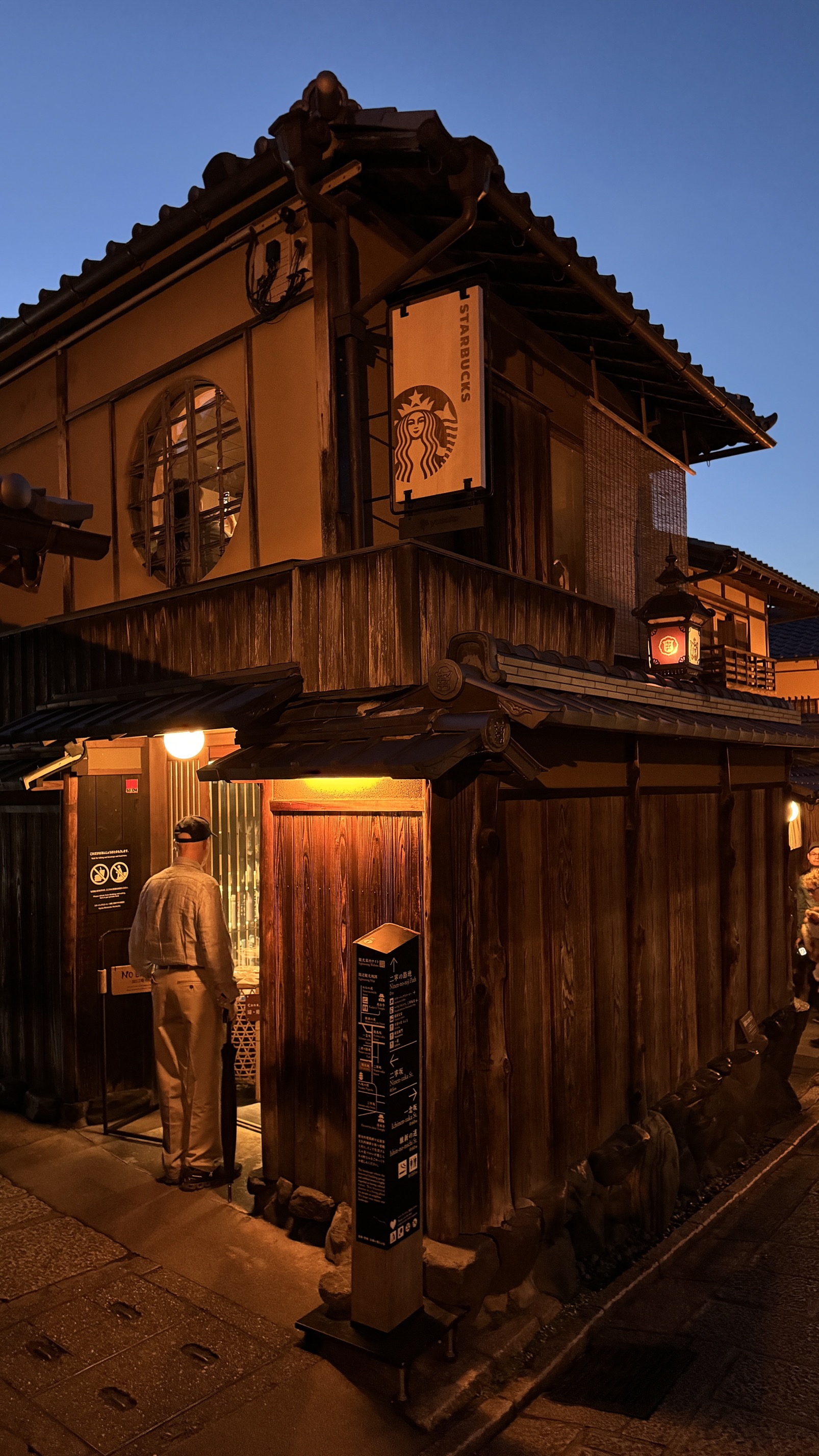
What surprised us most was how intimate the city felt despite its reputation. We'd duck into temple gardens between the headline sights, find a tiny café serving the best matcha any of us had tasted, and watch Gion come alive at dusk. My father kept saying time had slowed down.
The Kyoto highlights we'd repeat
- Fushimi Inari Shrine — Go before 7am. The thousand torii feel completely different without a crowd.
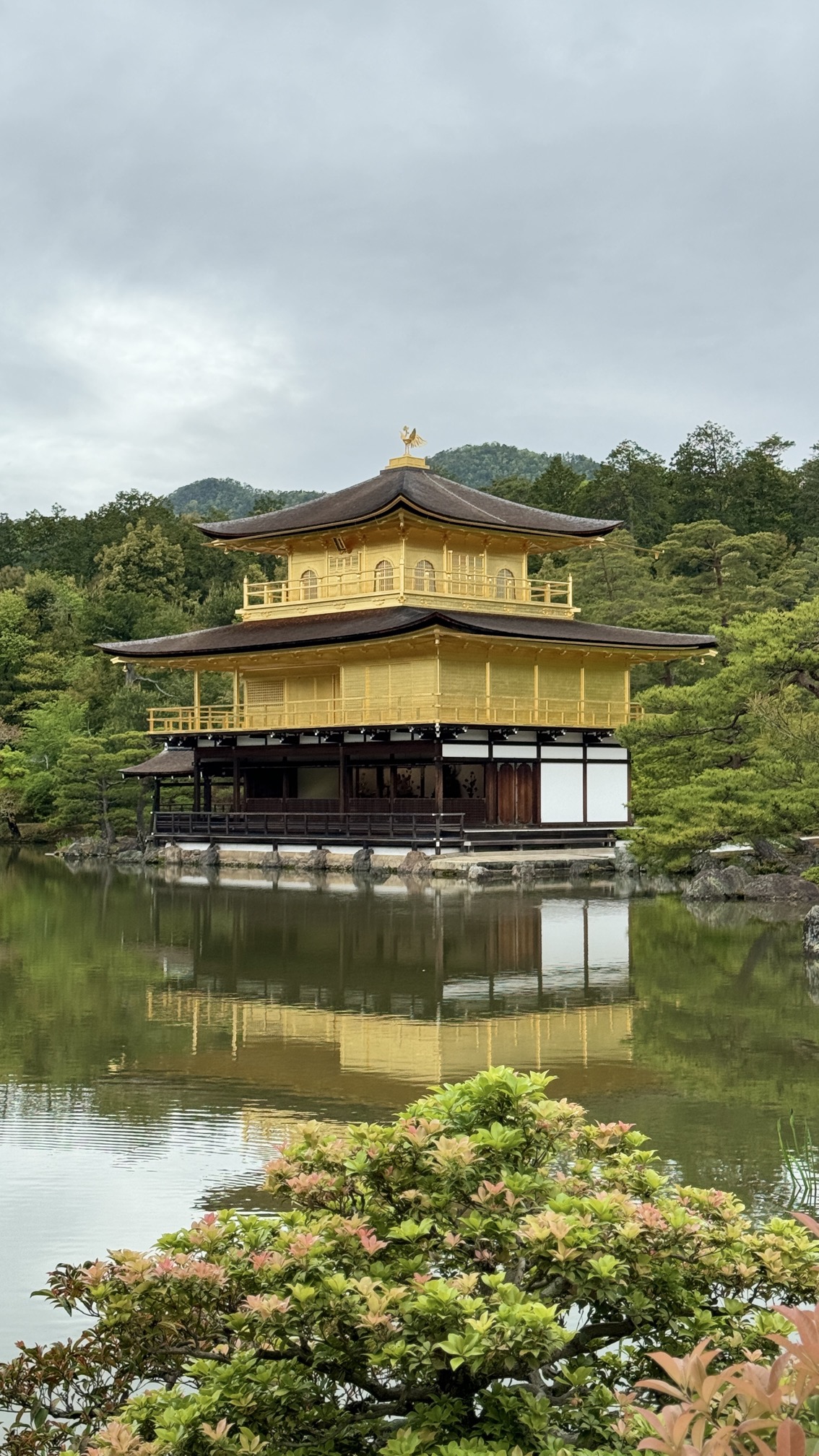
- Kinkaku-ji (Golden Pavilion) — Smaller than the photos suggest, more striking in person.
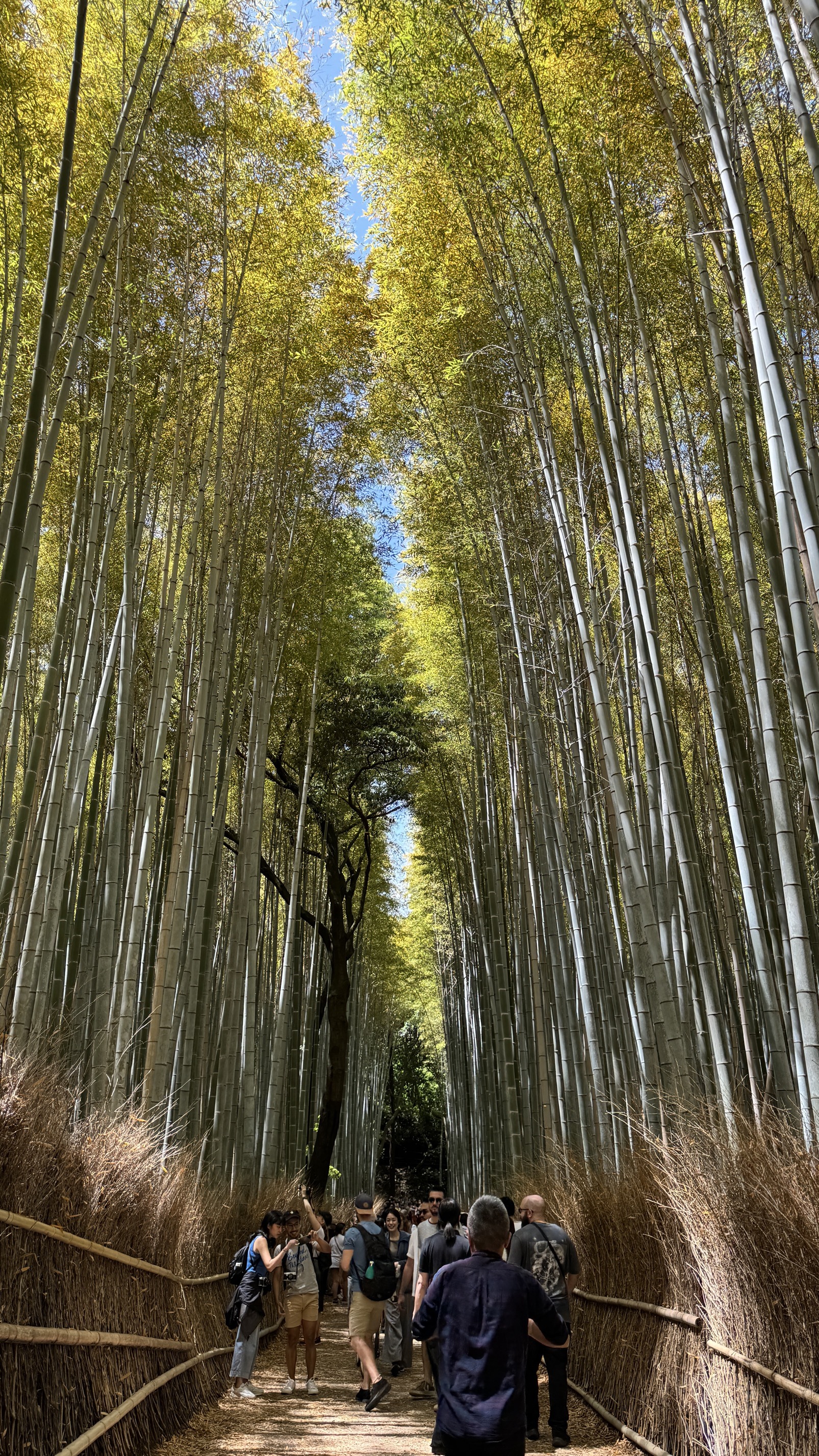
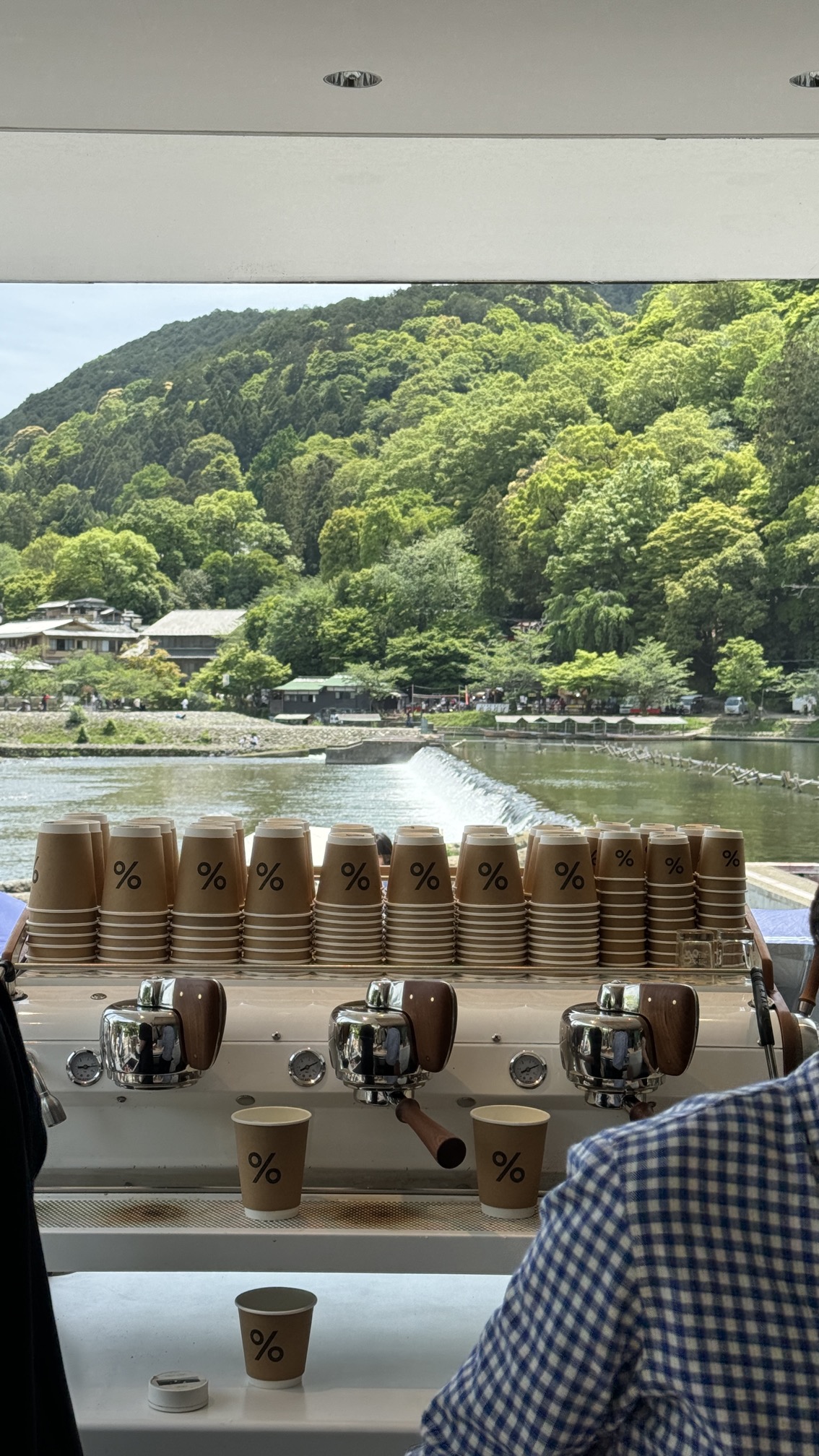
- Arashiyama Bamboo Grove — Pair it with the Togetsu-kyo bridge and an Arabica coffee.
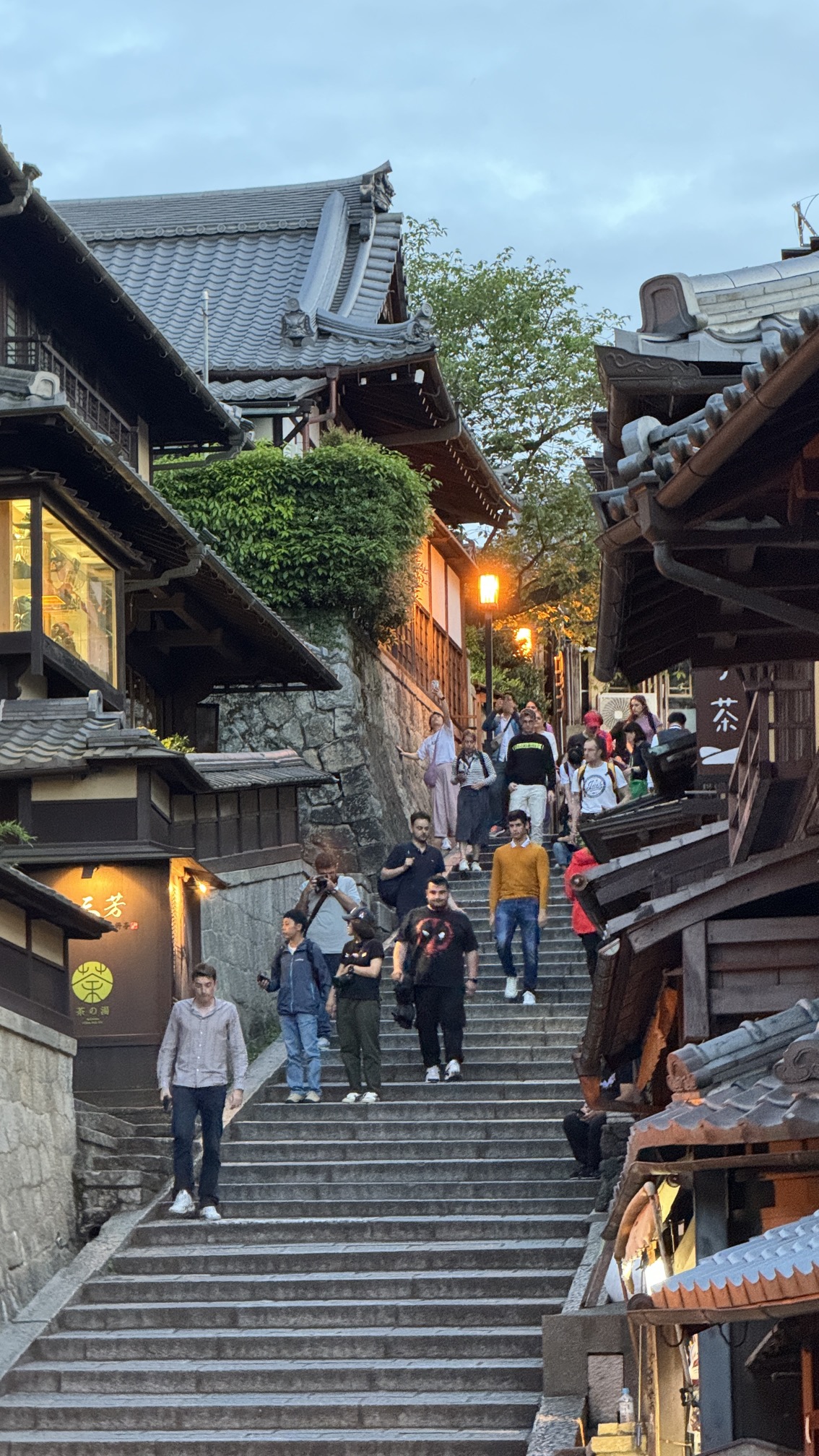
- Gion district — Wander after sunset, not during the day.
What we loved: Kyoto rewards slow mornings and patient walking. Every alley we wandered into had something — a shrine, a tea house, a craftsman's window.
Practical tips
- ✓ Reserve high-end restaurants weeks in advance (some require a Japanese phone number — your hotel can help).
- ✓ Buy an ICOCA card on arrival; tap-and-go on every train and bus.
- ✓ Comfortable shoes are non-negotiable — Kyoto is a walking city.
- ✓ Visit major shrines at sunrise; save museums for the crowded mid-day hours.
Nara · Day 4
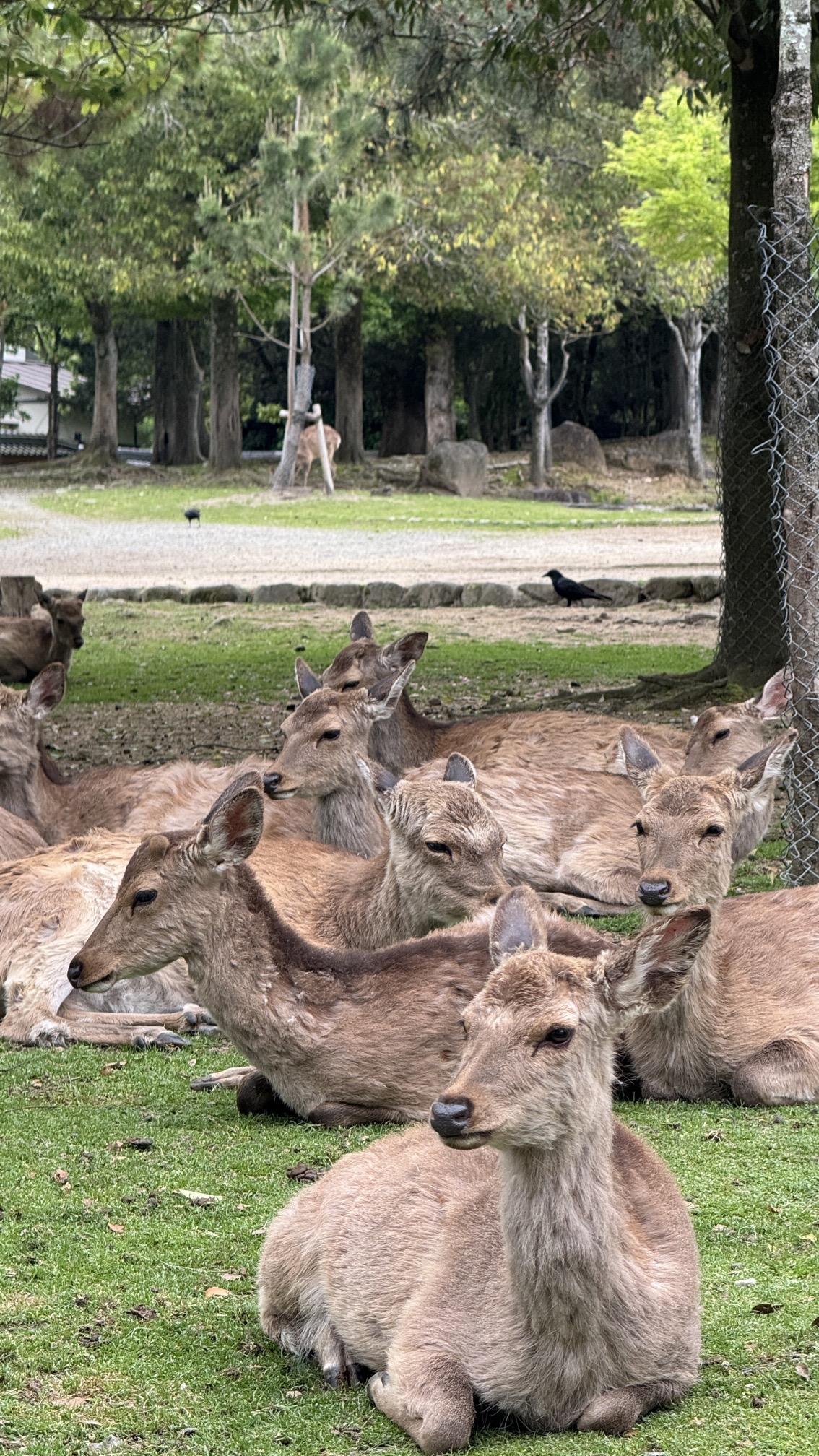
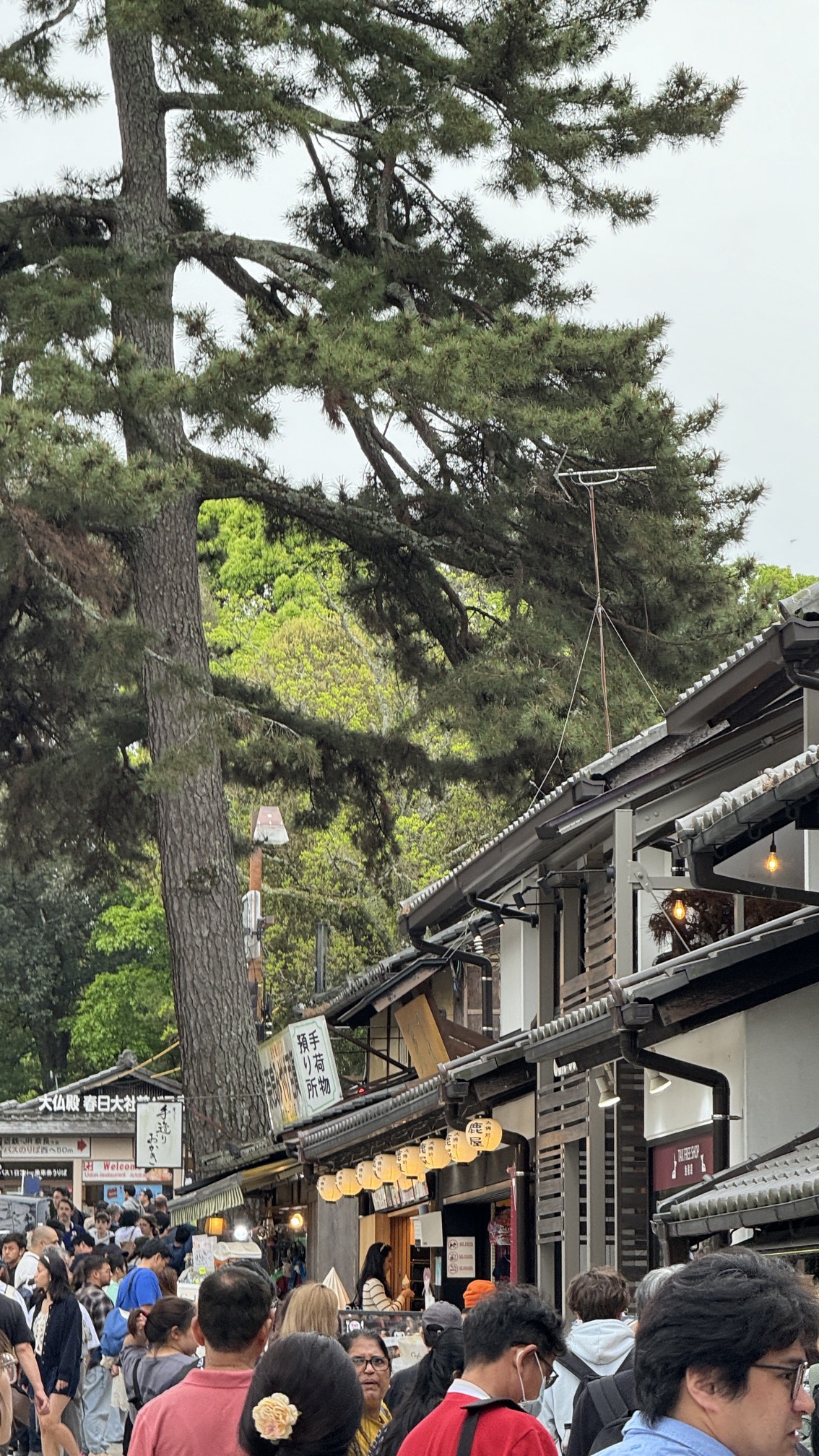
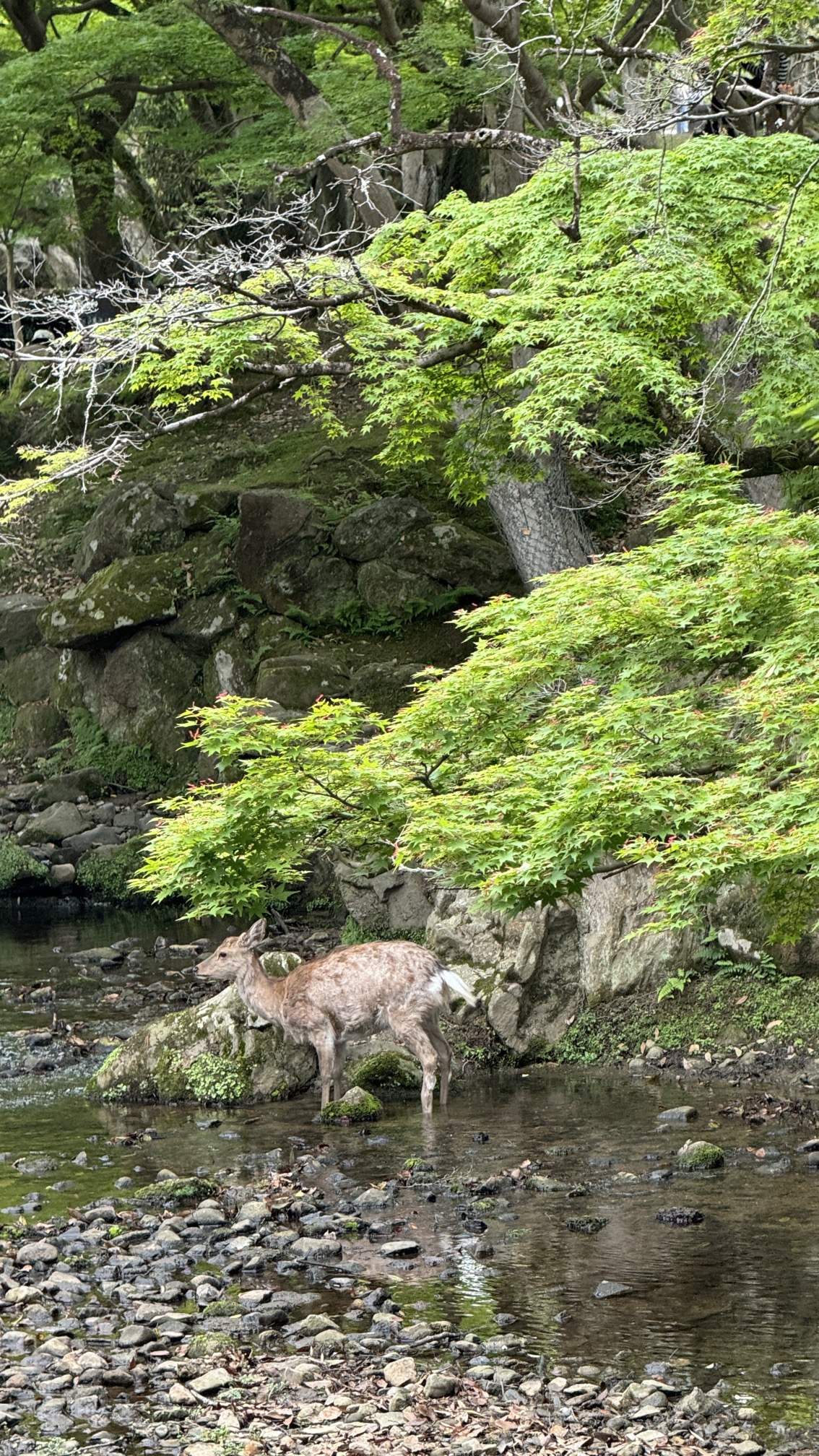
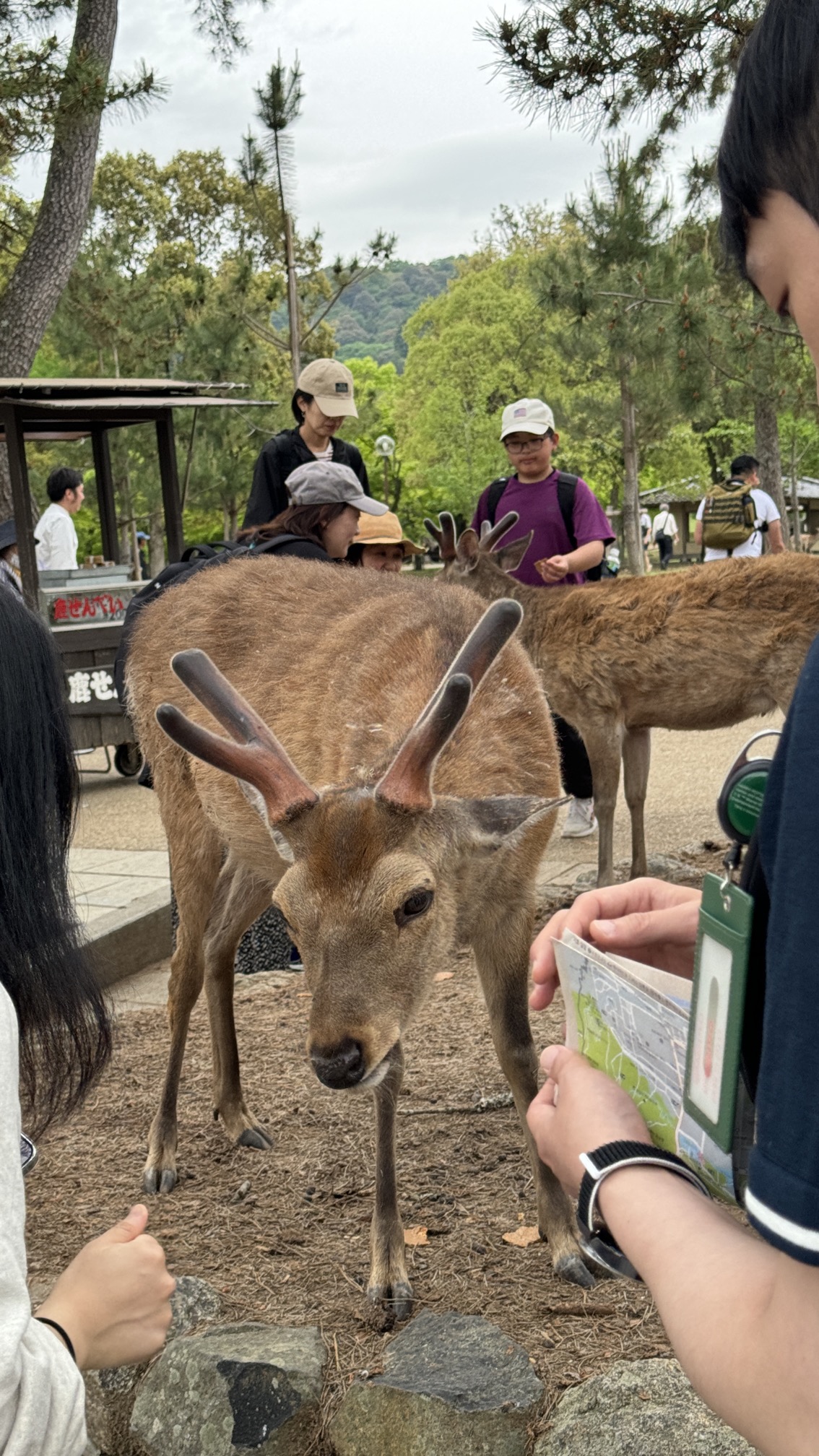
A 45-minute train from Kyoto and you're in a city where the deer outnumber the rules. We came for Todai-ji and the Great Buddha — both genuinely overwhelming up close — and stayed for the park, where sika deer bow for crackers and wander between centuries-old lanterns.
Worth your time
- Todai-ji Great Buddha — Walk all the way around the hall to feel the scale.
- Nara Deer Park — Cute, slightly aggressive, deeply photogenic.
- Kasuga Taisha Shrine — The lantern paths feel cinematic.
What we loved: Nara is easy. You can do it in a day, eat well, and be back in Kyoto for dinner.
Kanazawa · Days 5–6
Off the obvious path
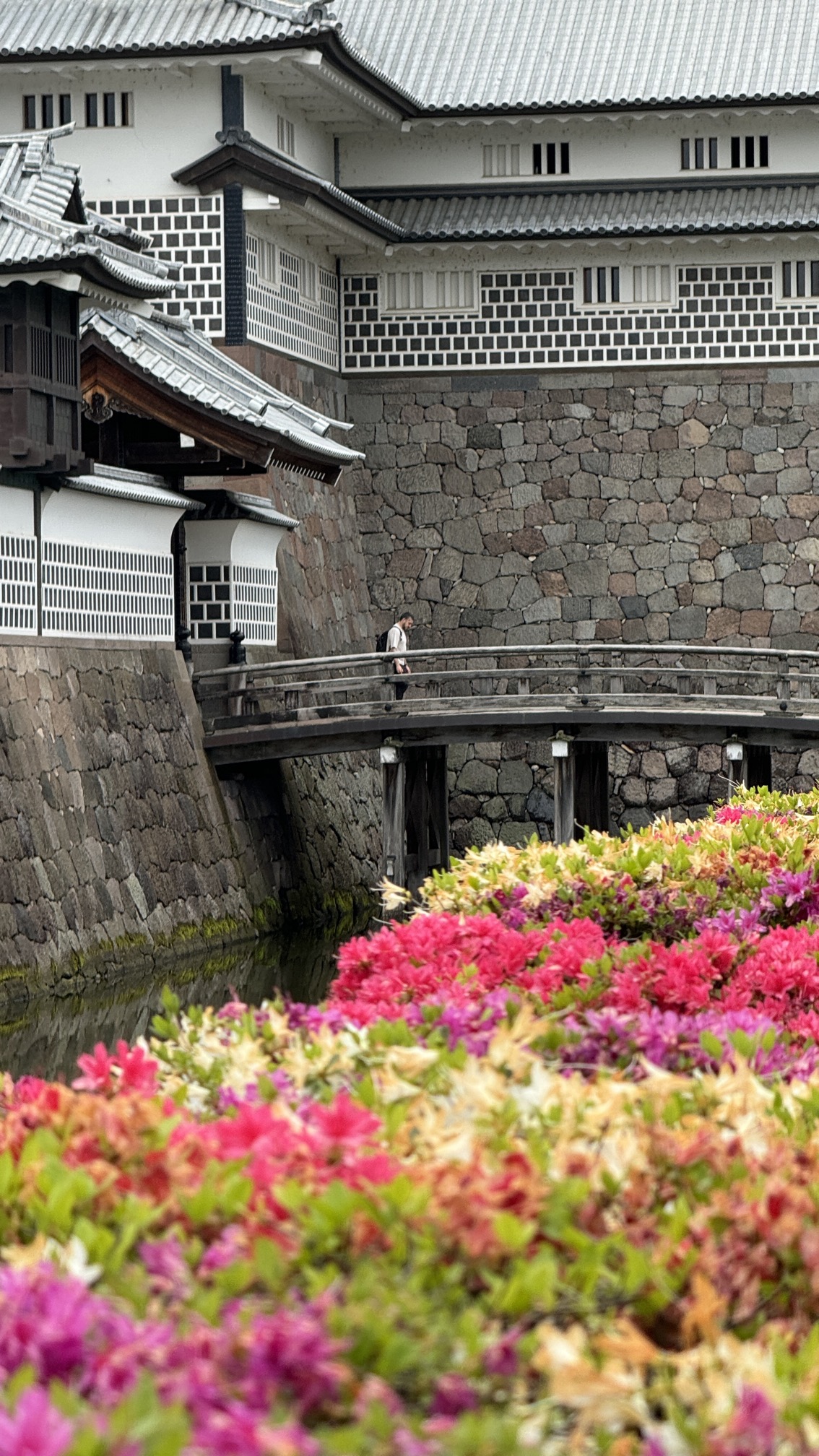
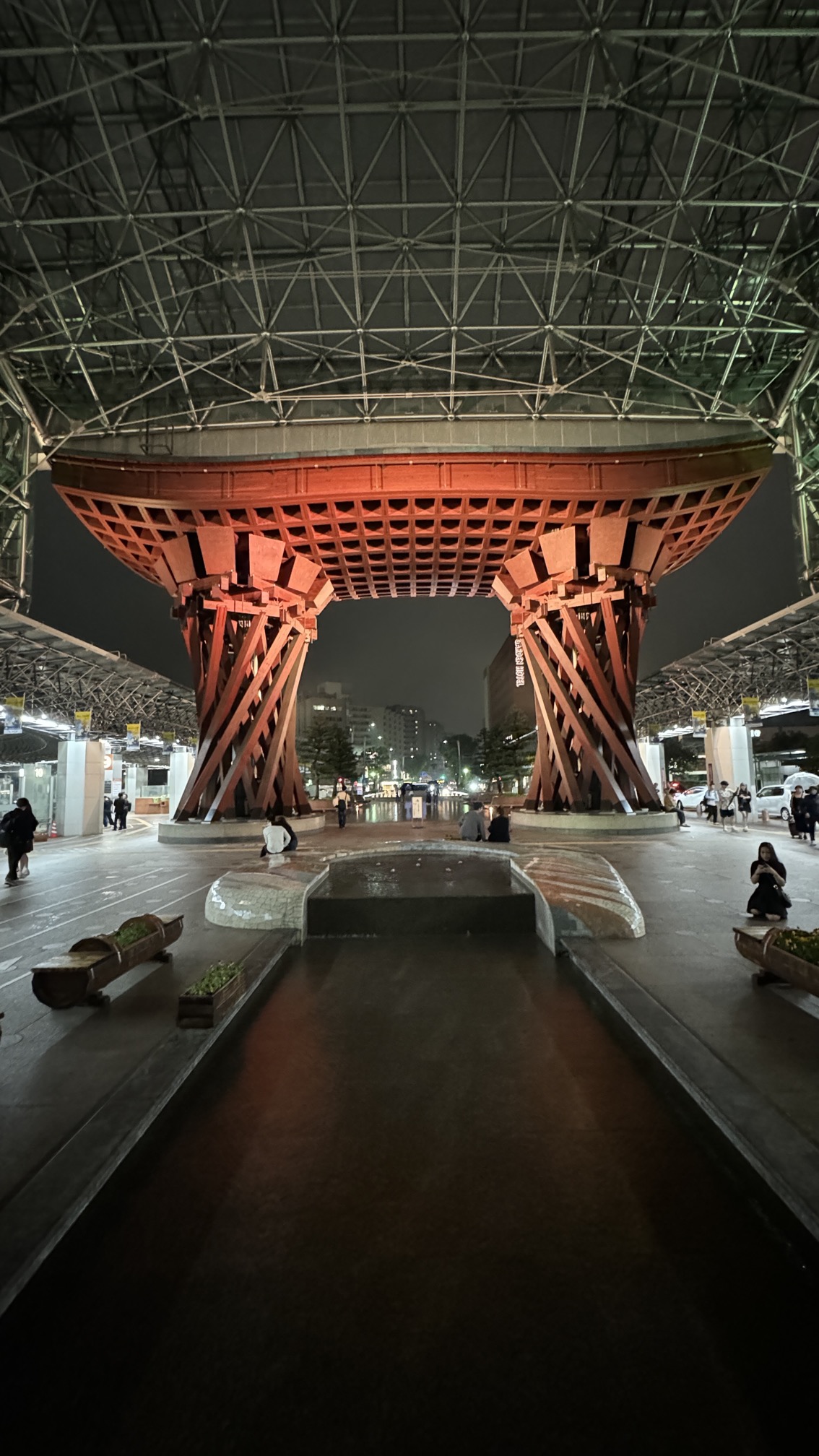
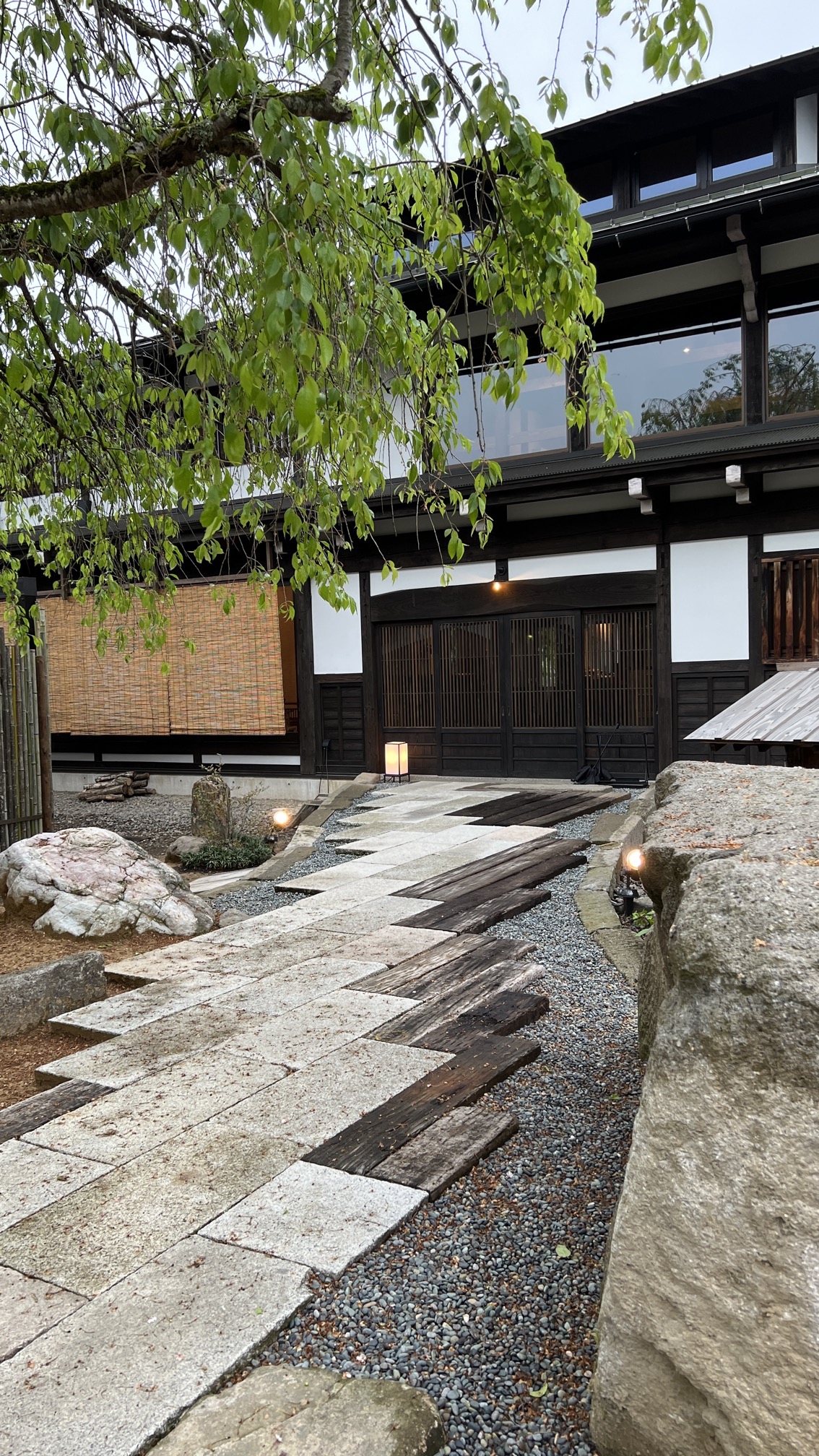
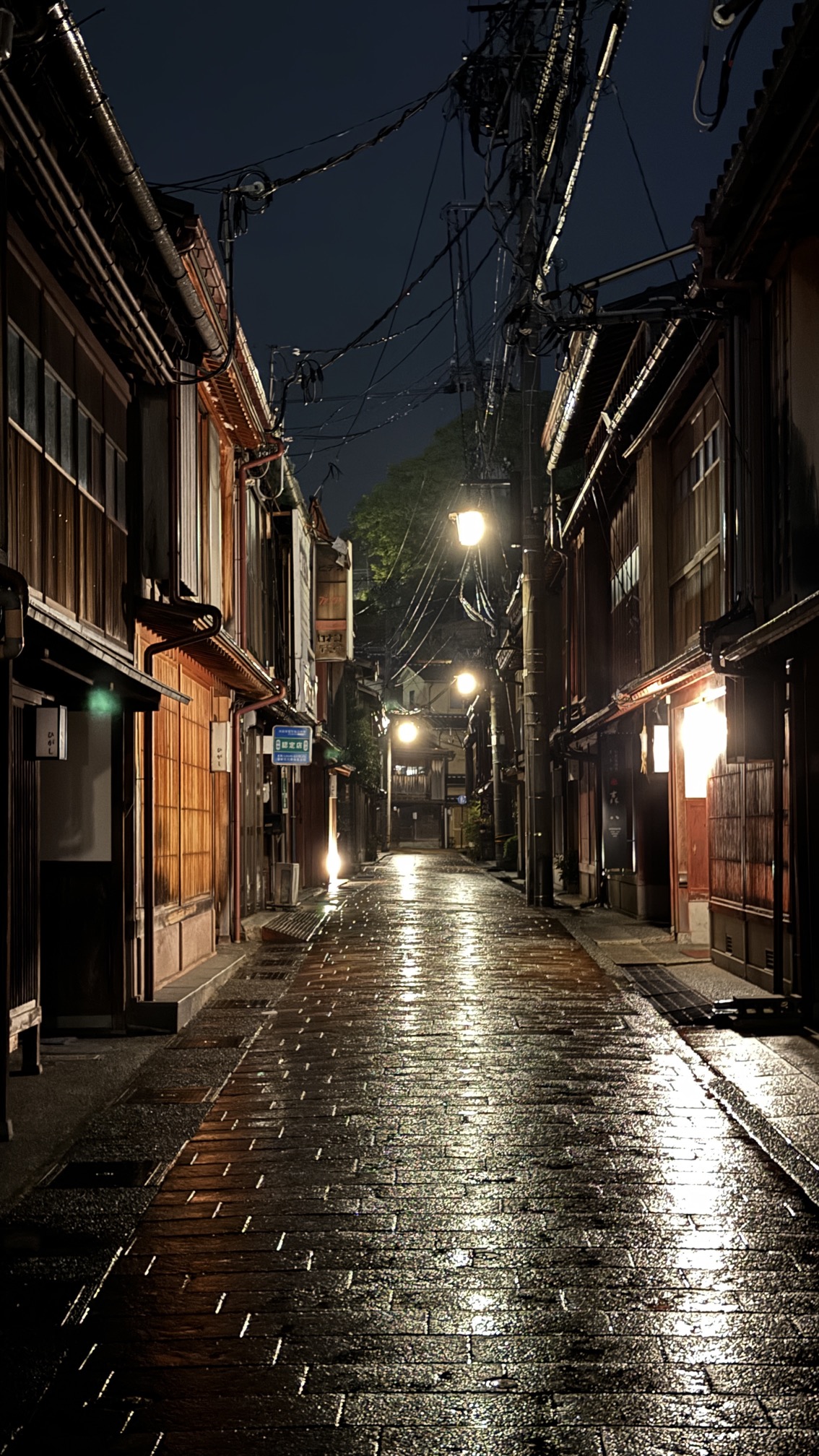
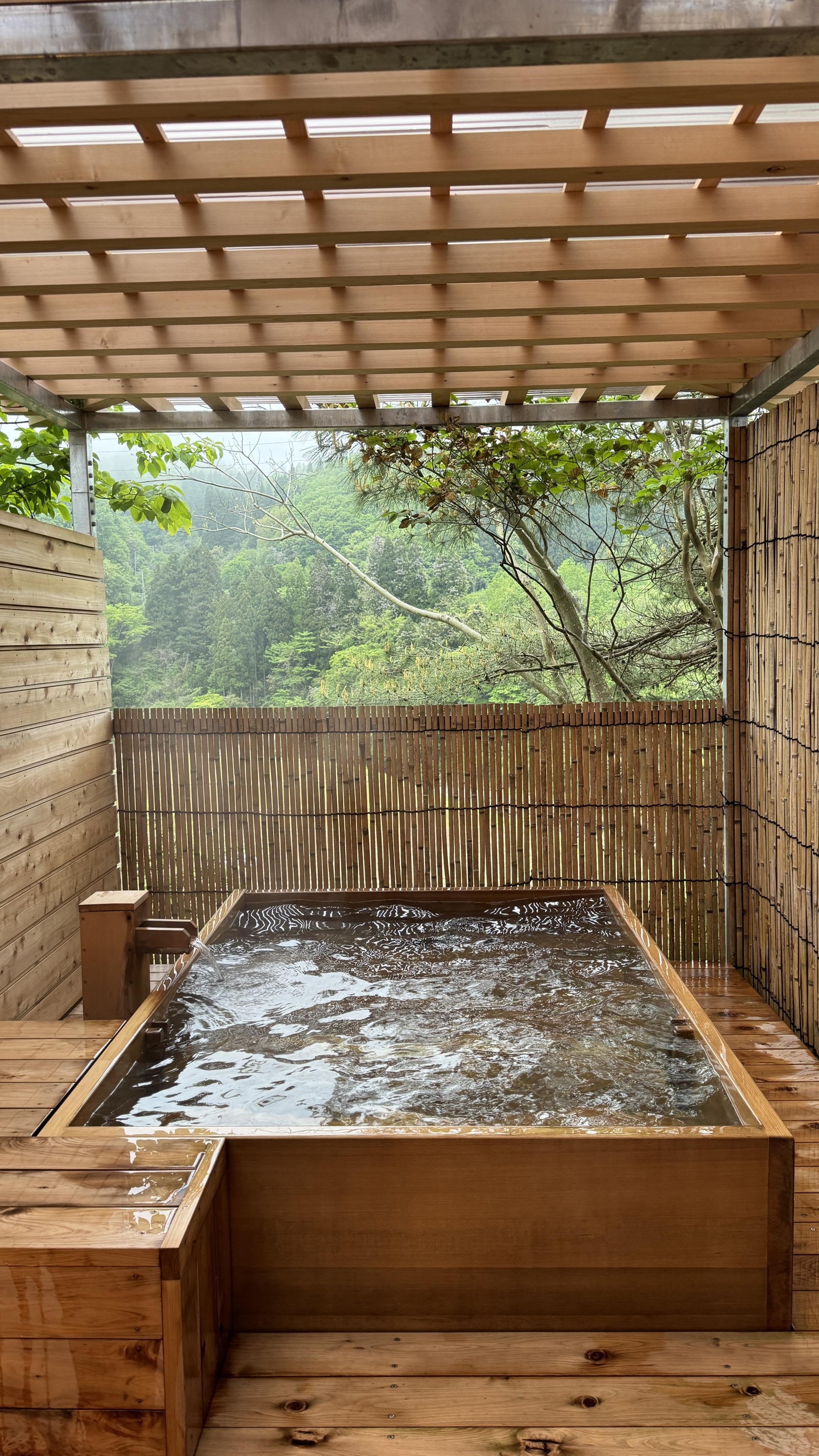
Kanazawa was the surprise pick of the trip. Less touristy than Kyoto, just as steeped in history, and quietly luxurious. We stayed at a ryokan with a private onsen — the kind of bath where the temperature alone resets your nervous system — and spent the days walking through the old geisha and samurai districts.
The Kanazawa moments
- Higashi Chaya District — Wooden teahouses, gold leaf shops, fewer crowds.
- Kanazawa Castle & Kenroku-en Garden — One of Japan''s "three great gardens," and it earns the title.
- Nomura Samurai House — A small museum that punches well above its size.
- Mountain onsen — Worth the detour from the city centre.
What we loved: The pace. Kyoto is a museum; Kanazawa is a neighbourhood you could happily live in.
The Japanese Alps · Days 7–10
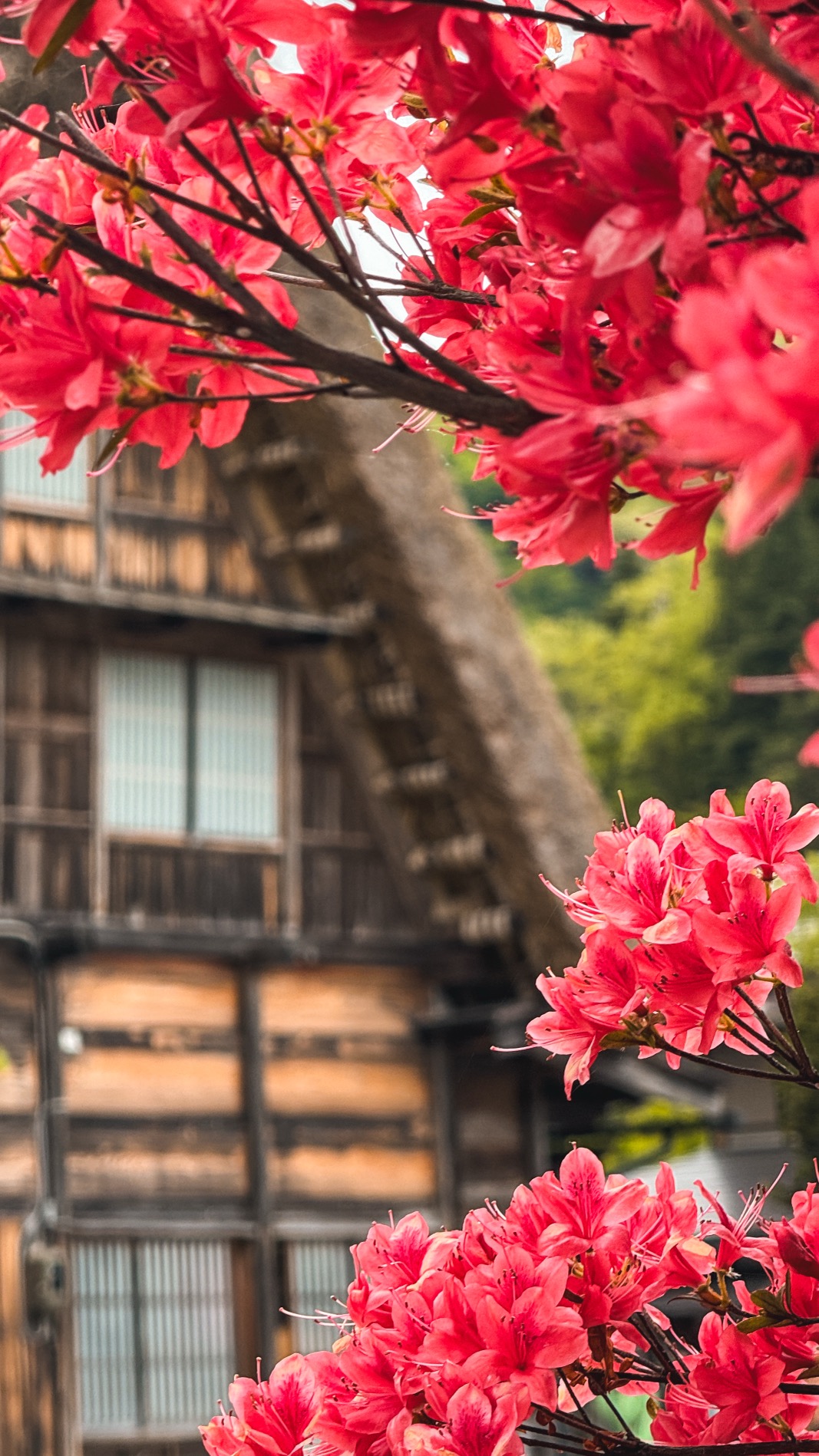
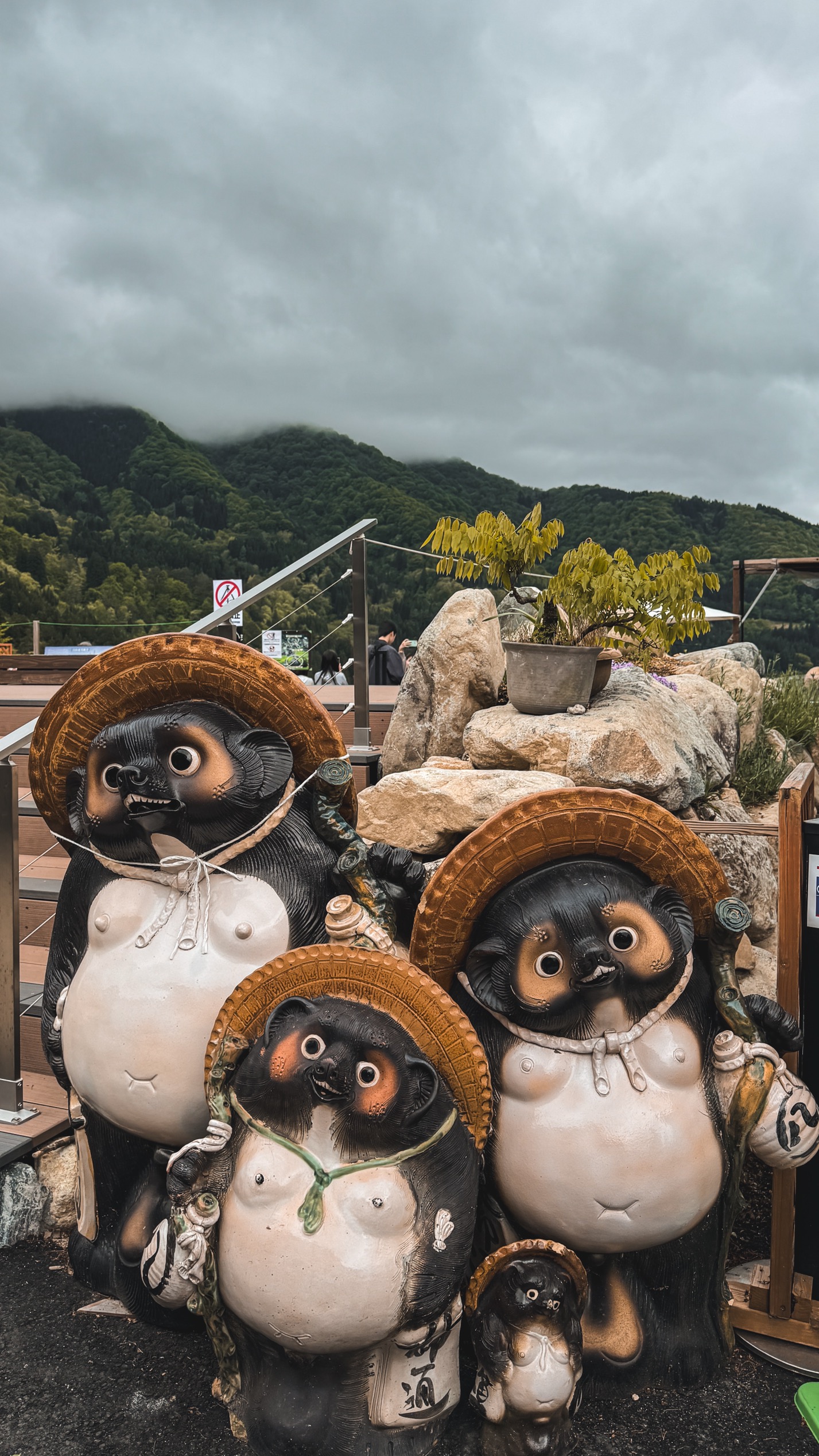
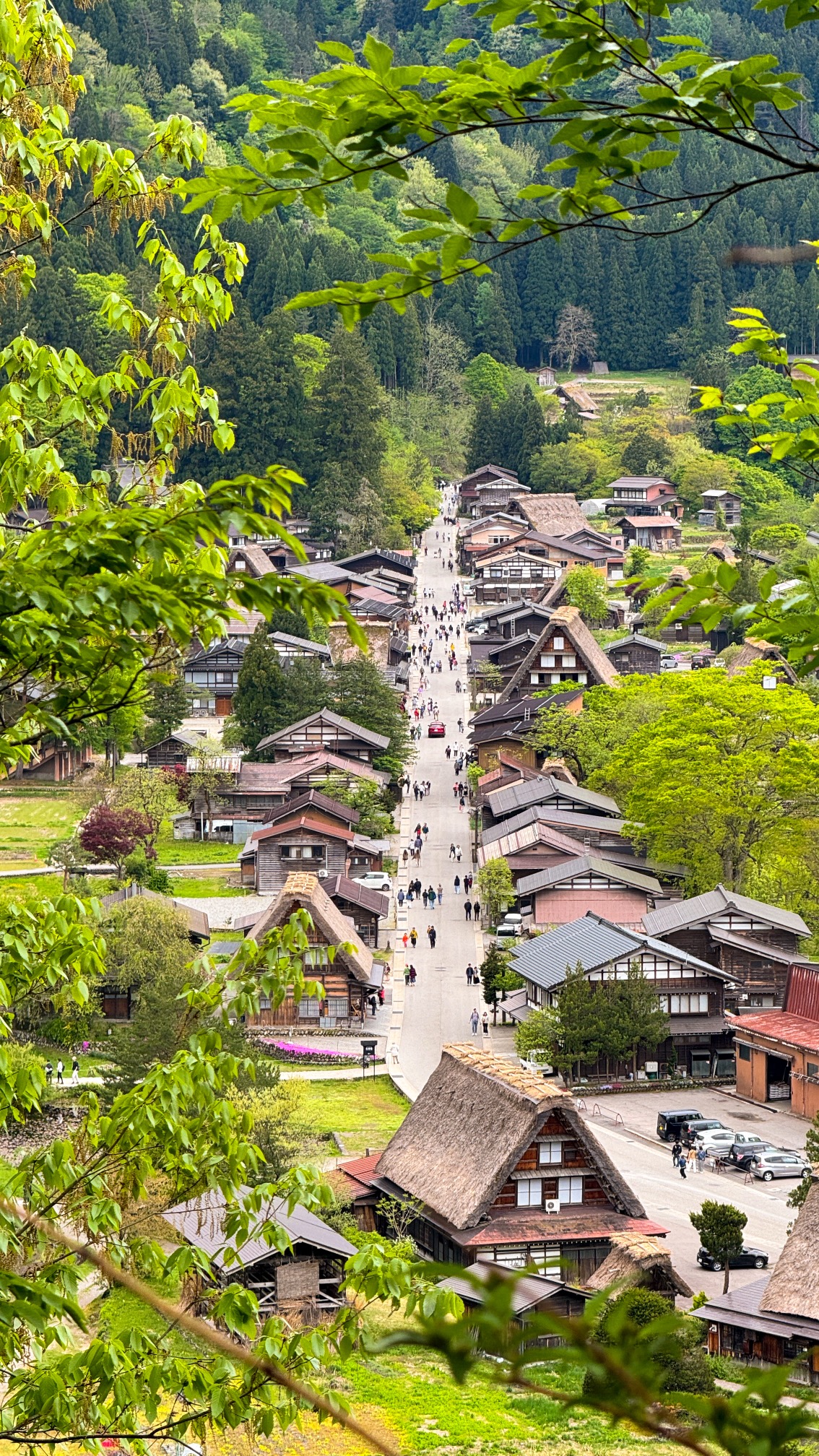
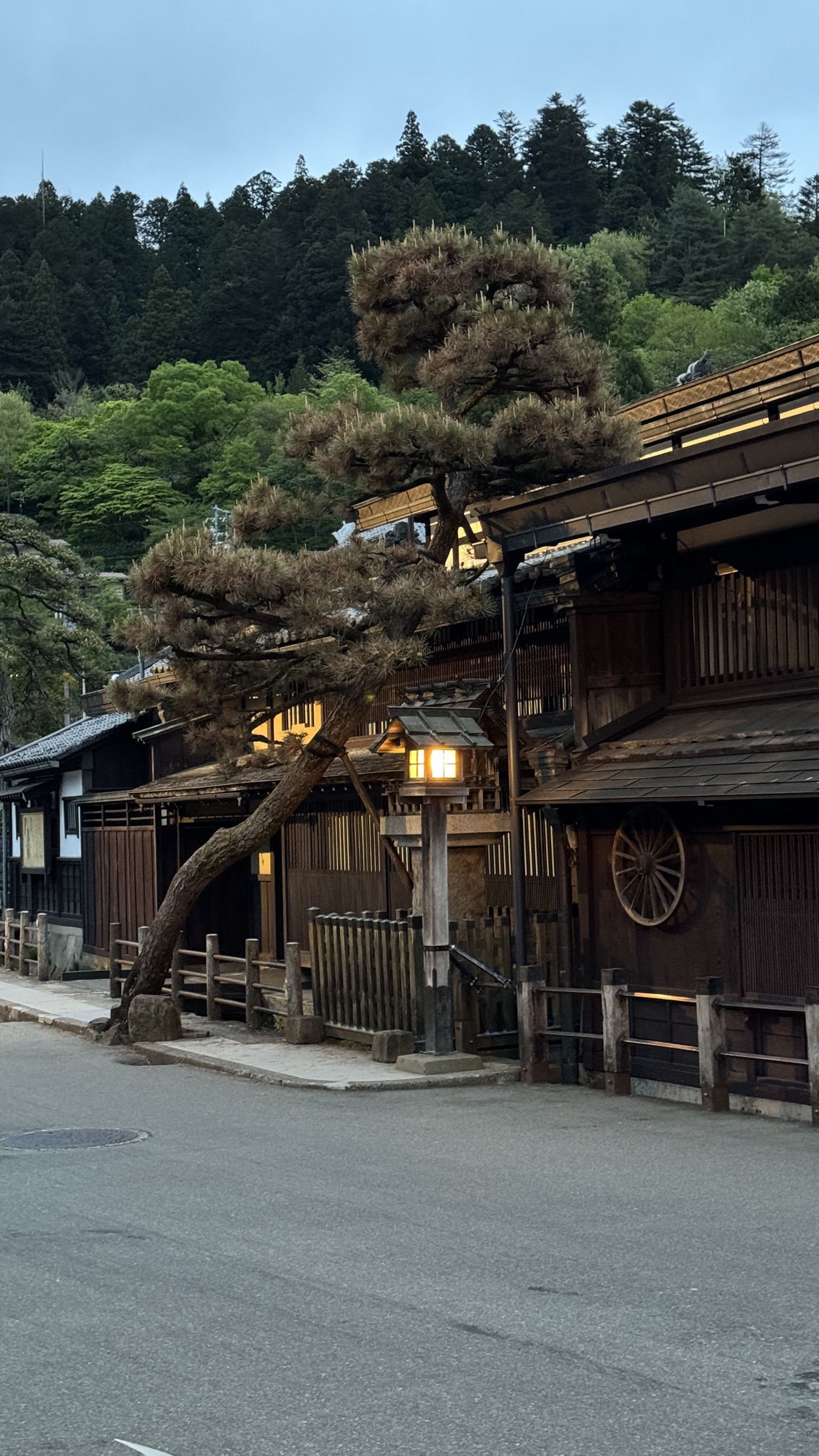
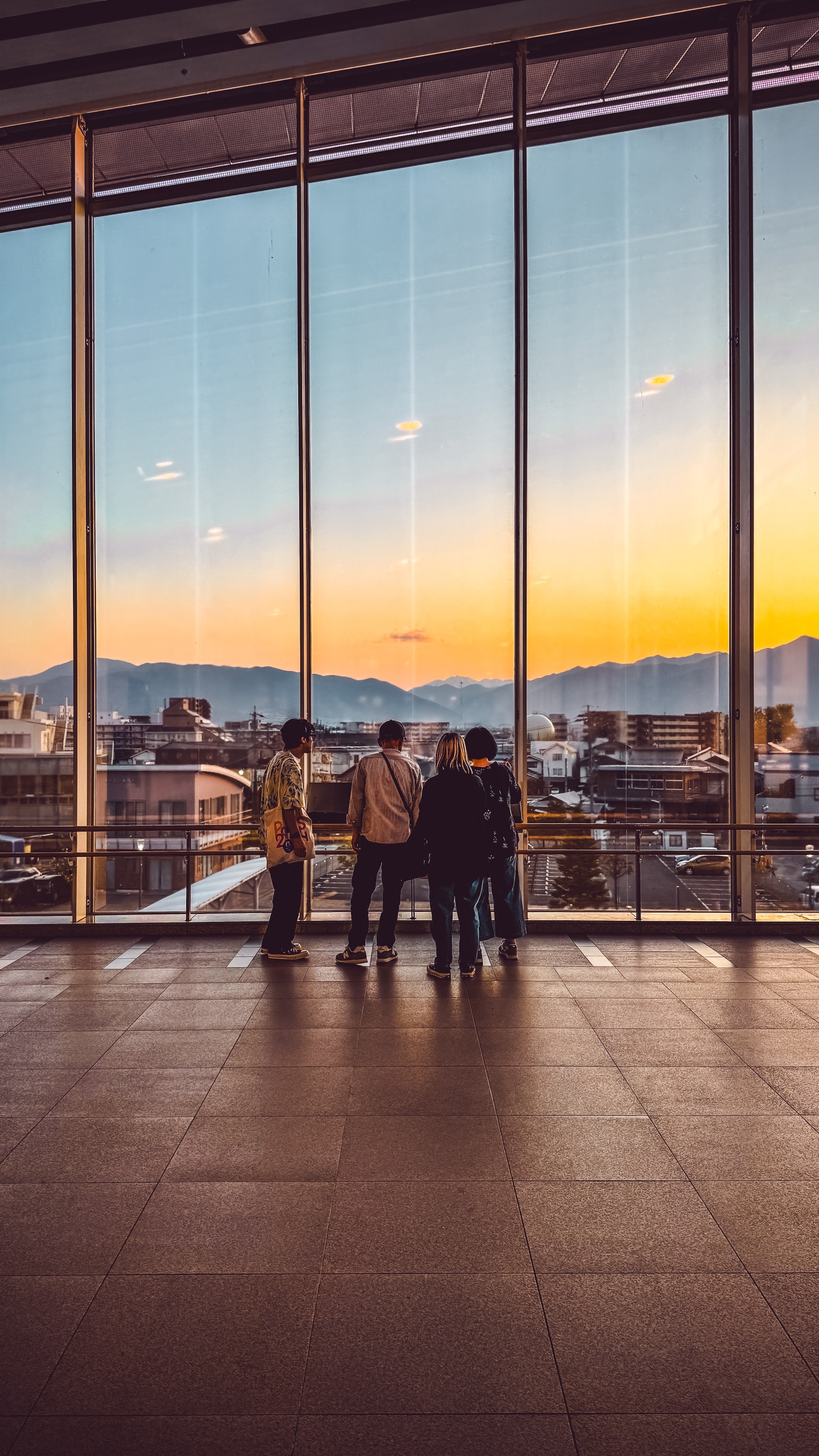
Shirakawa-go: a UNESCO village still living its life
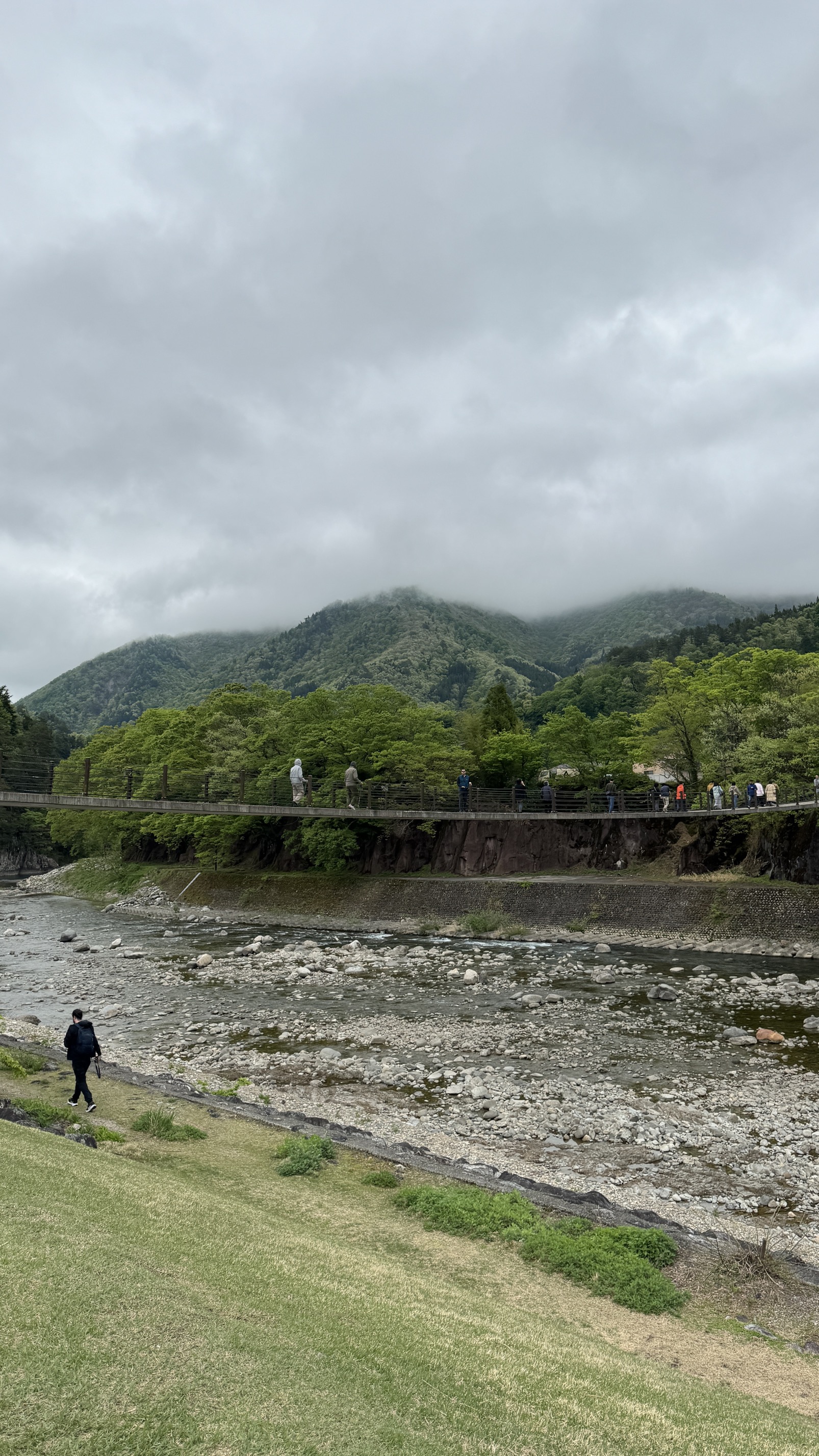
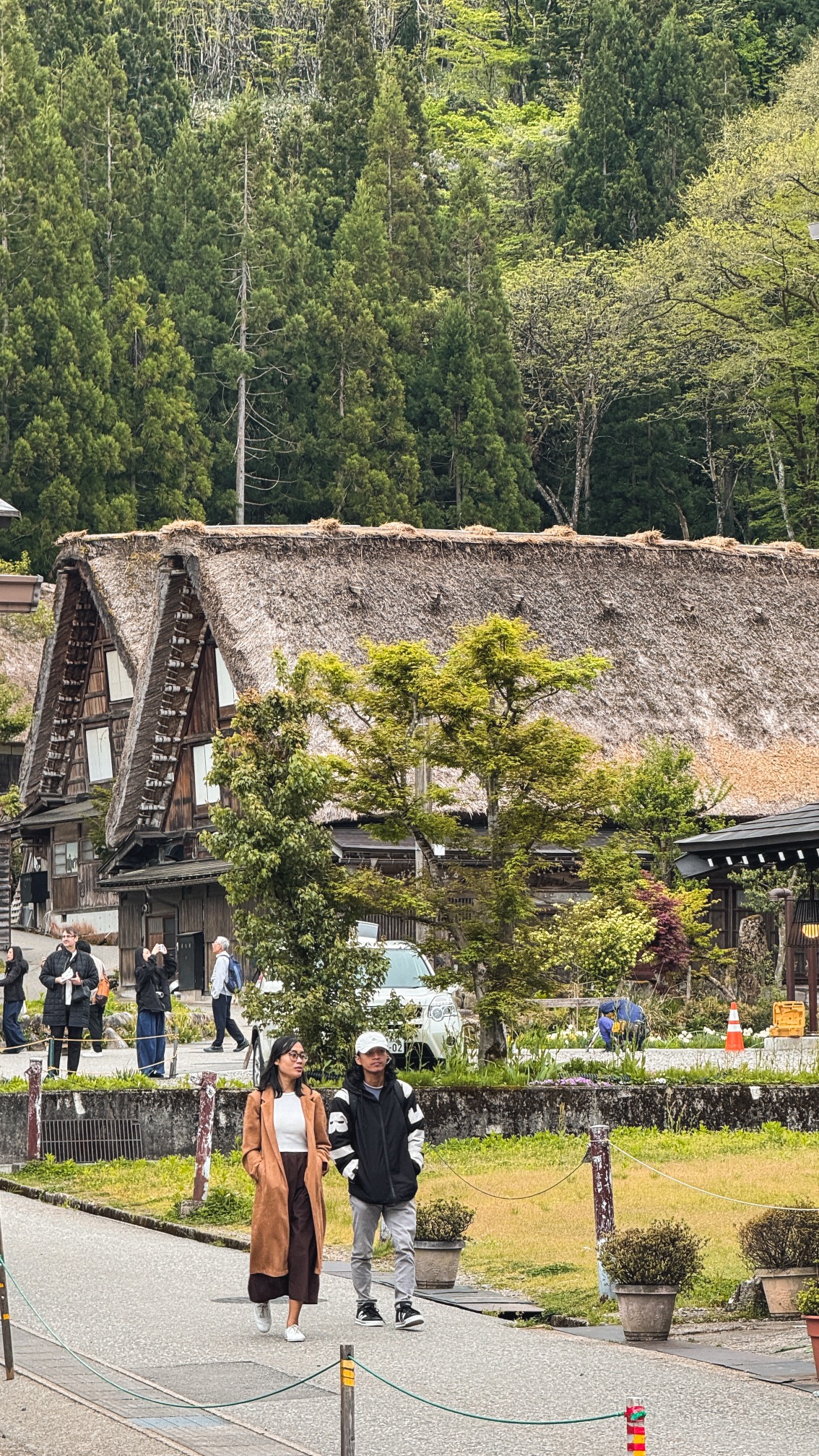
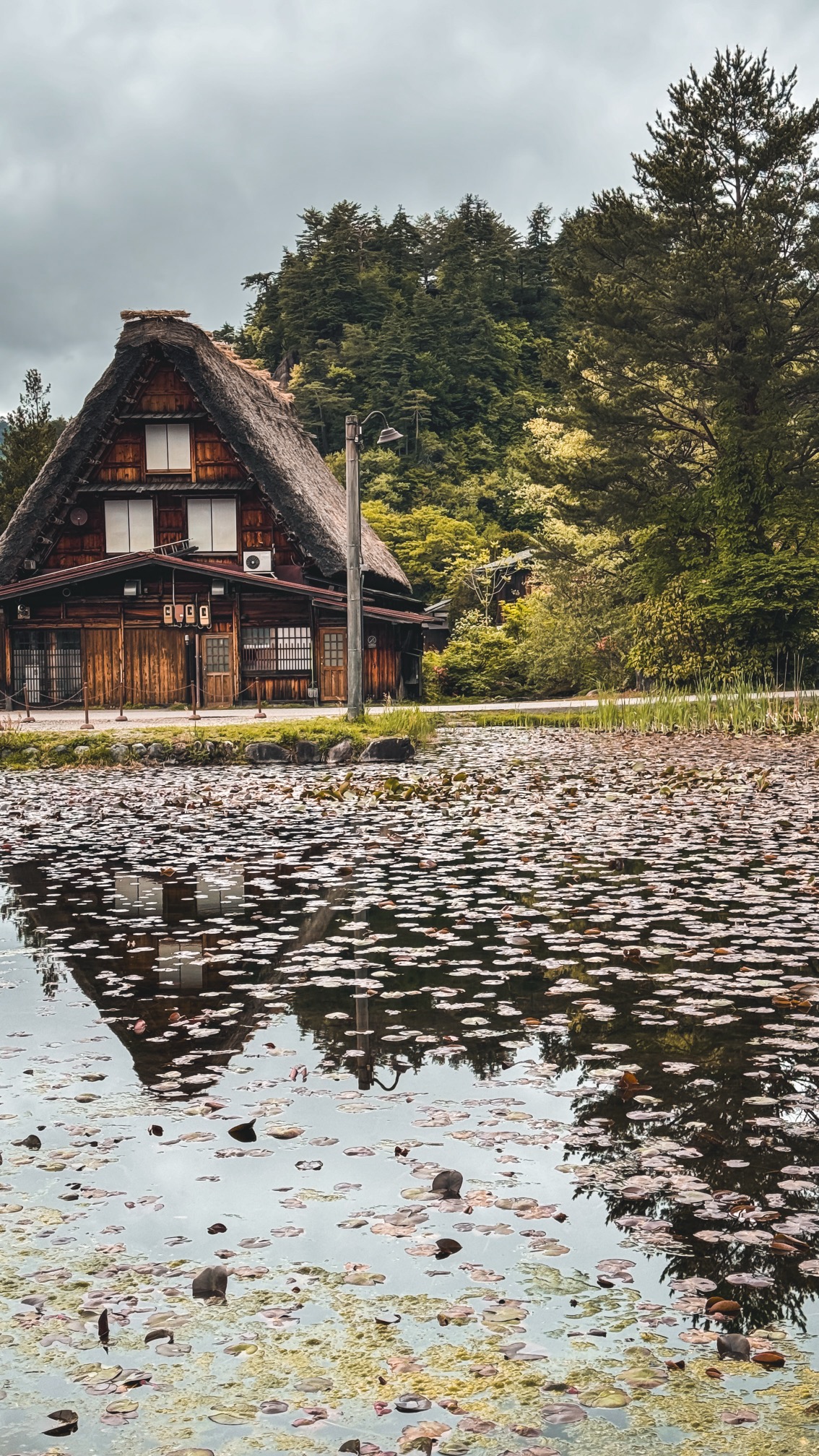
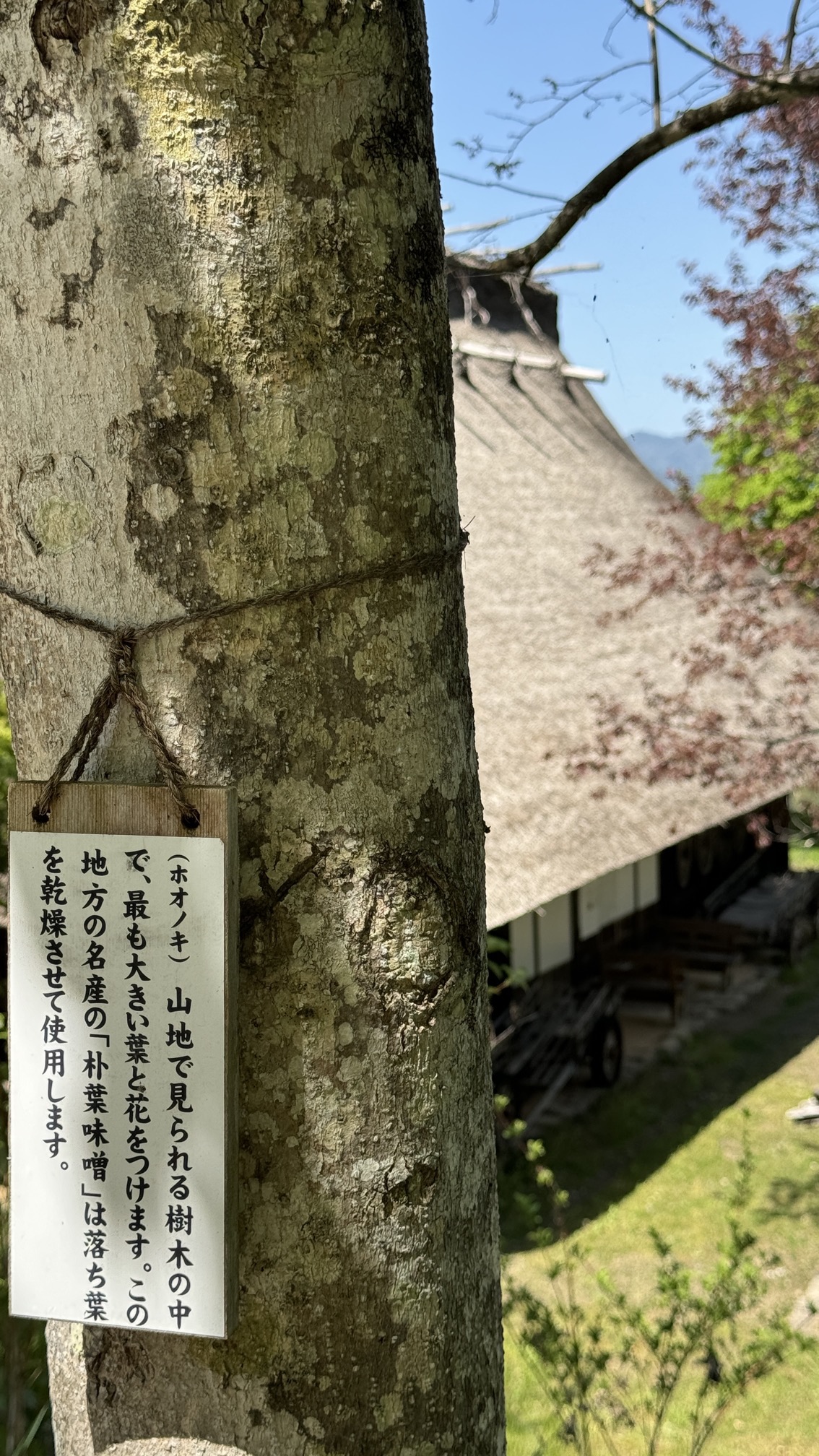
Walking into Shirakawa-go felt like stepping into a working museum. The gassho-zukuri farmhouses — thatched roofs shaped like hands in prayer — stood in the morning mist between terraced rice paddies. UNESCO-protected since 1995, but absolutely not staged. We stayed in a traditional farmhouse inn and woke to the sound of mountain water.
Takayama: 300-year-old streets, fresh sake
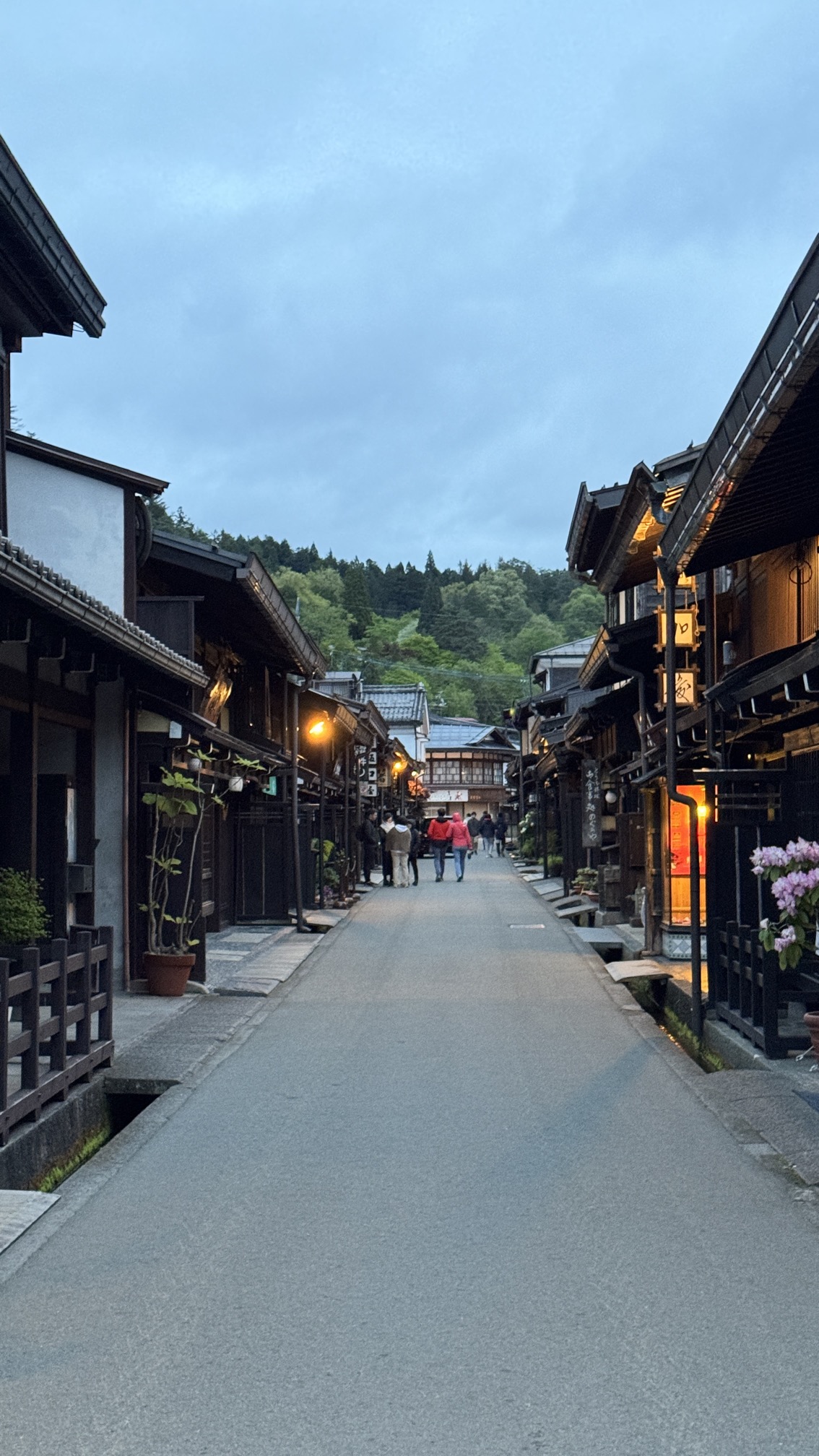
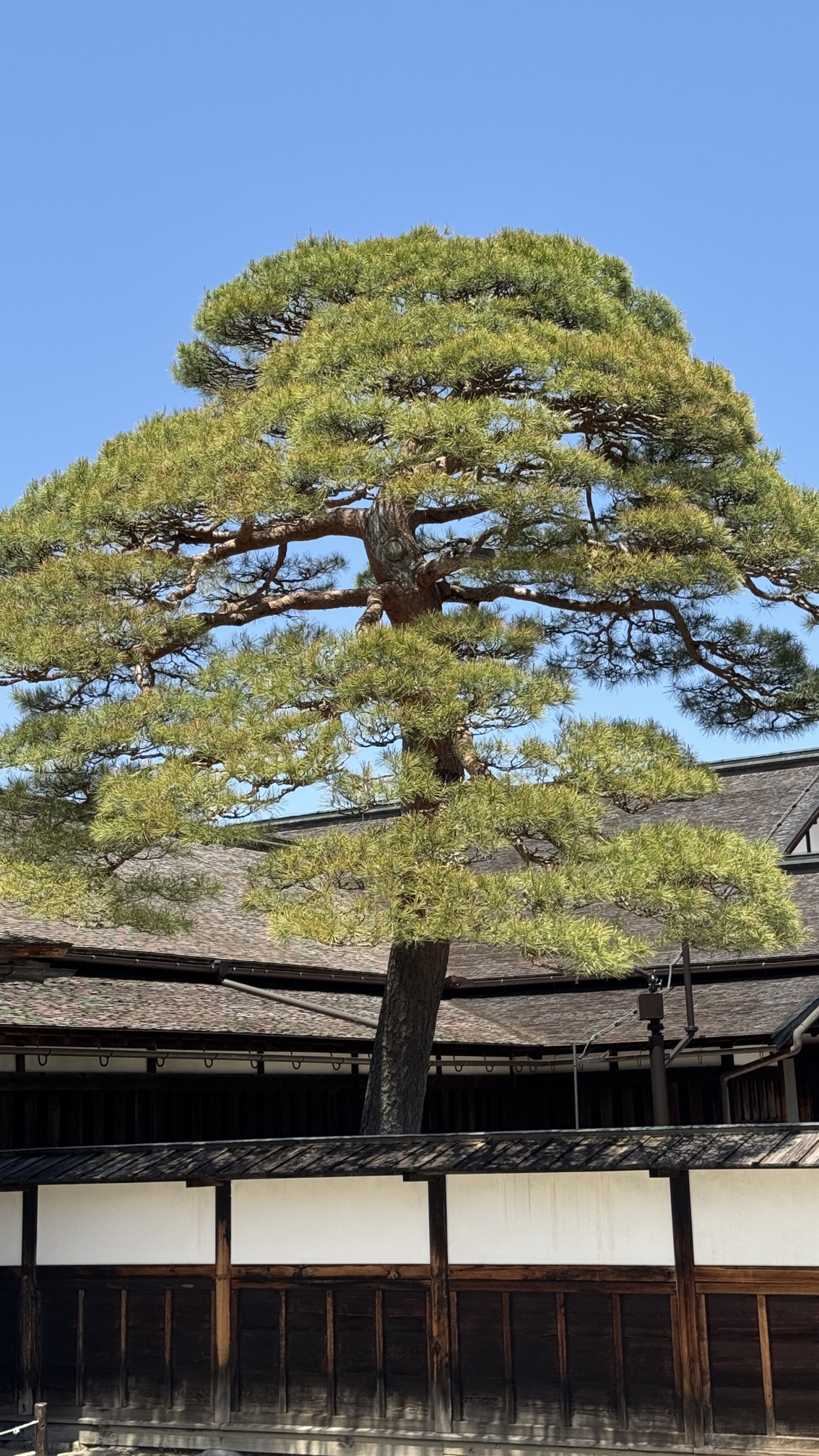
From Shirakawa-go we drove to Takayama. Wooden merchant houses that haven''t changed in three centuries, morning markets full of mountain vegetables and pickles, and sake breweries you can taste your way through. We got happily lost in the side streets.
Kamikochi: alpine reset
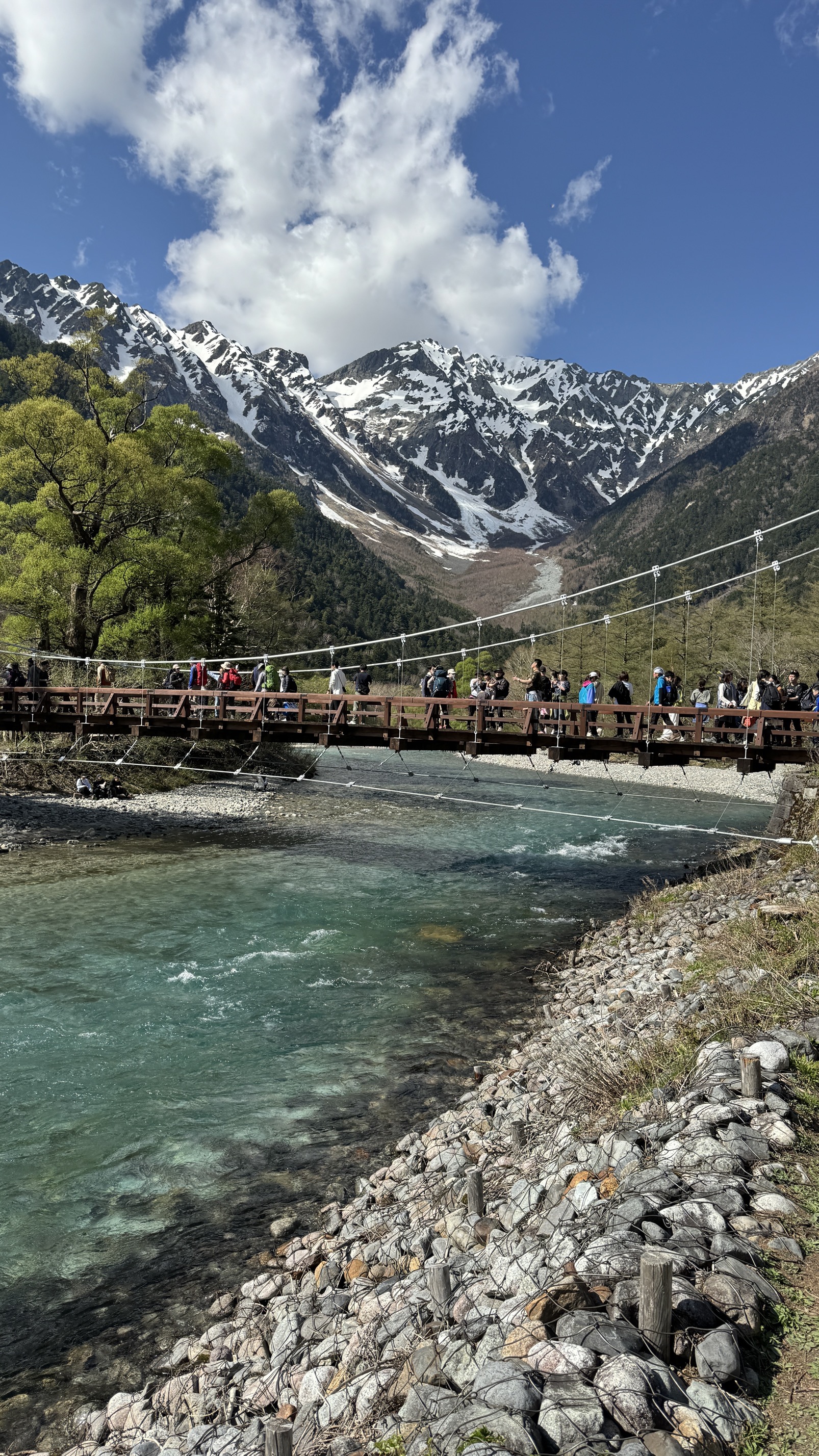
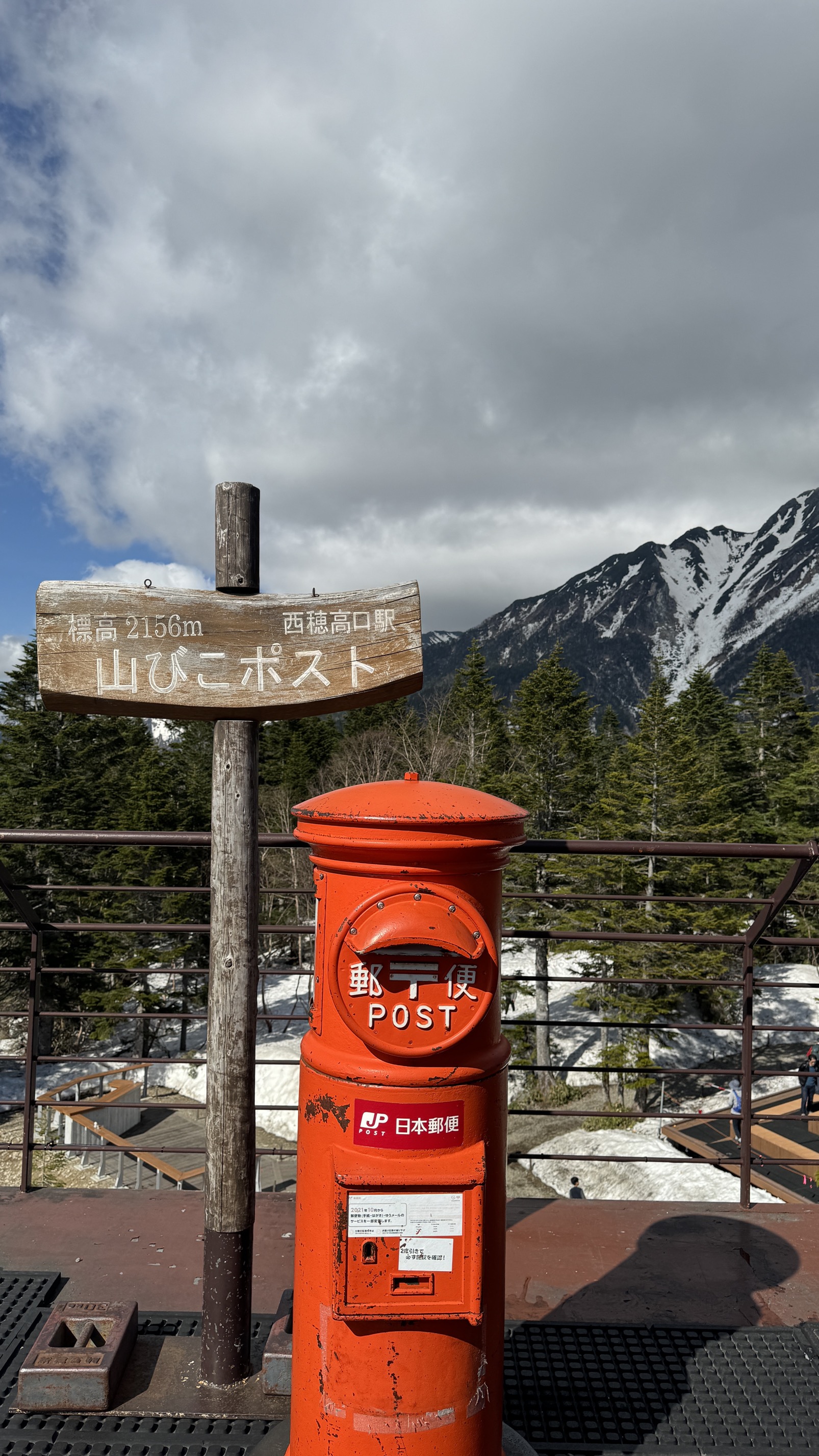
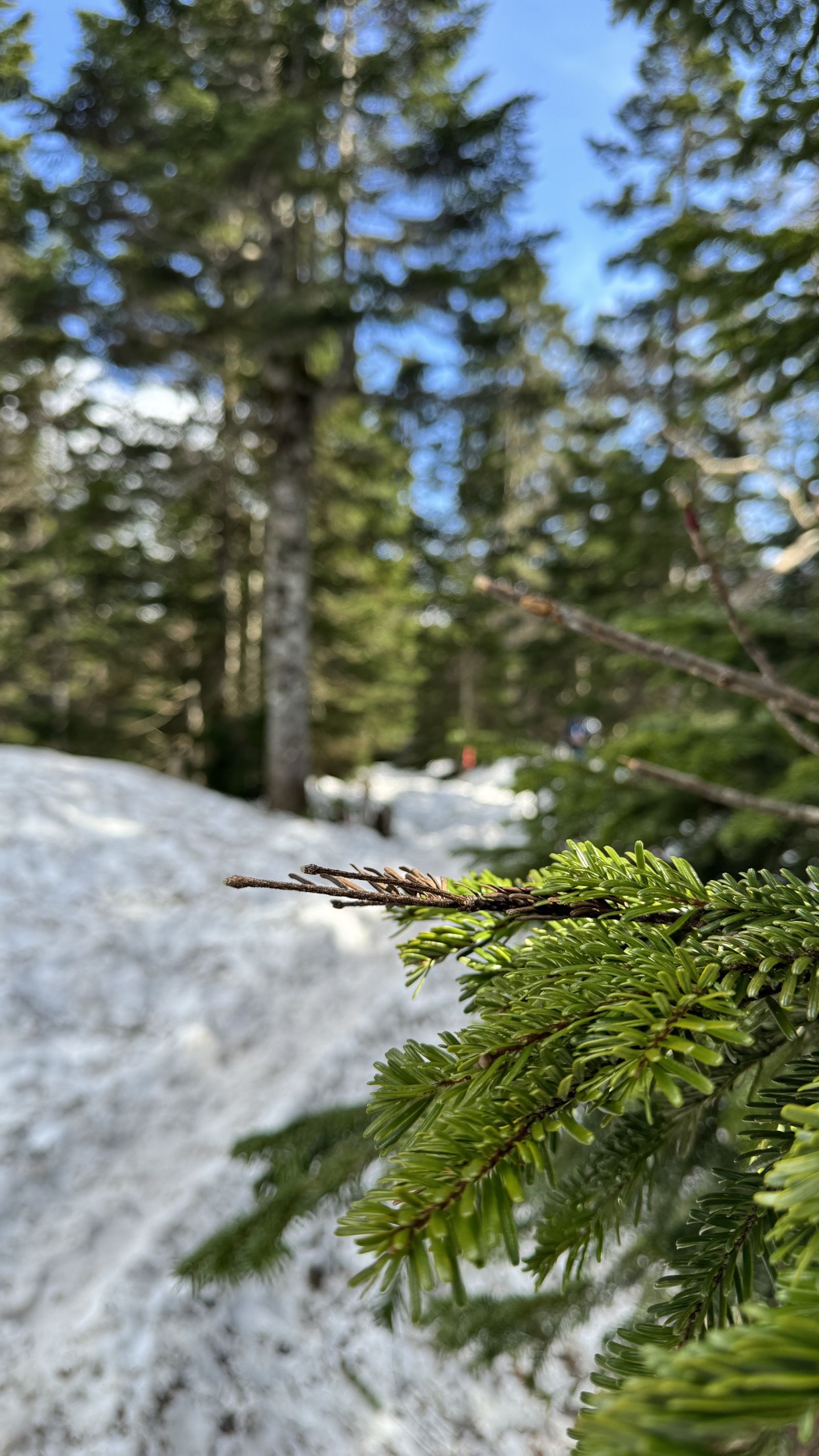
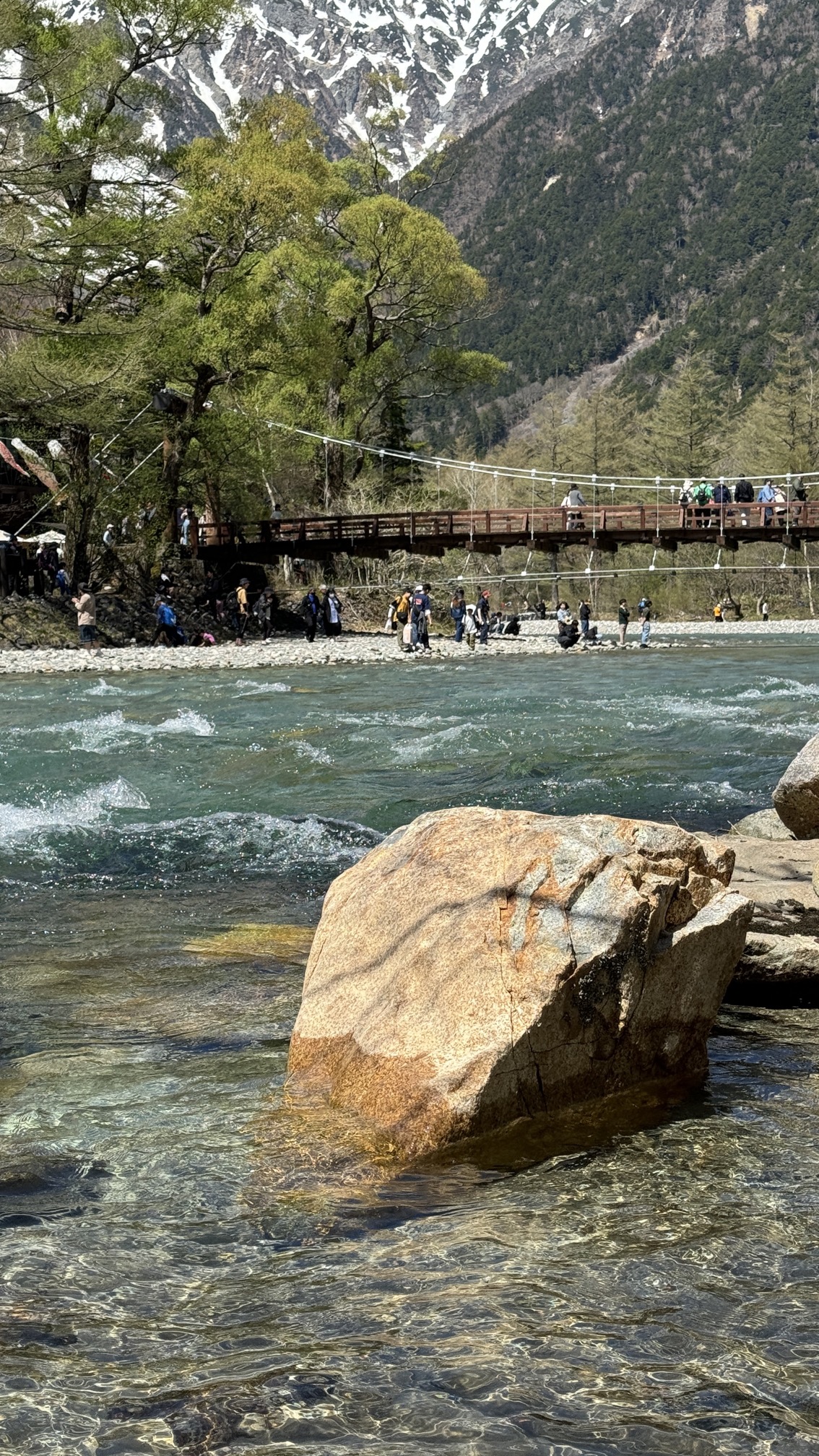
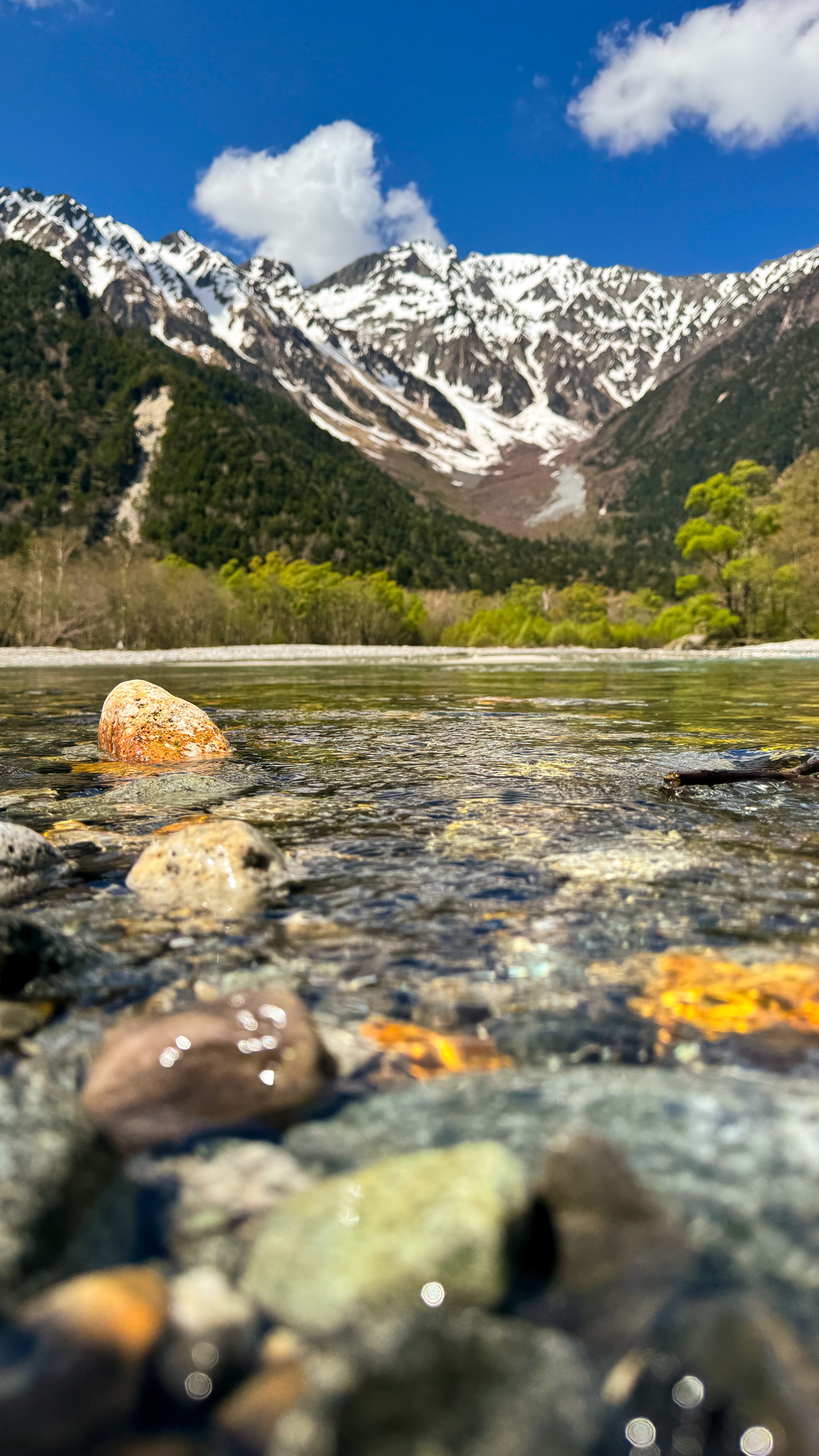
Then Kamikochi. From preserved villages straight into raw wilderness — mountain streams, beech forests, snow on the peaks. Our hiking group split: some took the high pass, others did the gentle valley walks. The mountain air felt clean enough to drink. In the evening we soaked in an outdoor onsen with the valley dropping away below us.
Alps highlights
- Shirakawa-go UNESCO Village
- Takayama Old Town & morning markets
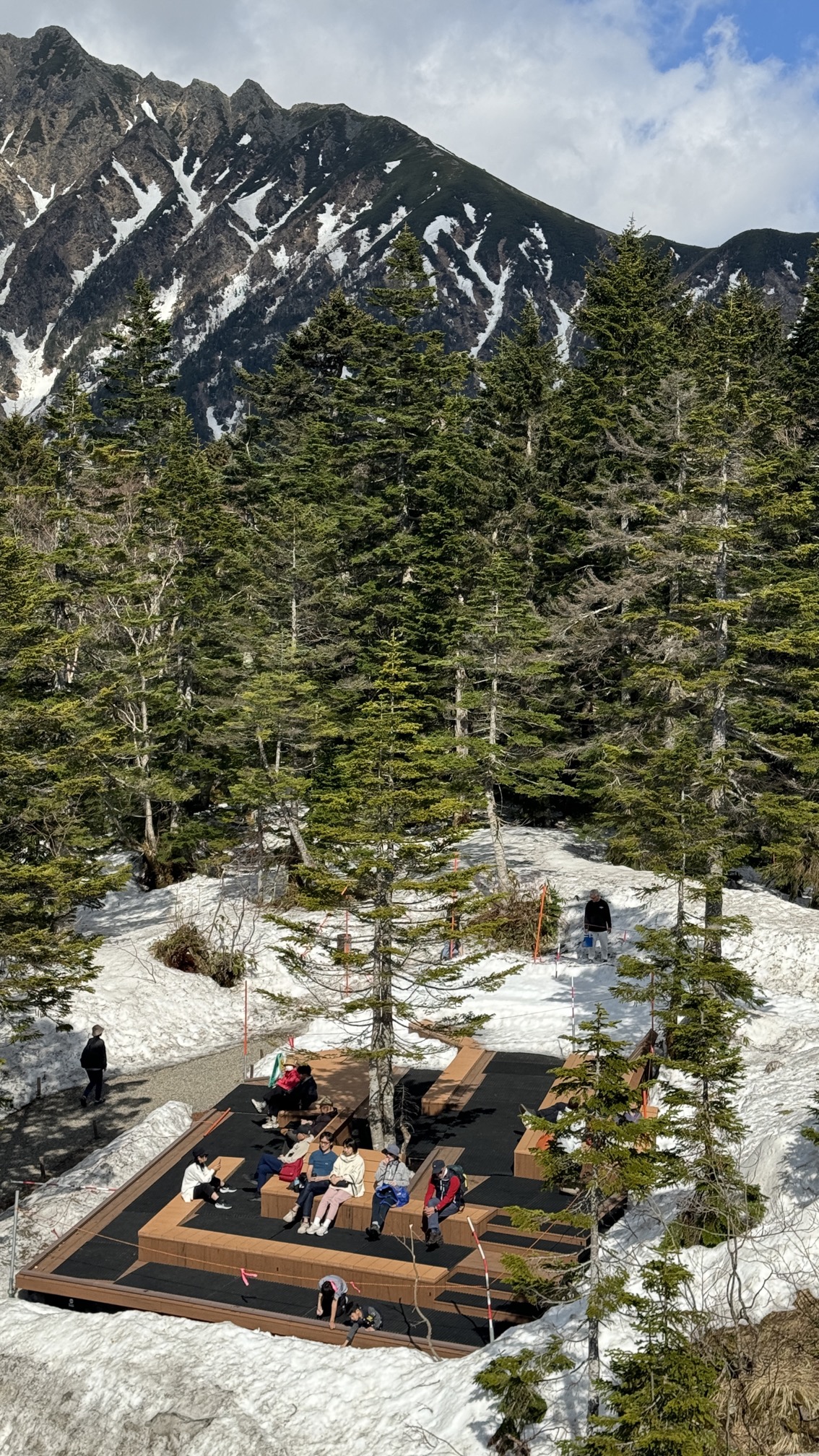
- Shinhotaka Ropeway — Cable car up to a snow-covered alpine deck.
- Kamikochi valley — Easy walks to Kappa Bridge, harder routes for the keen.
- Matsumoto Castle — Worth the half-day detour.
What we loved: This was the stretch where the trip changed gears. Less city checklist, more landscape.
Tips for the Alps leg
- ✓ Rent a car for this section — public transport works but eats your time.
- ✓ Pack layers; mountain weather flips fast even in May.
- ✓ Book farmhouse stays in Shirakawa-go months out — there aren''t many rooms.
- ✓ A "ryokan night" is a non-negotiable: tatami, kaiseki dinner, futon, onsen.
Hokkaido · Days 11–14
Sapporo: gateway with soul
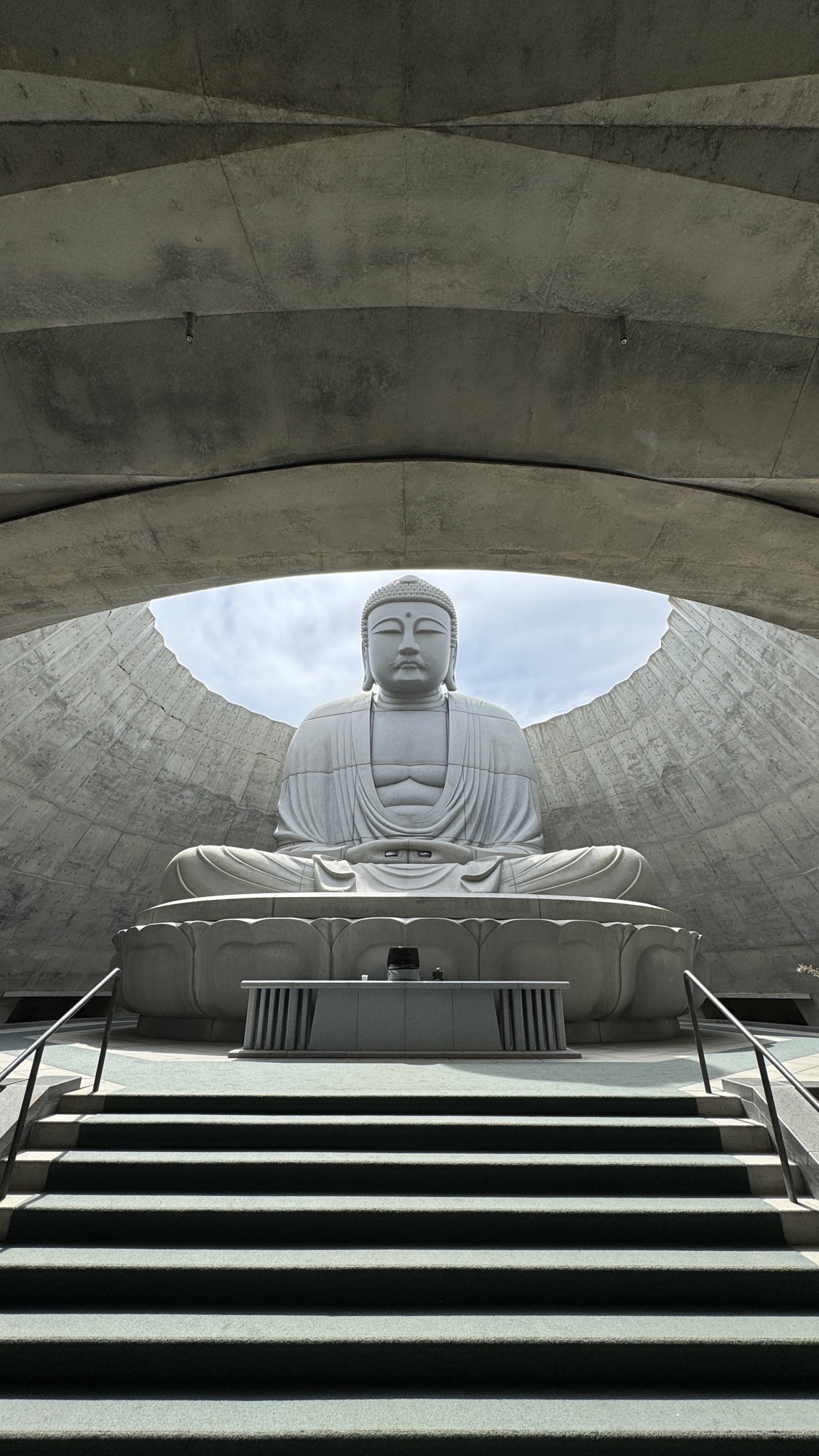
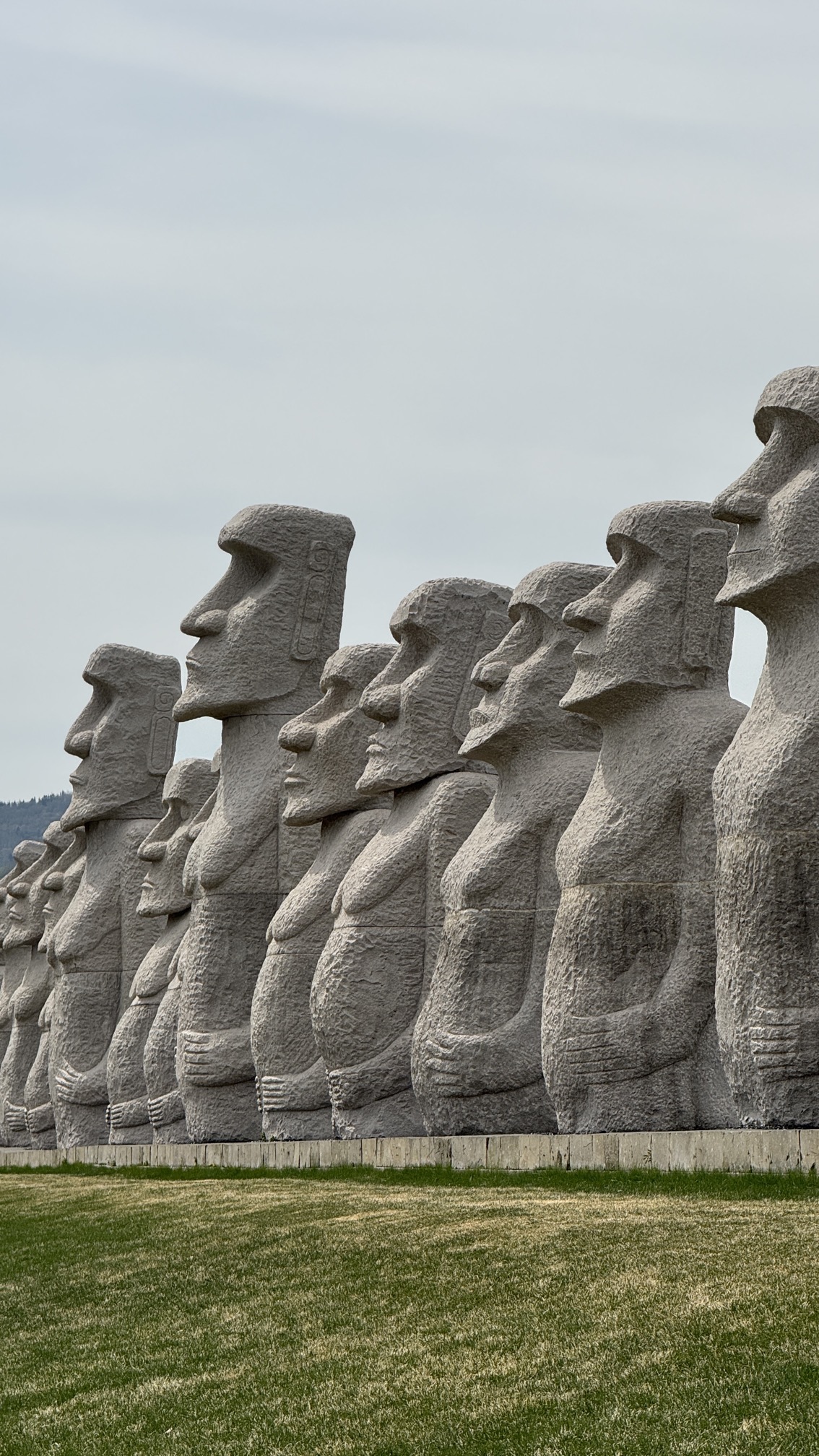
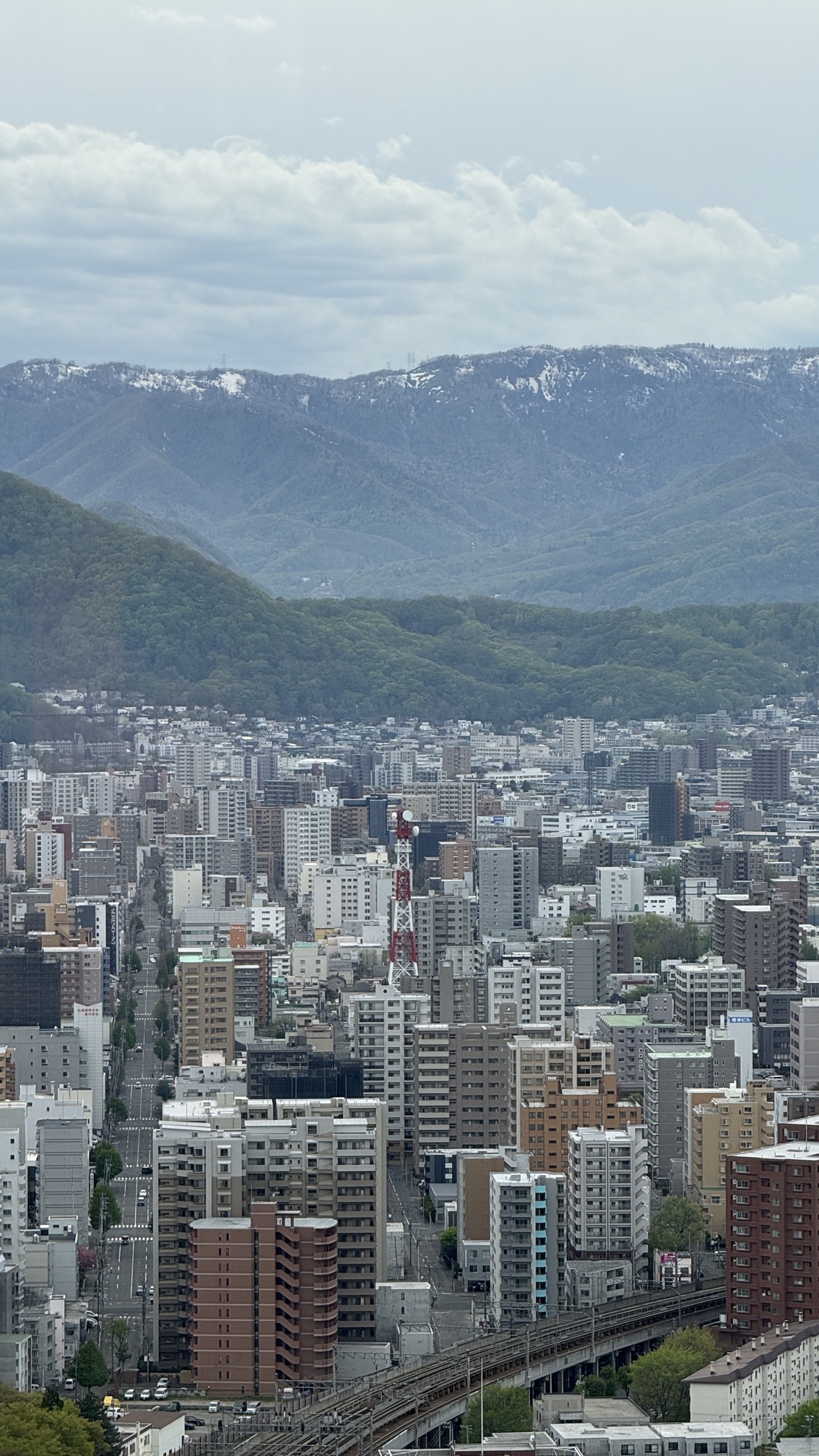
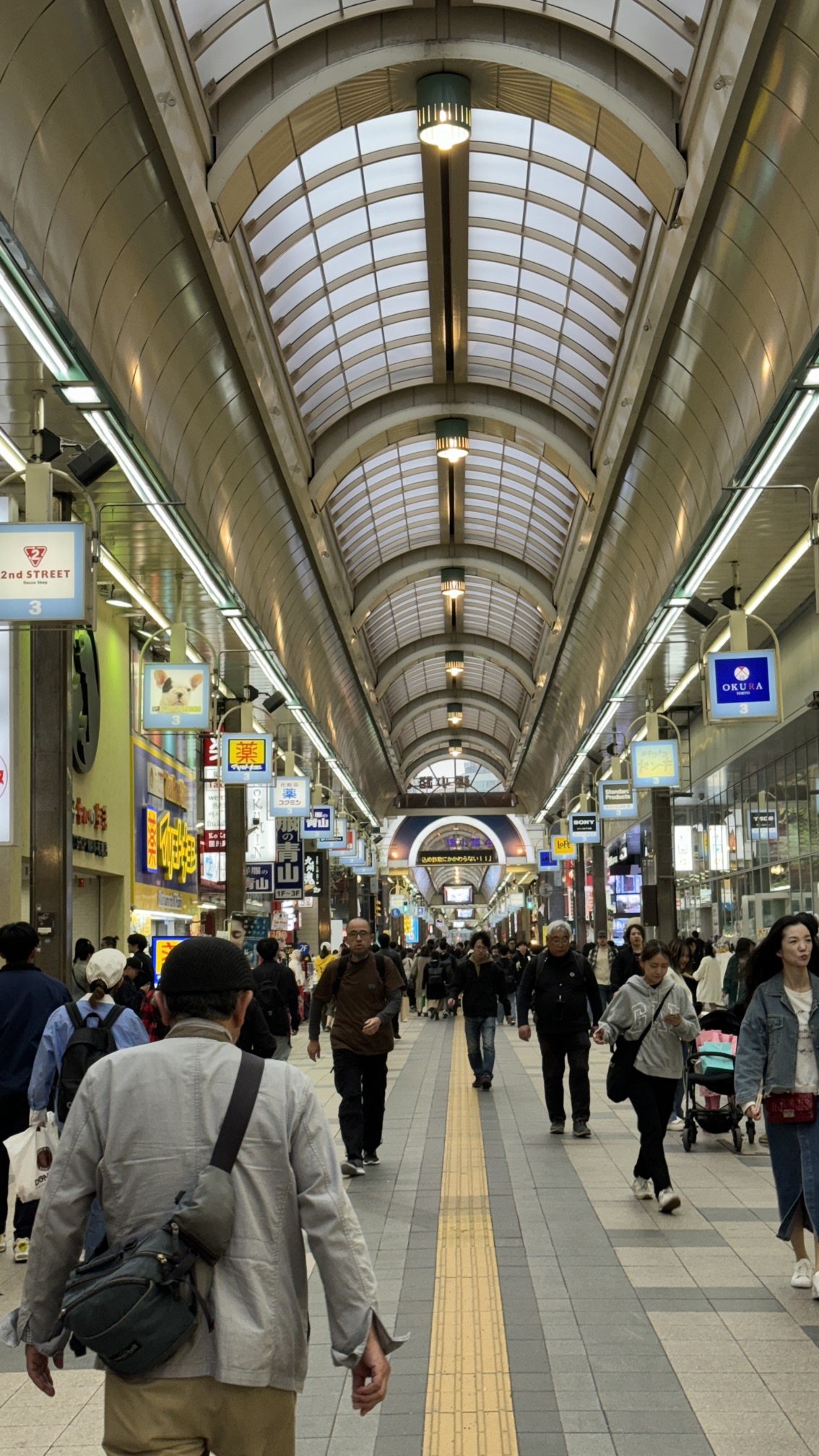
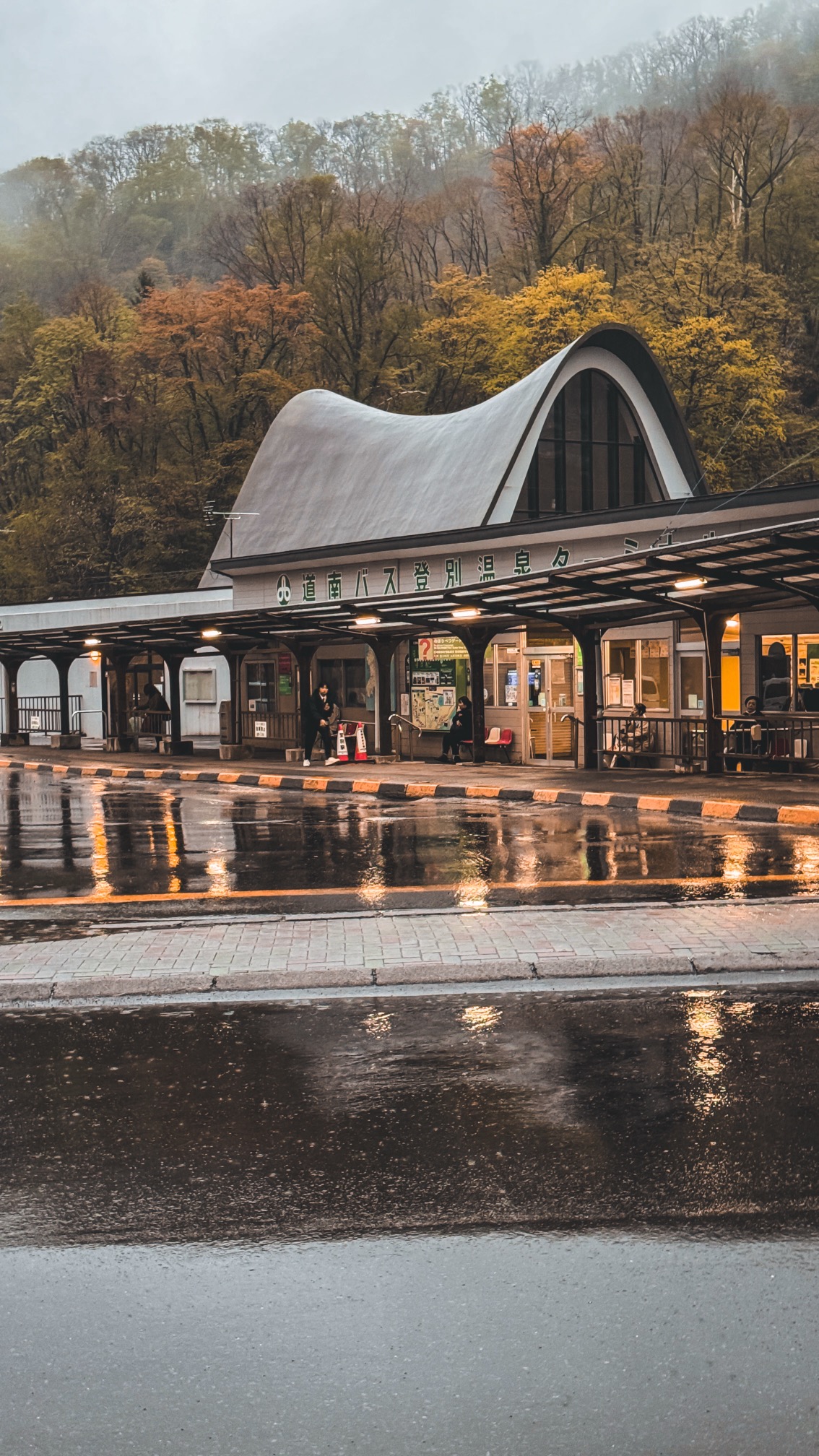
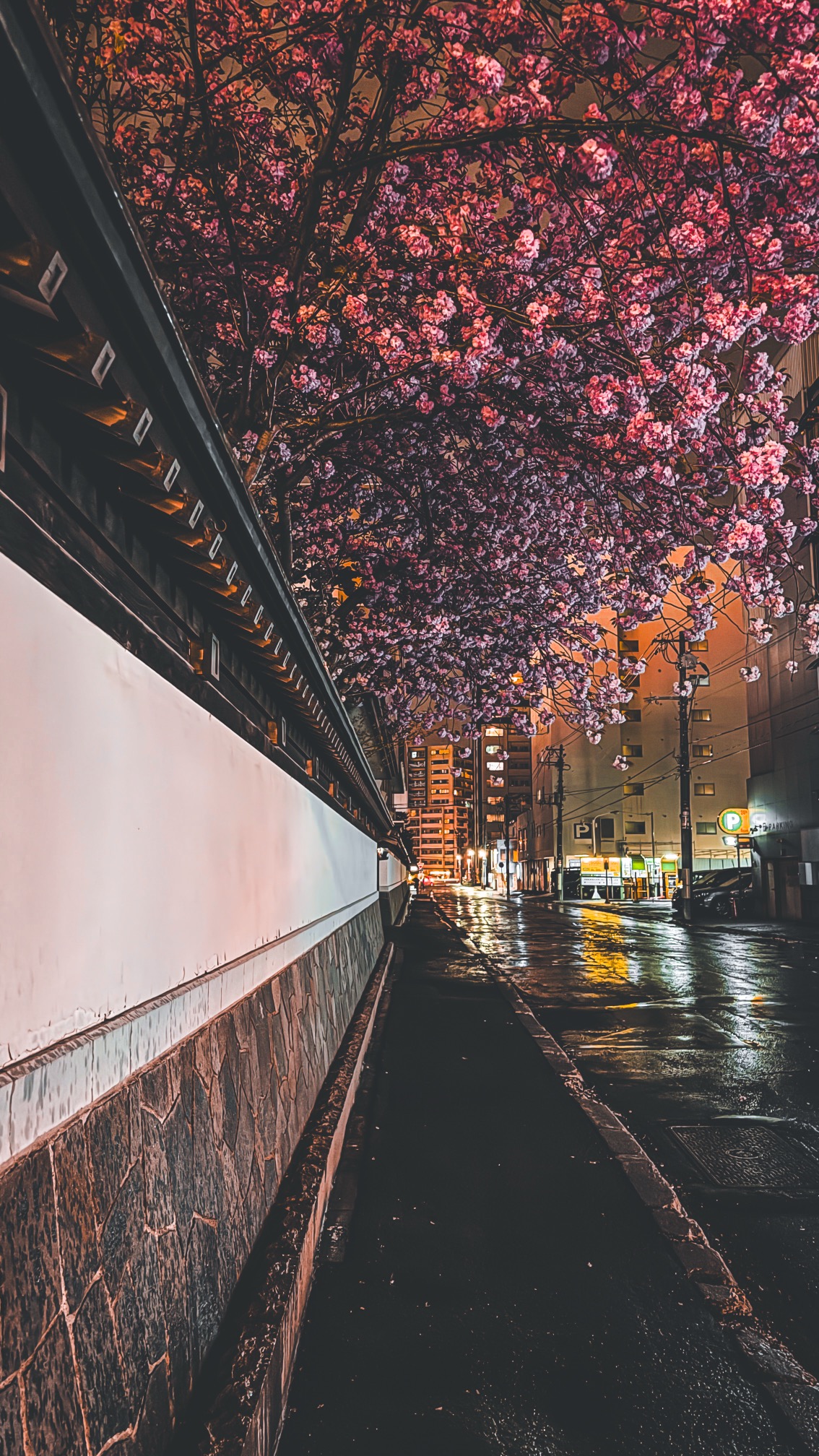
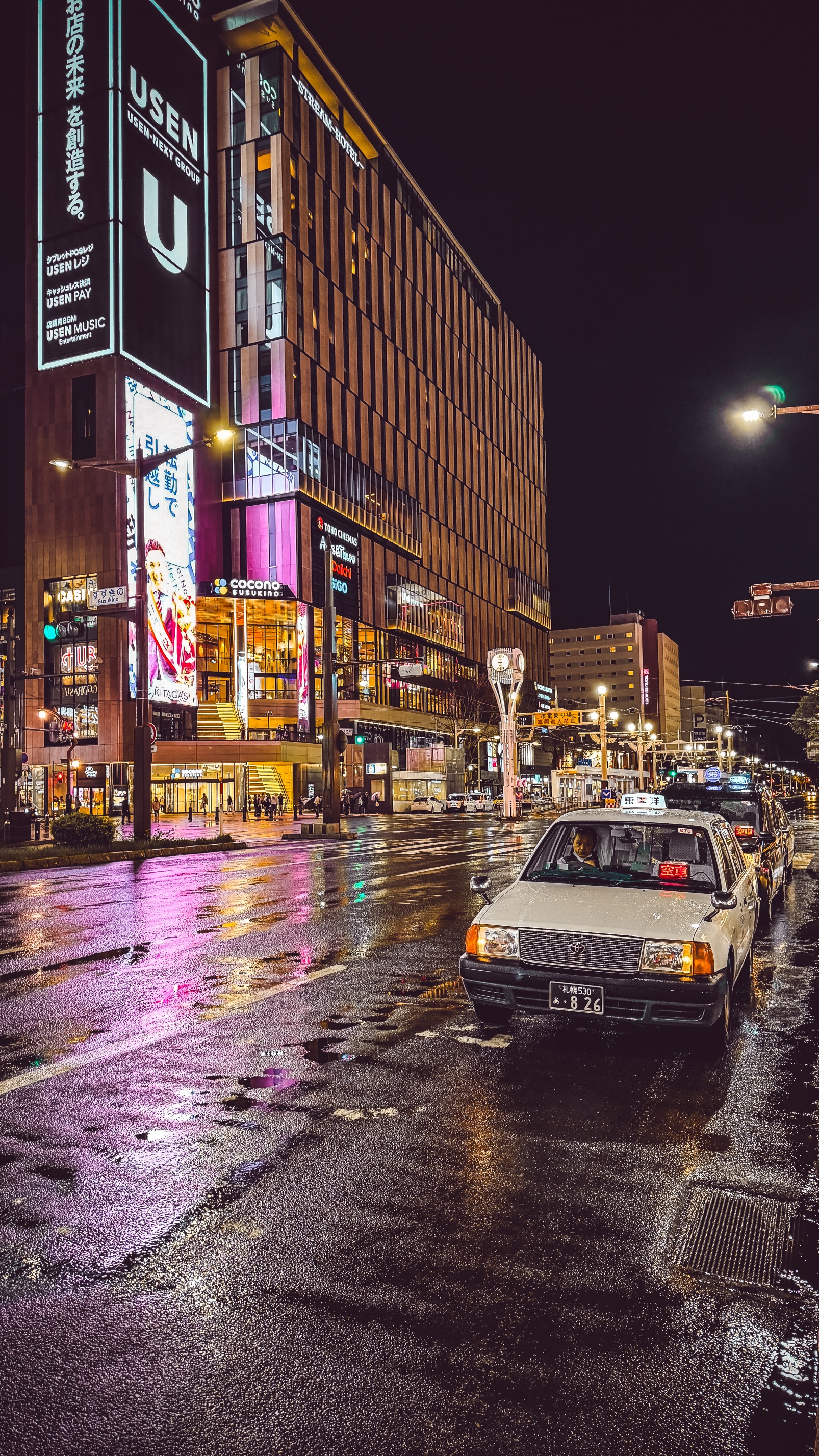
After two weeks in temples and mountains, Sapporo felt like surfacing for air — but a city with edges that still feel curated. Wide boulevards, miso ramen restaurants worth queuing for, and the strange contemplative beauty of the Makomanai Takino cemetery (yes, a cemetery; yes, designed by Tadao Ando).
Unkai: the morning we still talk about
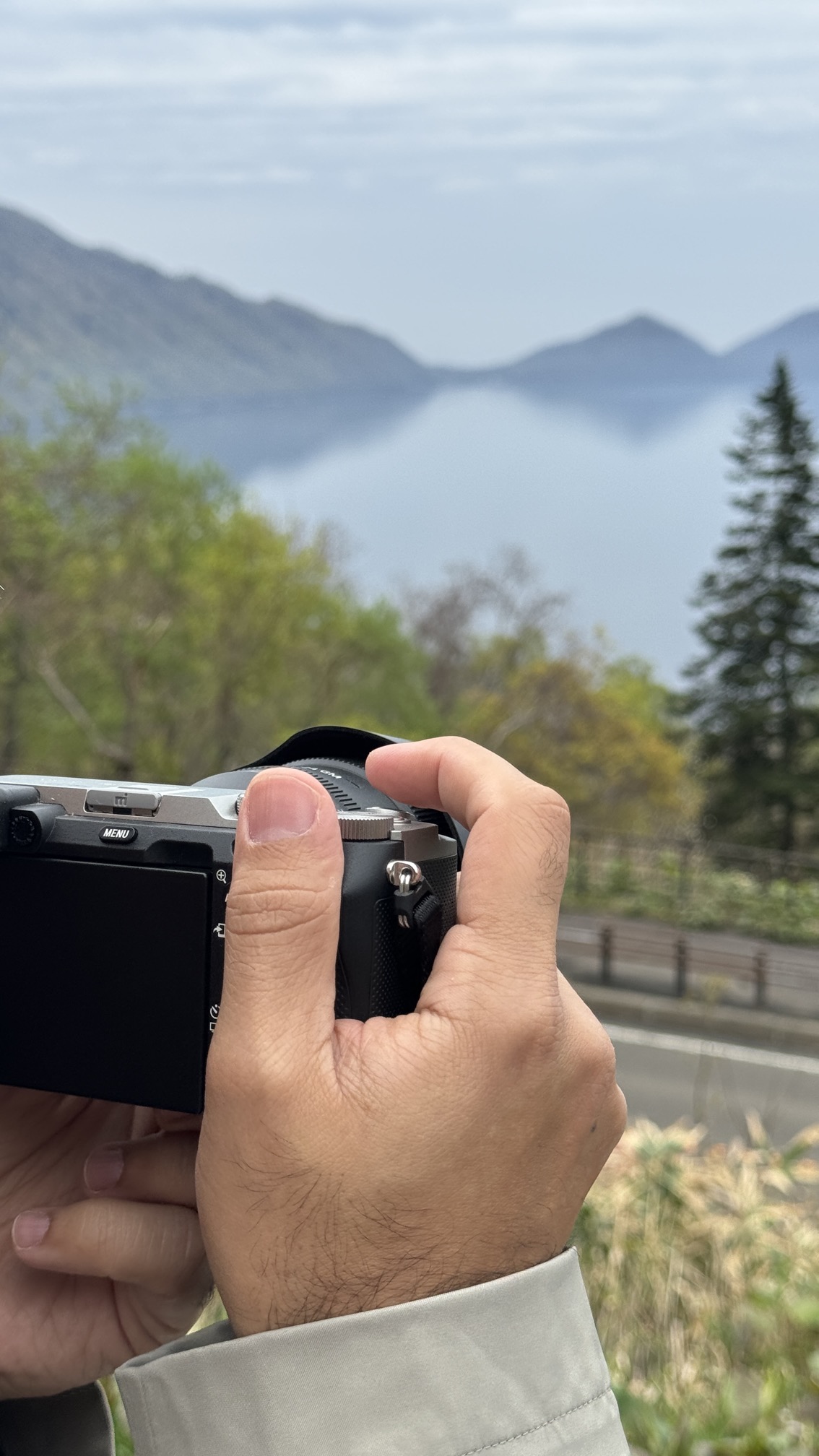
We set alarms for 4am to drive to Unkai Terrace, hoping for the "sea of clouds" that only appears under specific conditions. We got lucky. As the sun rose, the clouds filled the valleys below us like an ocean, with peaks poking through like islands. Total silence. My brothers still bring it up — the kind of moment that quietly recalibrates you.
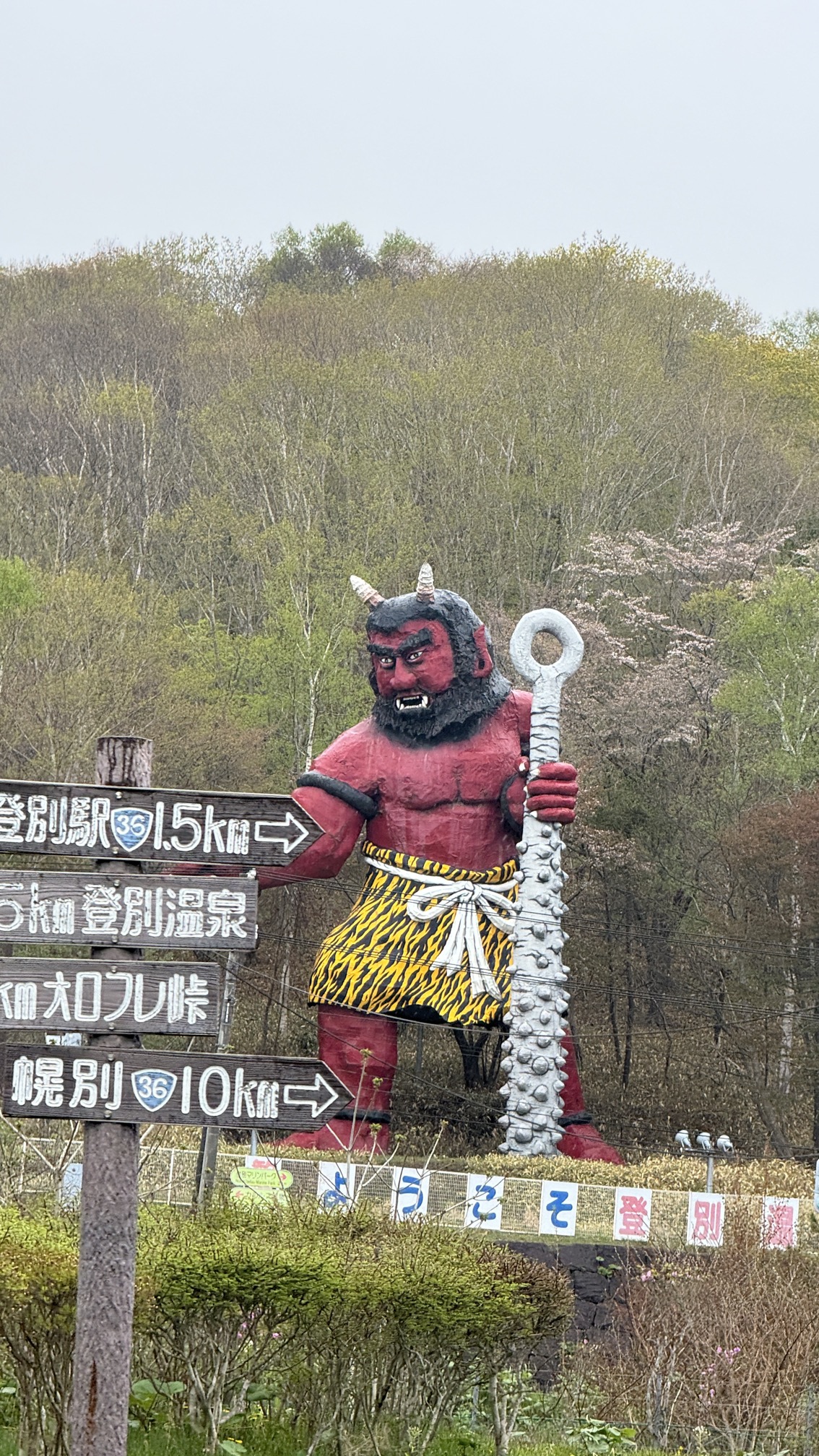
Noboribetsu: Hell Valley and silk-skin onsen
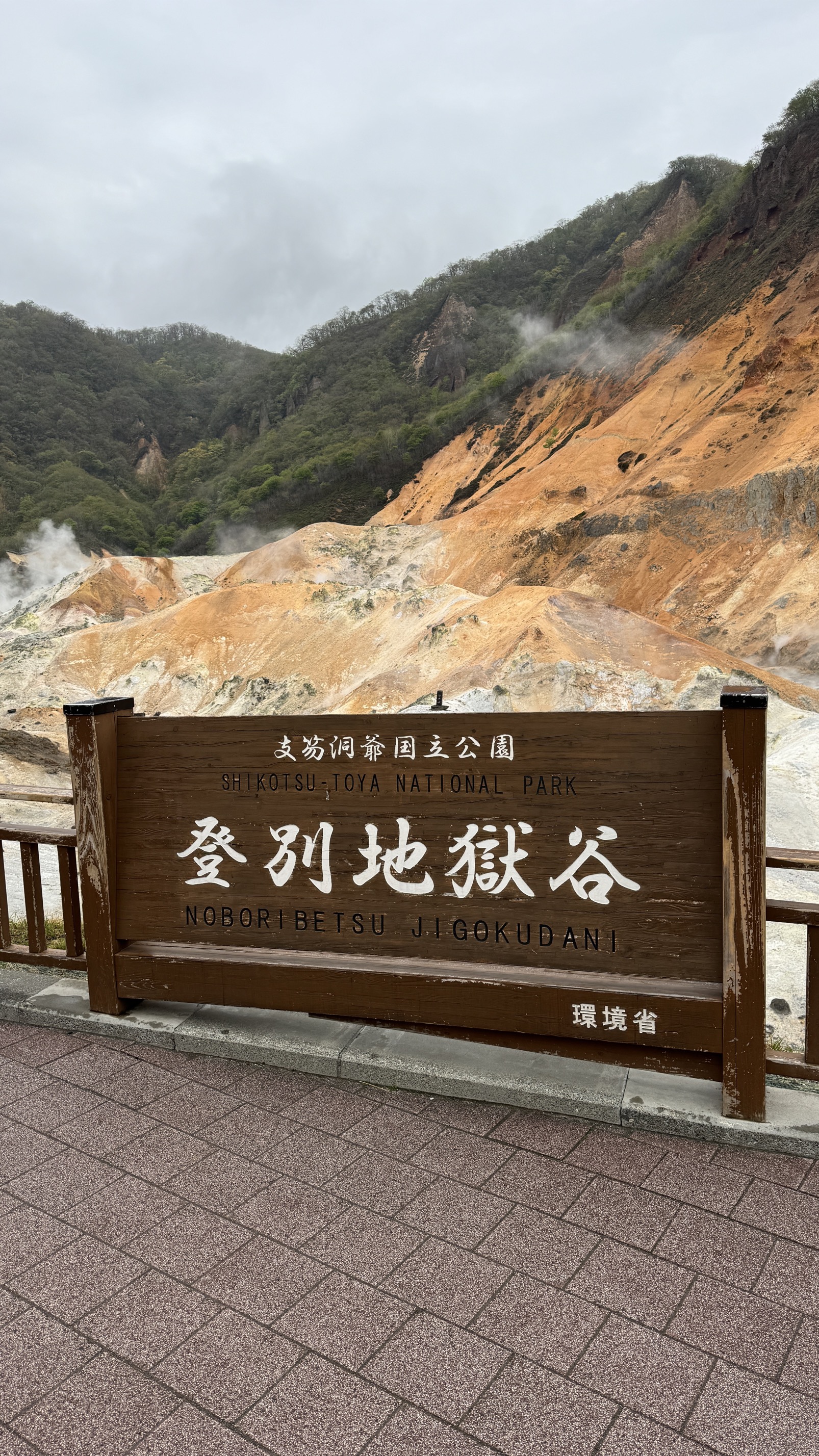
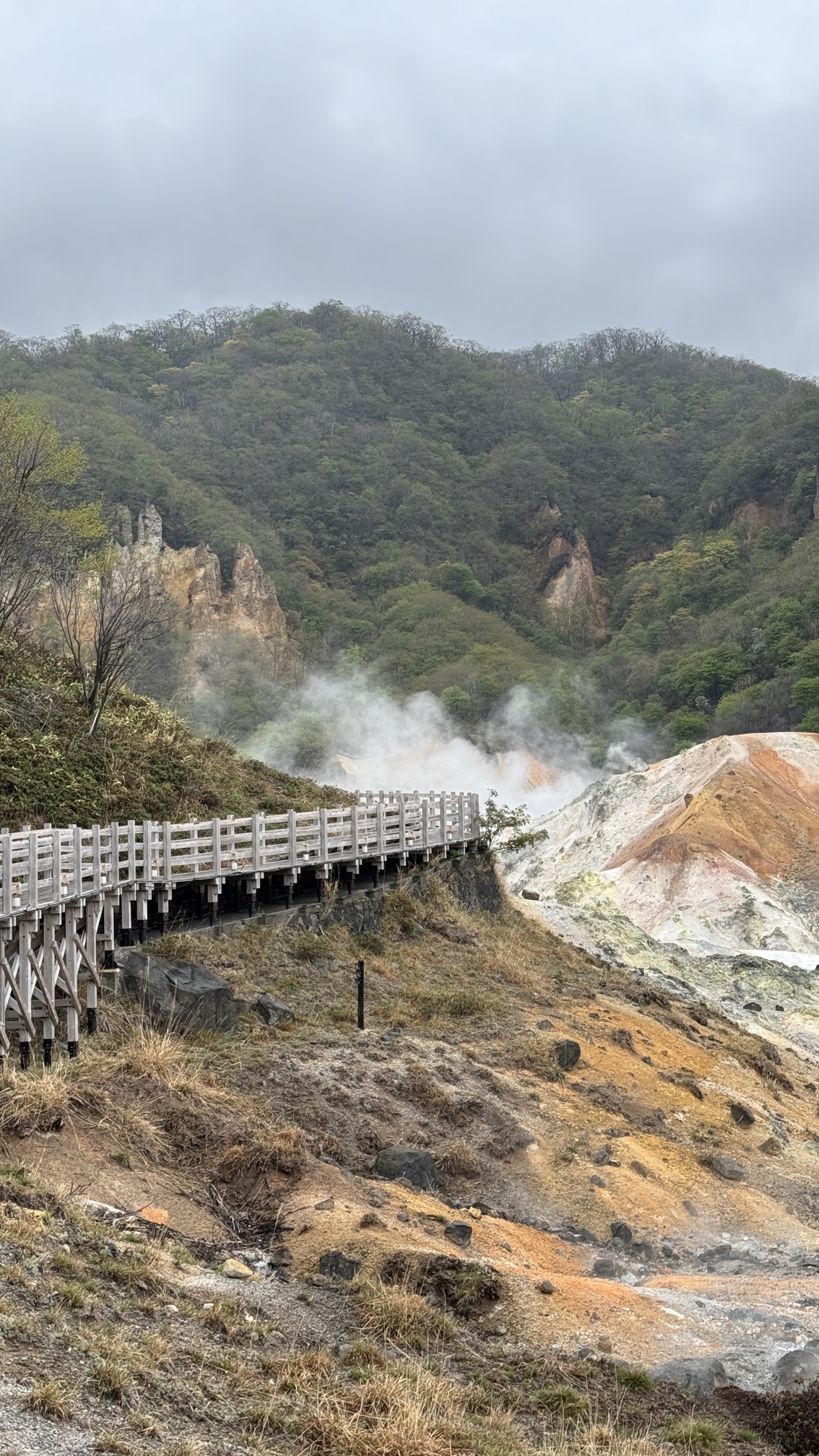
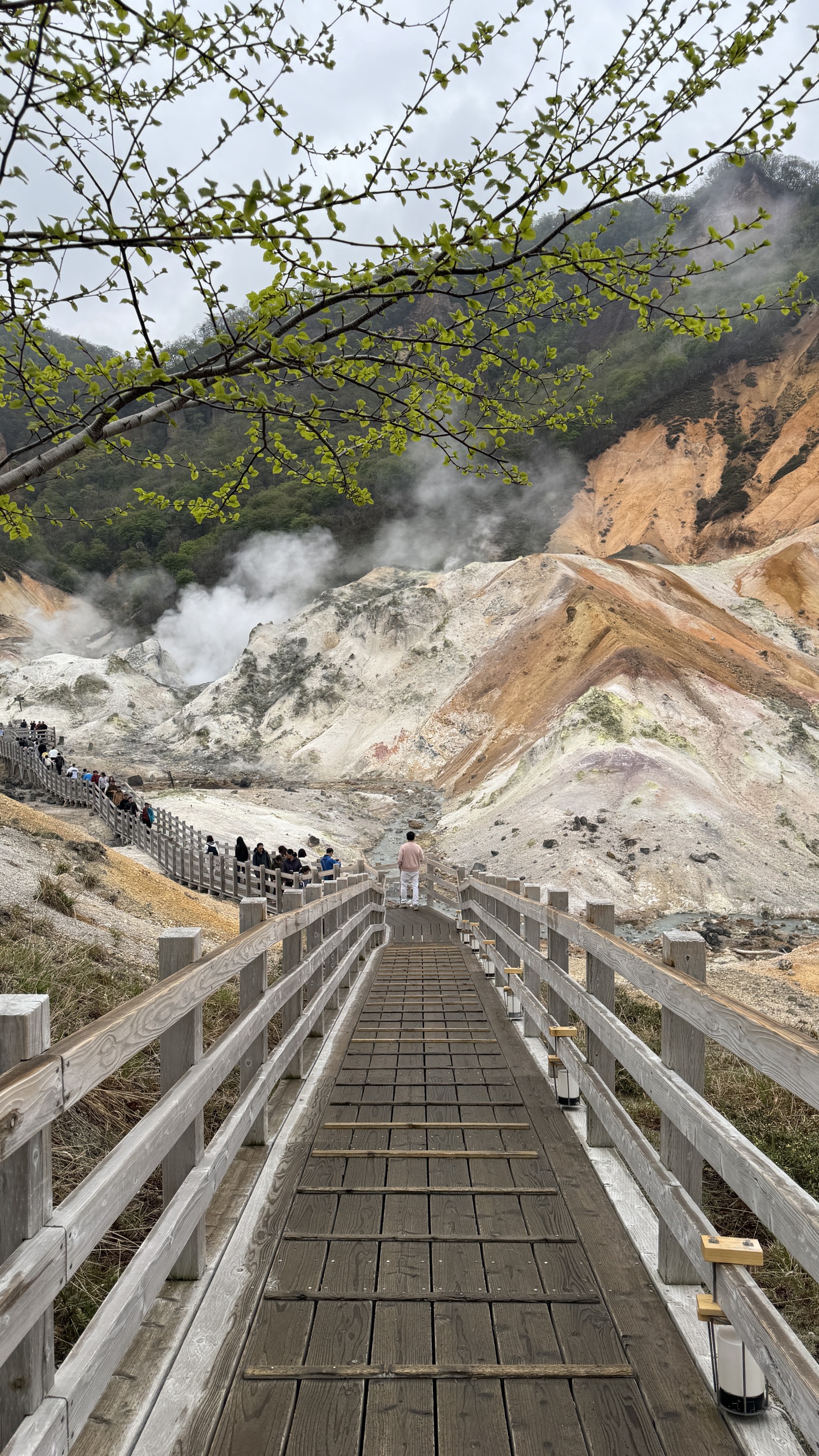
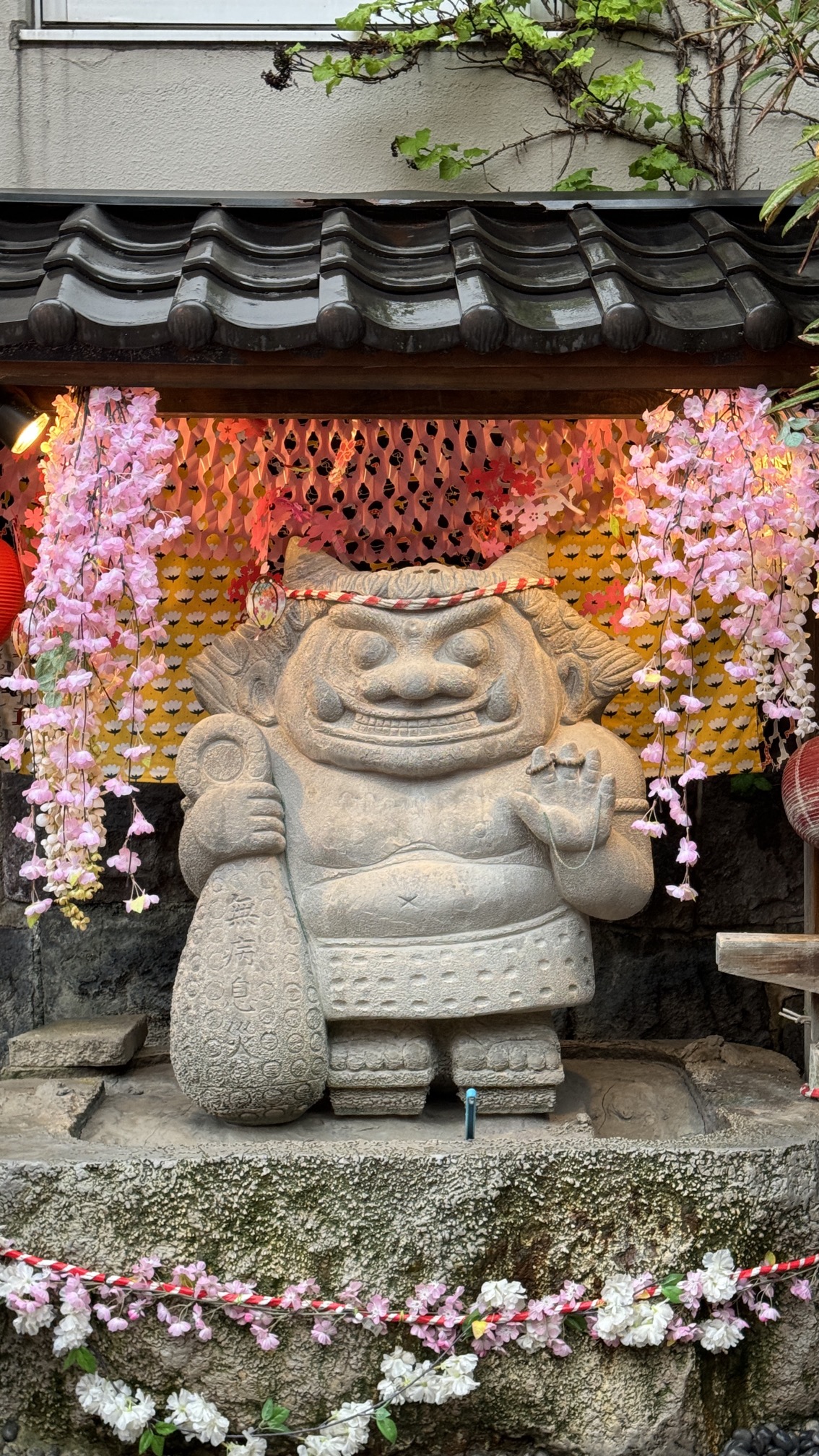
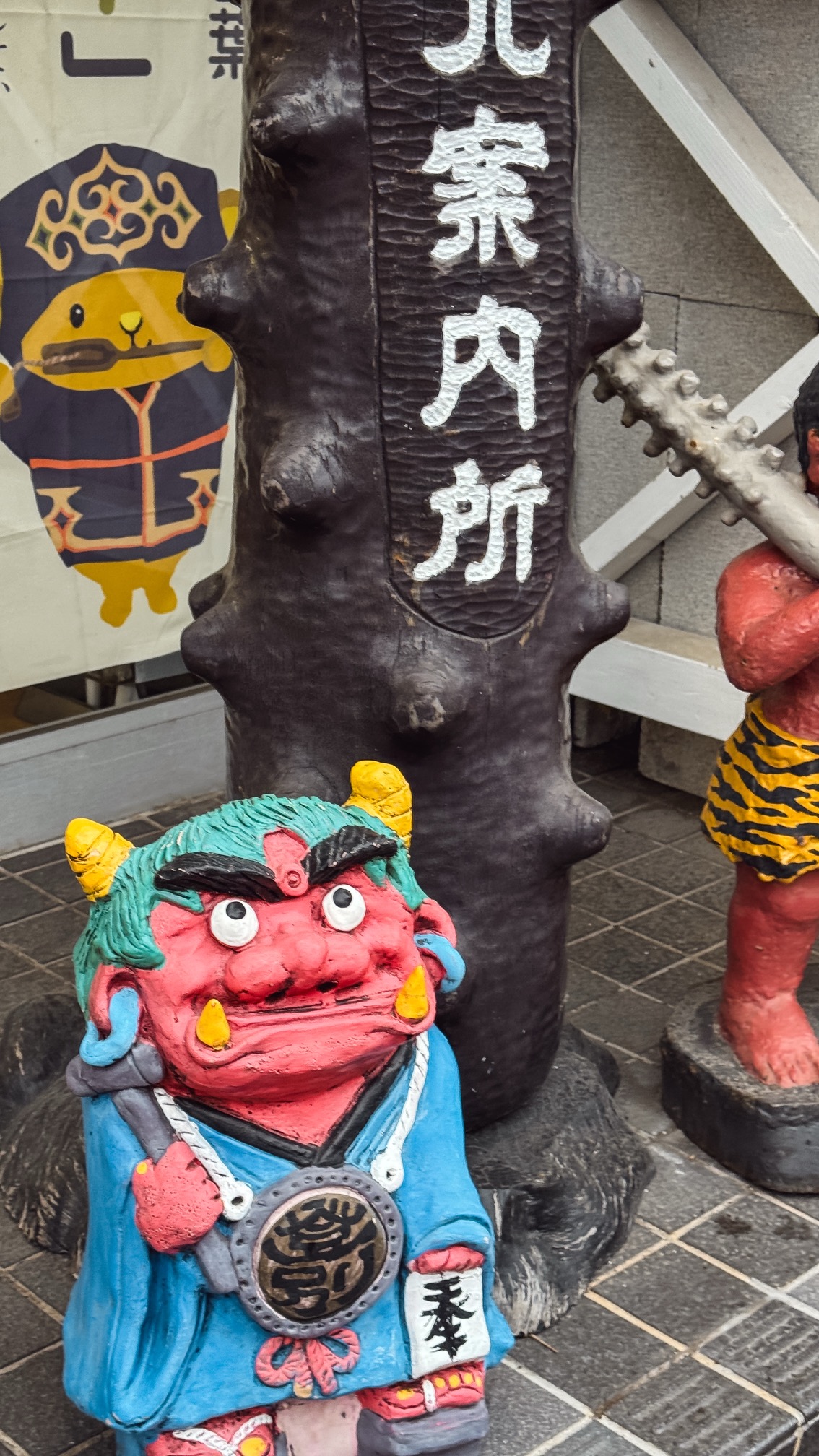
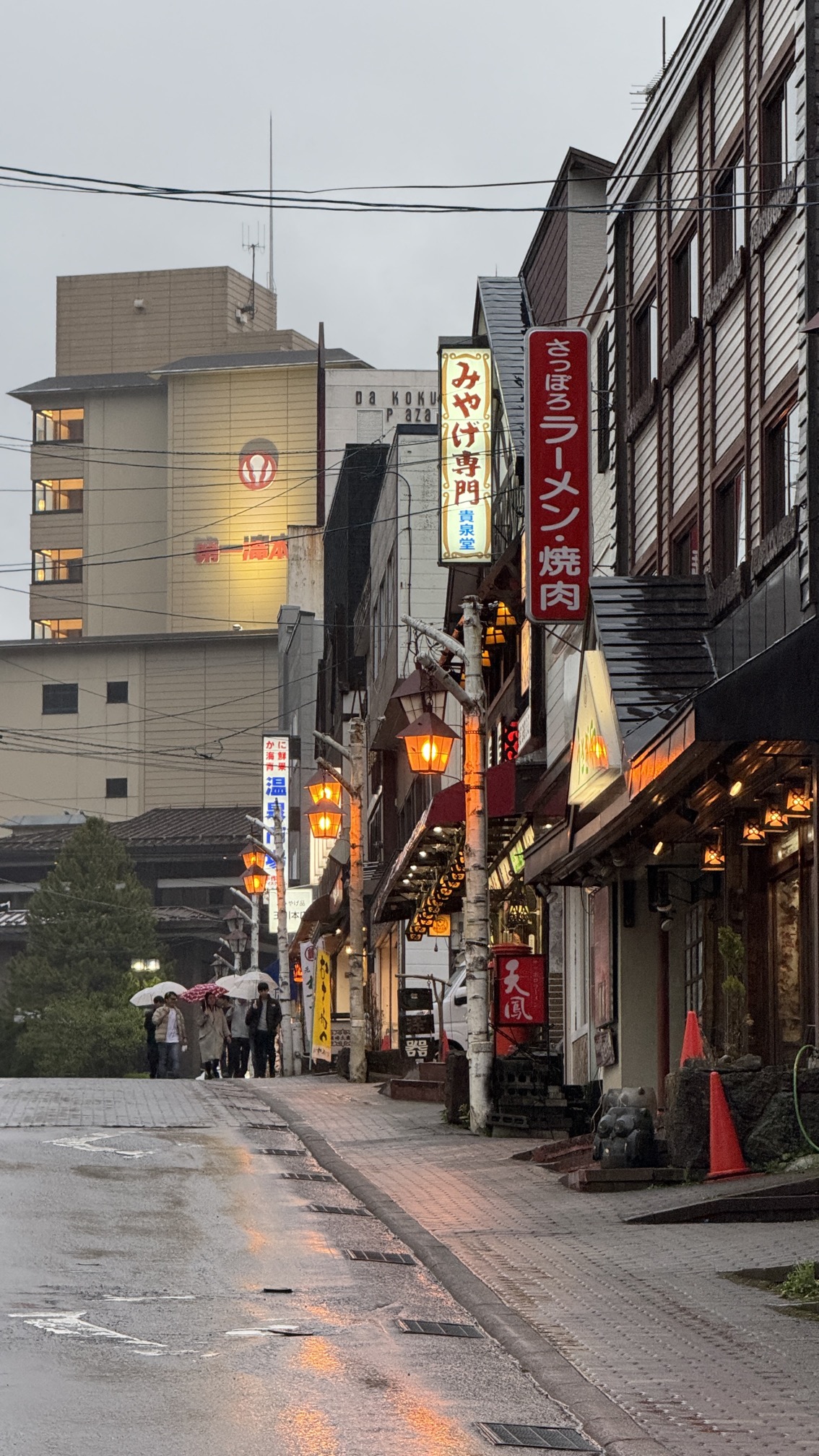
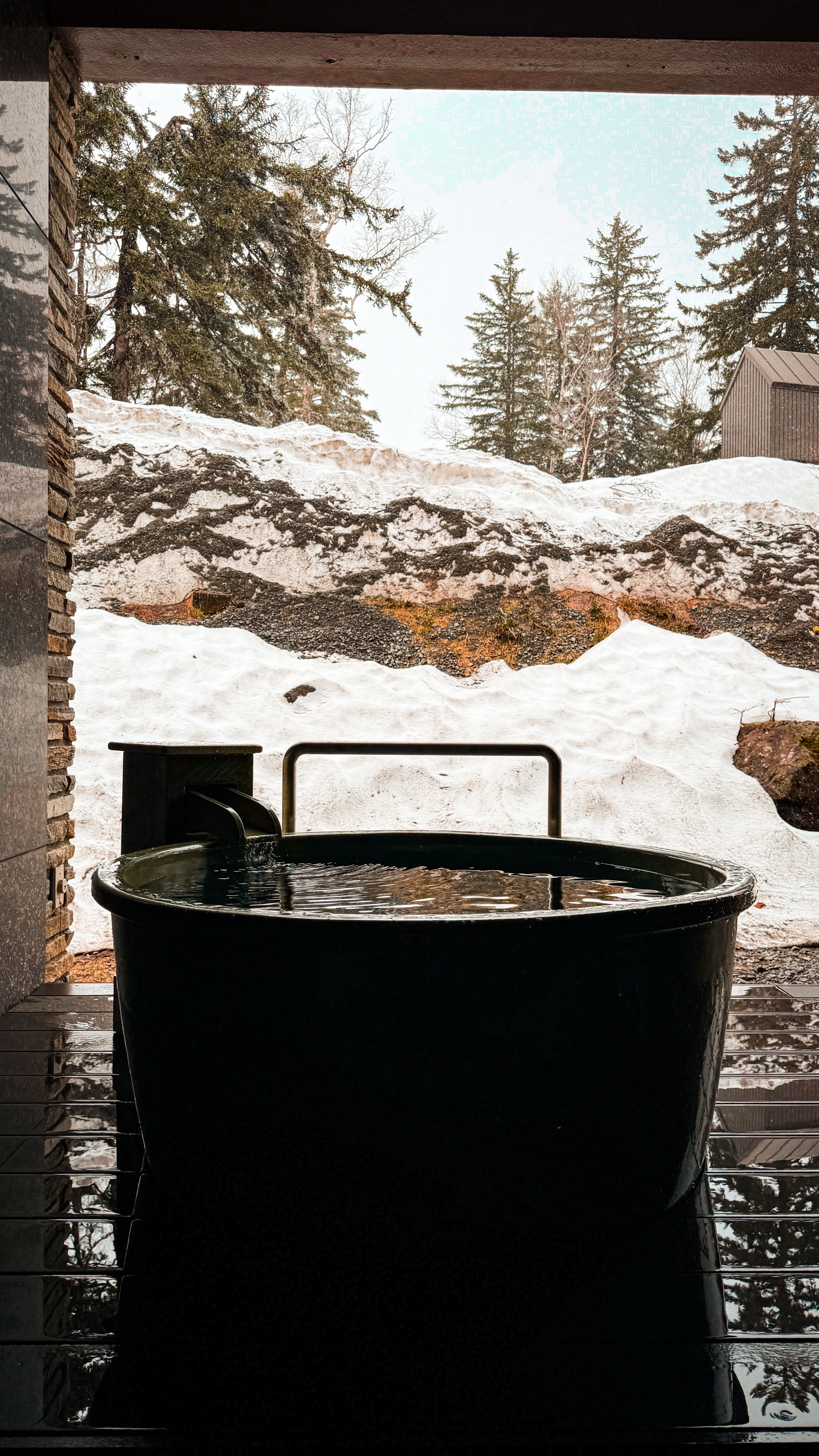
Jigokudani — "Hell Valley" — looks like another planet. Sulfurous steam, rust-coloured rock, hot springs everywhere you look. We hiked the valley, then soaked in onsen fed straight from the geothermal water. Your skin feels like silk afterwards. We''re not exaggerating.
Shikisai: flower fields on demand
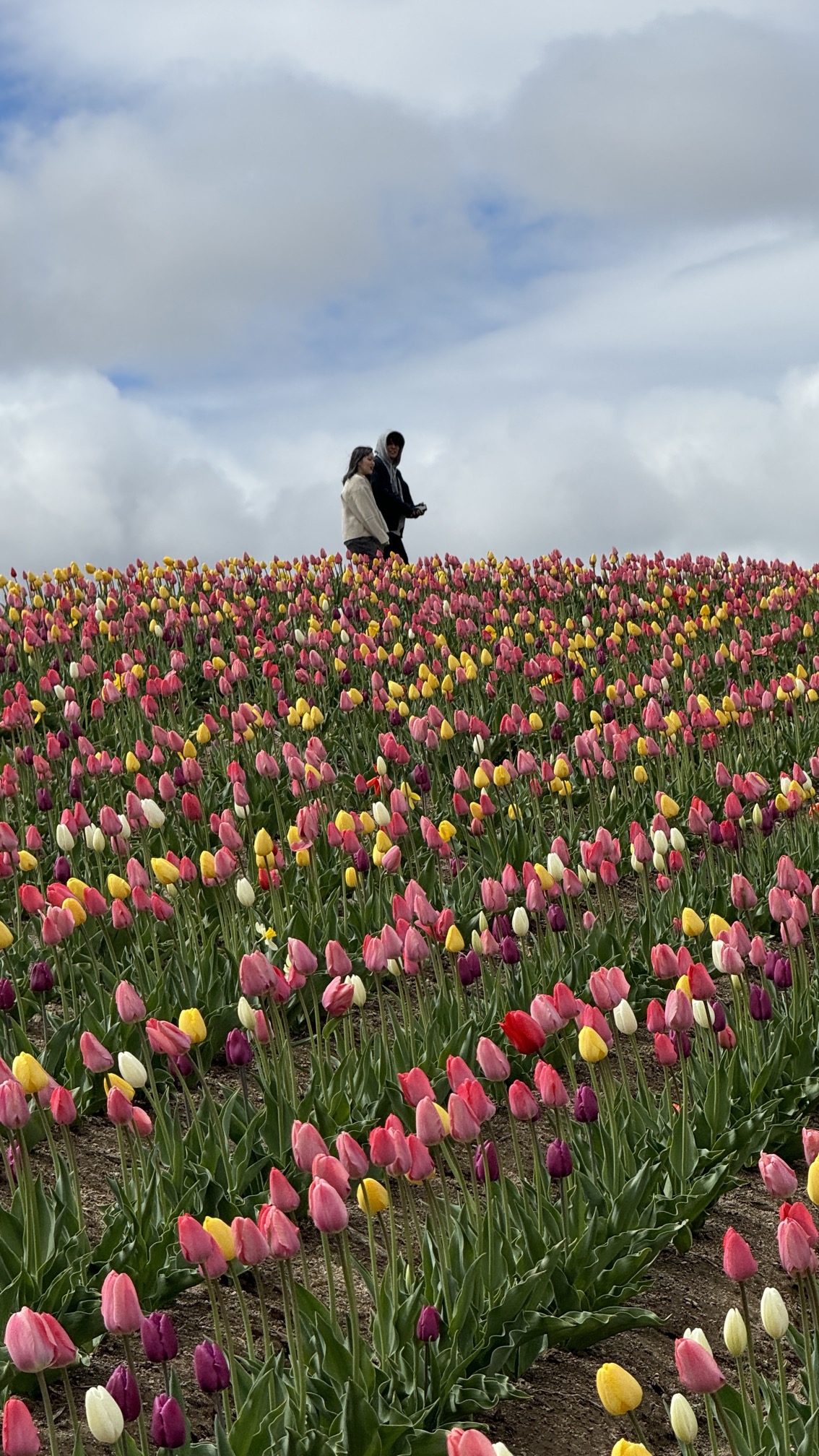
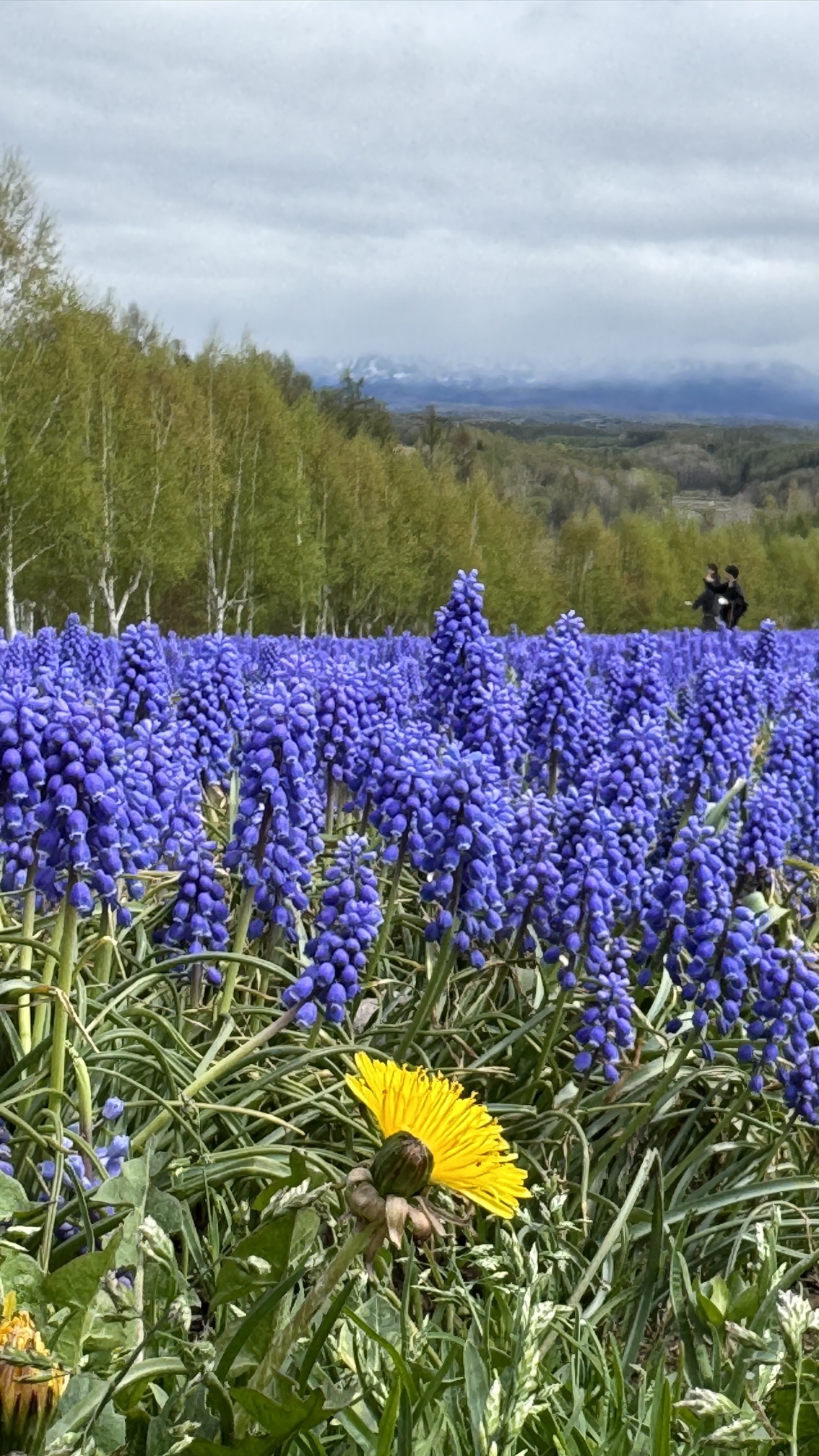
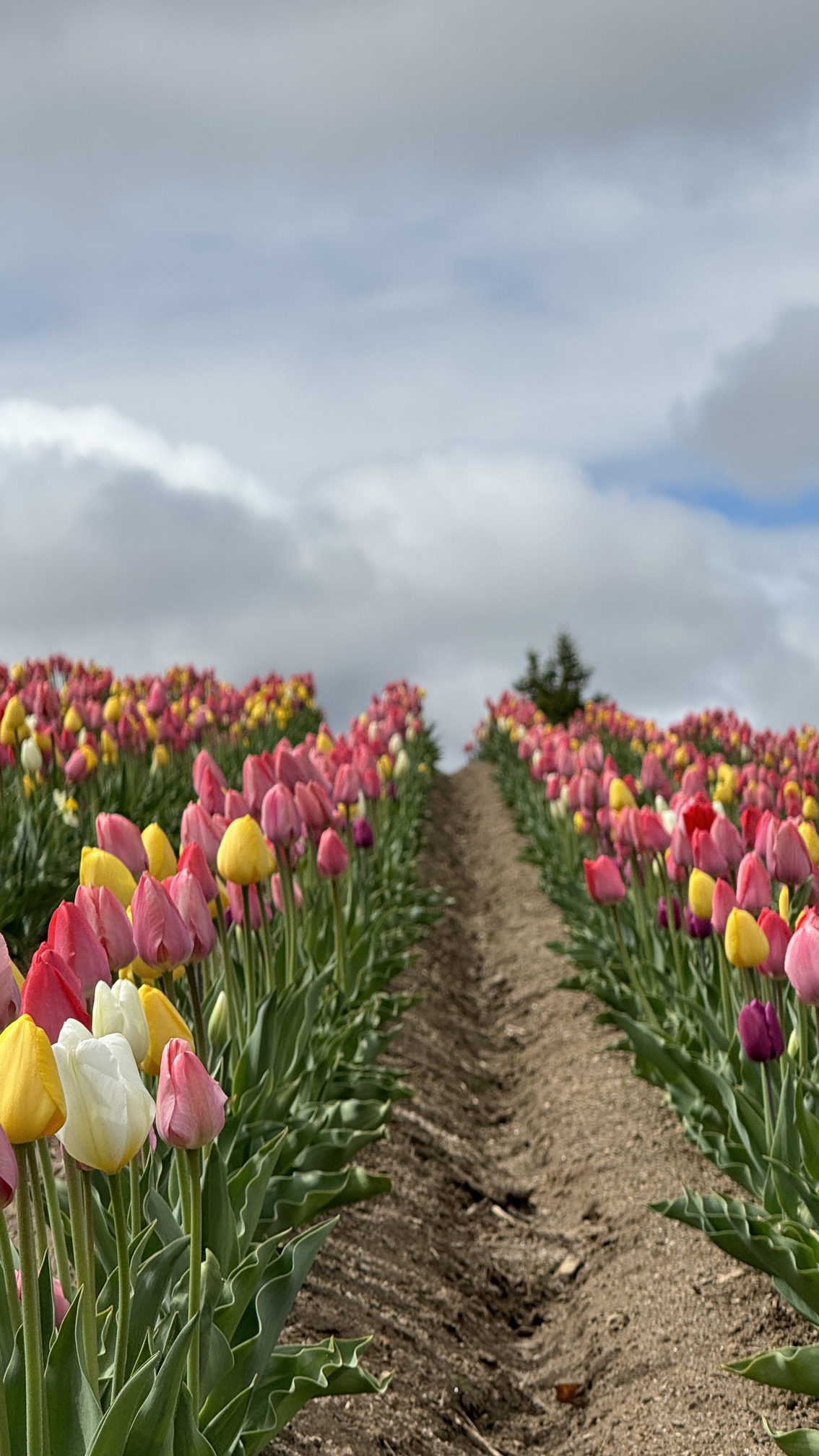
By mid-May, the rolling hills at Shikisai were already exploding into rows of purple, pink, orange, yellow. After the harsh beauty of Hell Valley, it felt like the landscape had been hand-painted overnight.
Hokkaido highlights
- Unkai Terrace (Sea of Clouds) — Book early, set the alarm.
- Noboribetsu Jigokudani — Otherworldly geothermal walk.
- Shikisai-no-Oka flower park — Best in late May and June.
- Asahidake Ropeway — Easy access to volcanic alpine terrain.
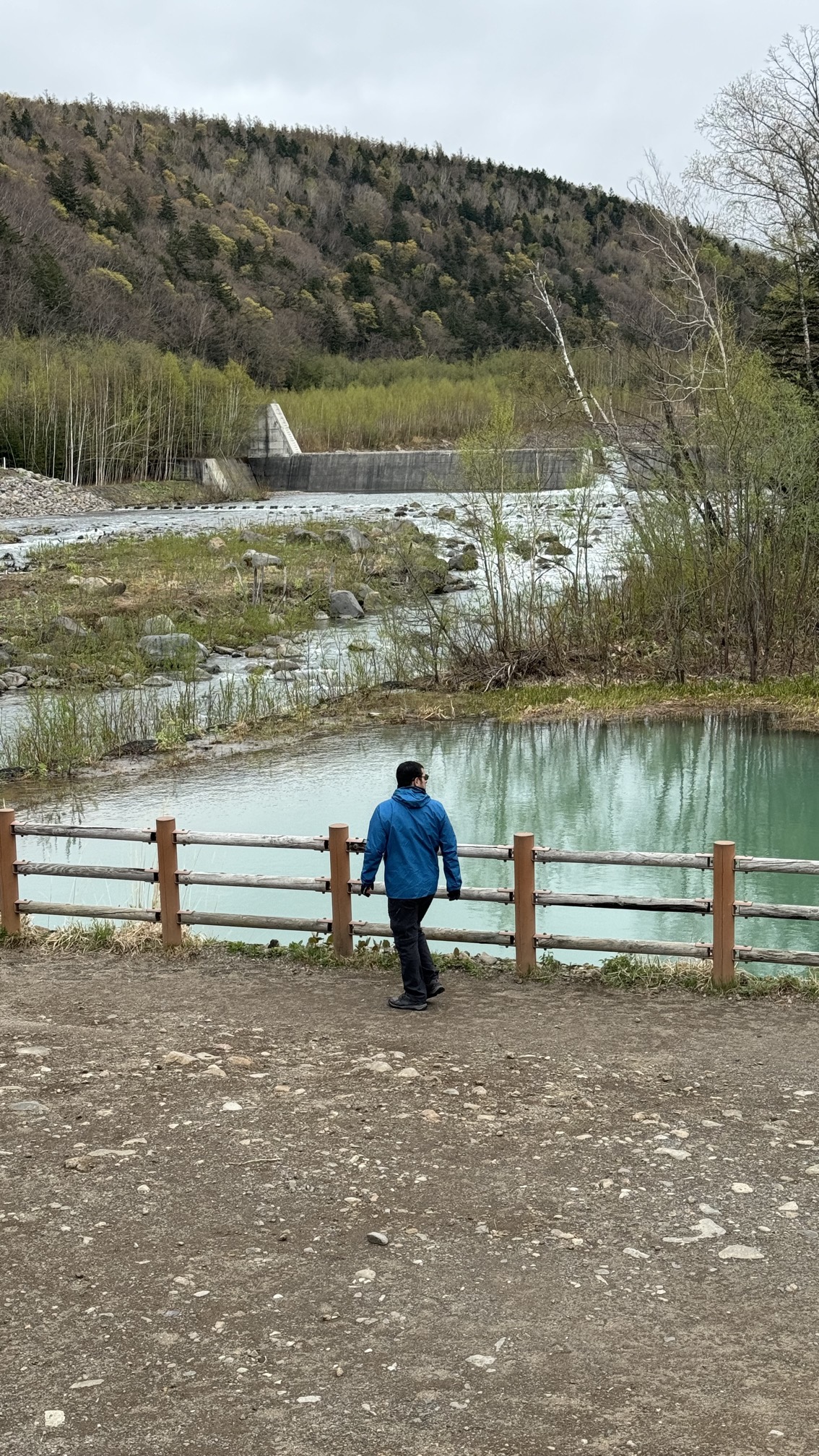
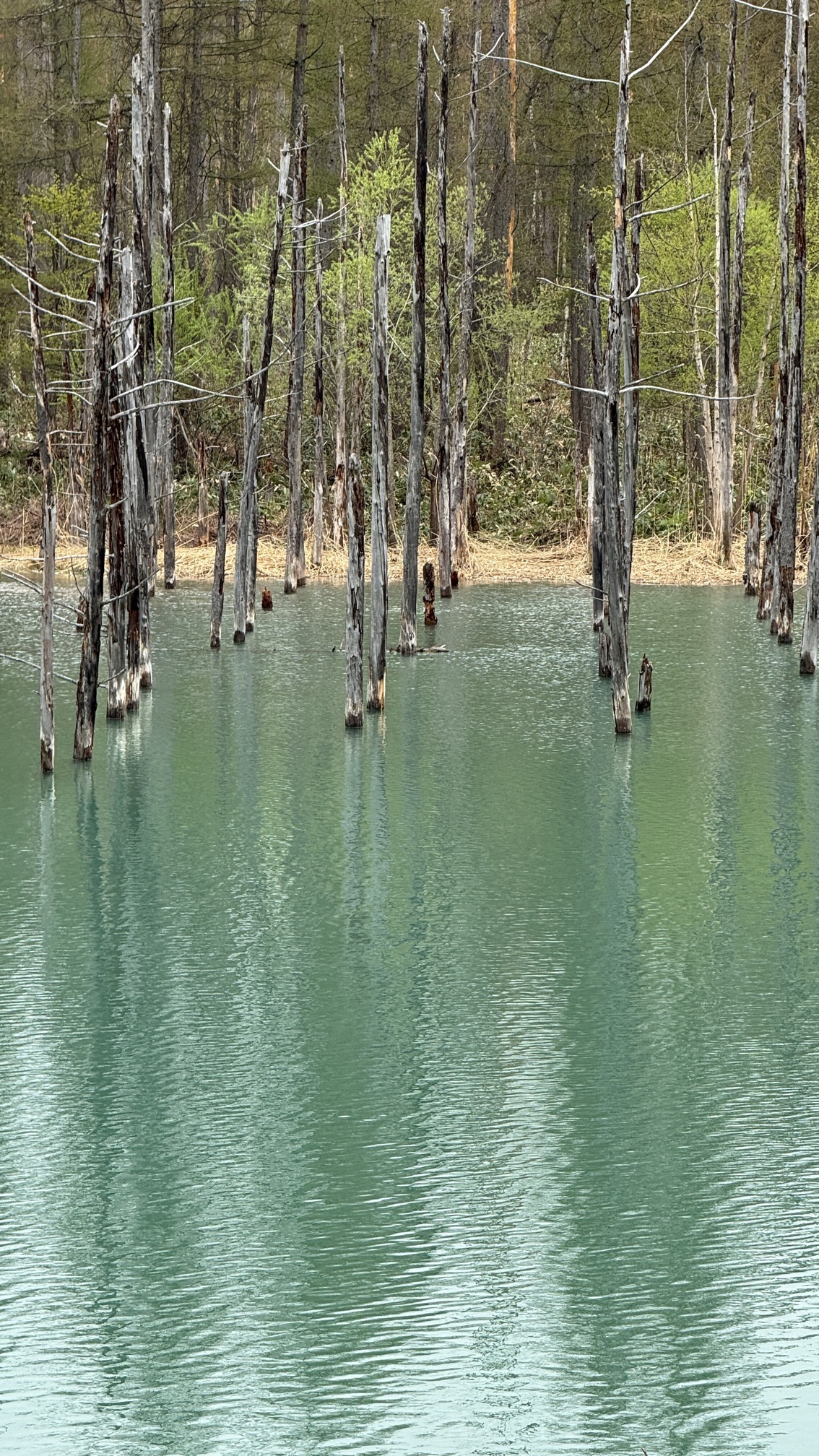
- Blue Pond — Five minutes off the road, surreal turquoise water.
What we loved: Hokkaido is its own country. Wild, spacious, weirdly European in places, deeply Japanese underneath.
Want this itinerary? Copy it into Plany and customize it for your dates.
Copy to PlanyTokyo · Days 15–17
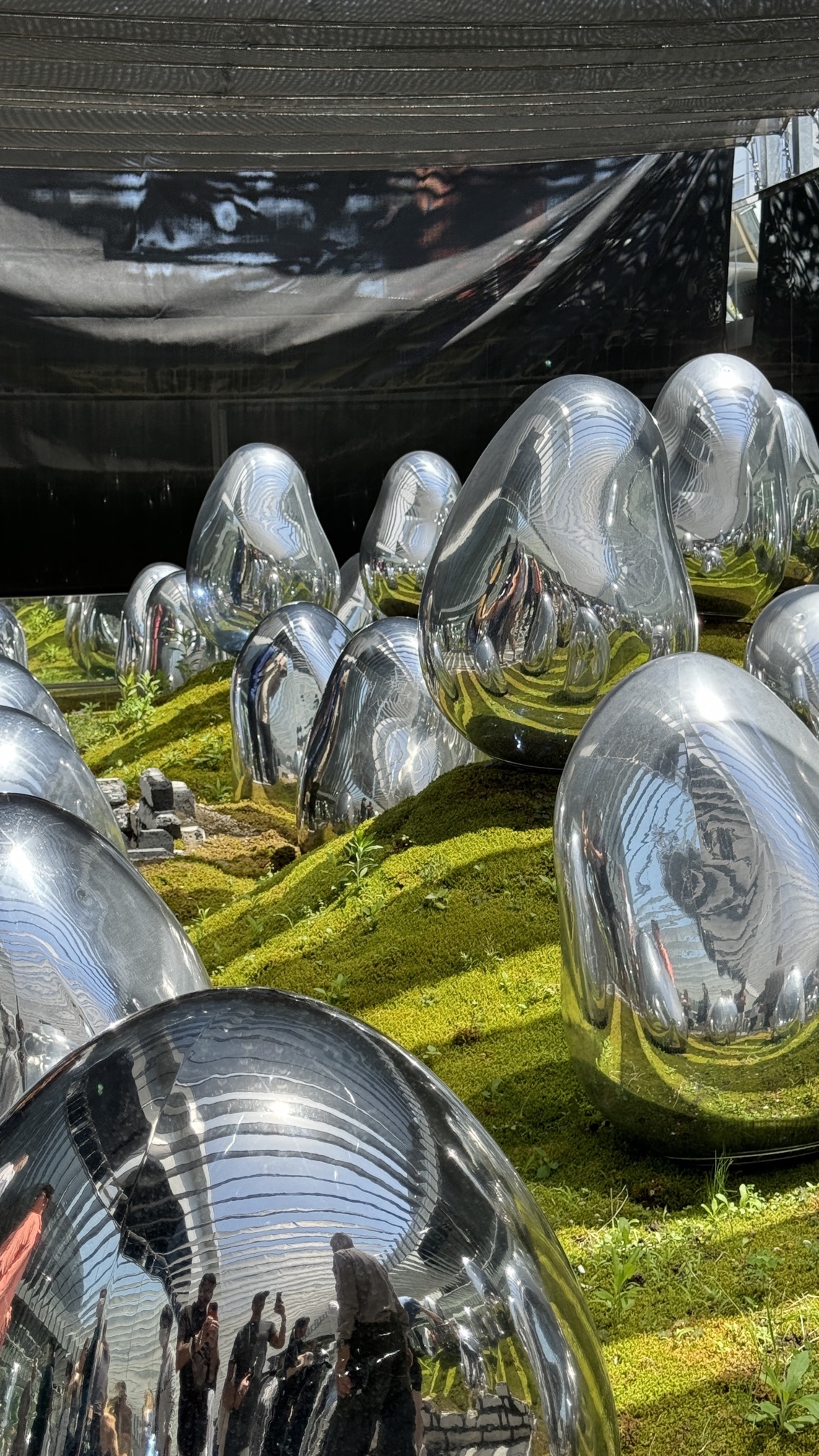
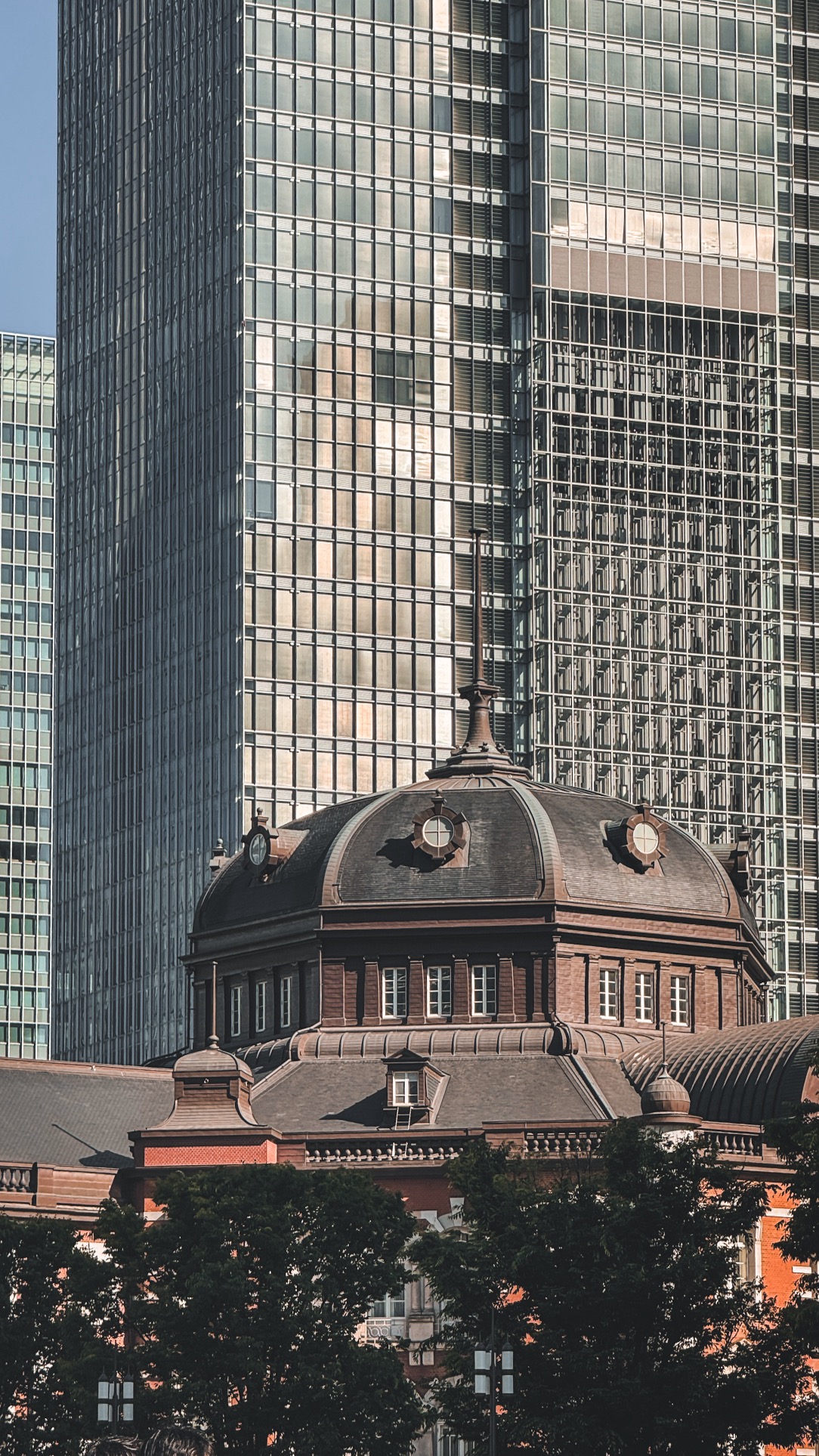
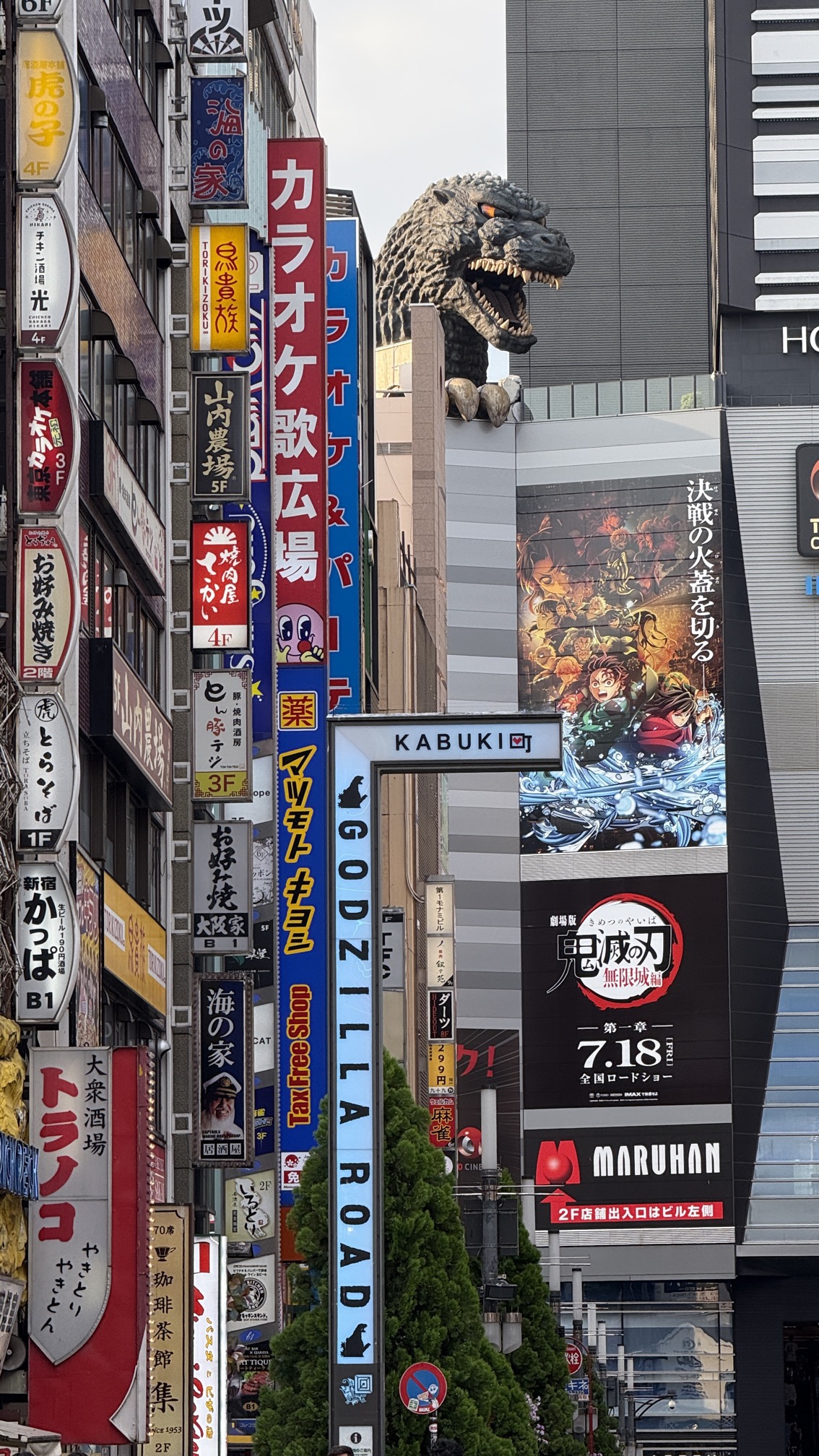
Re-entering Tokyo
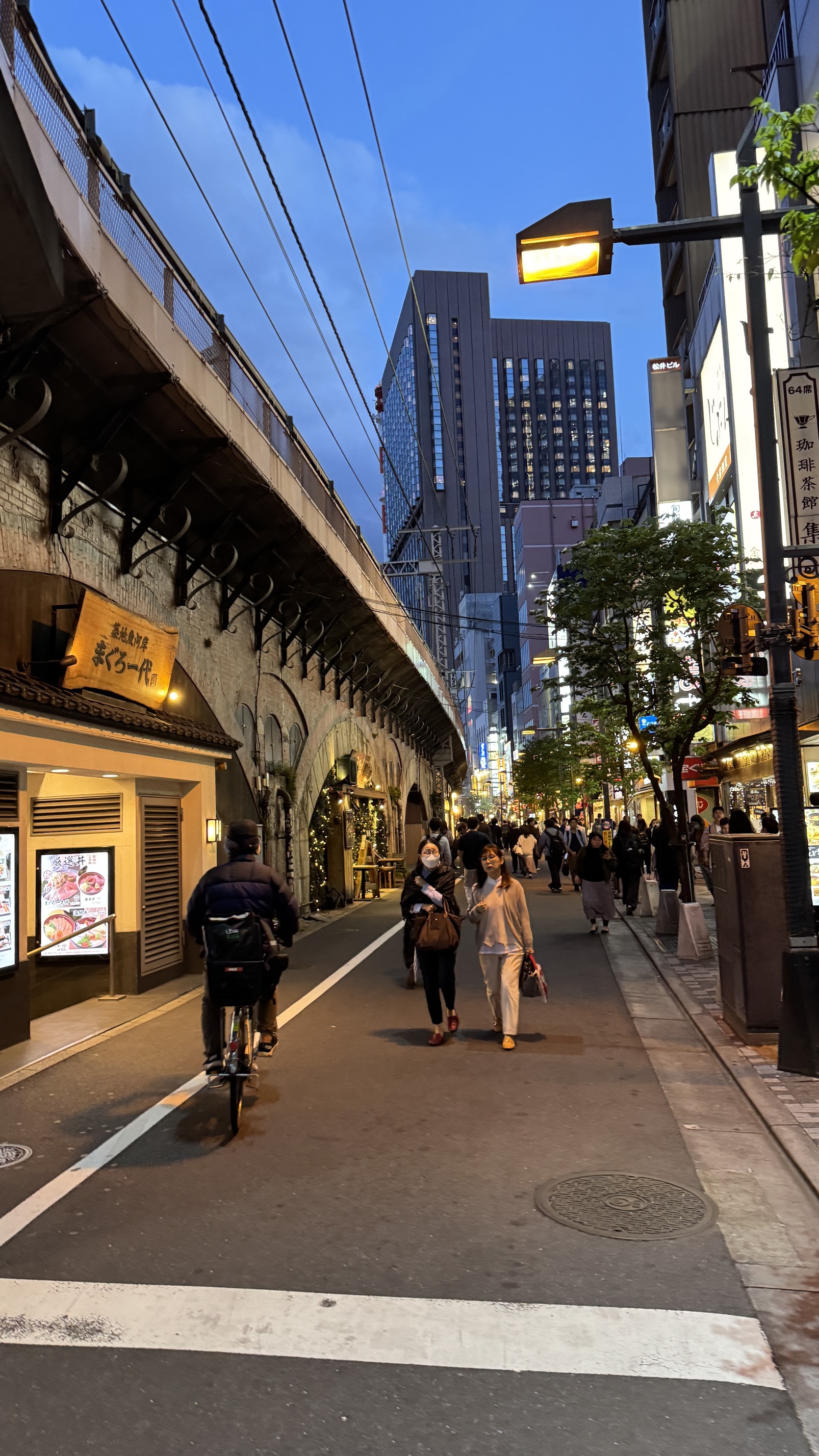
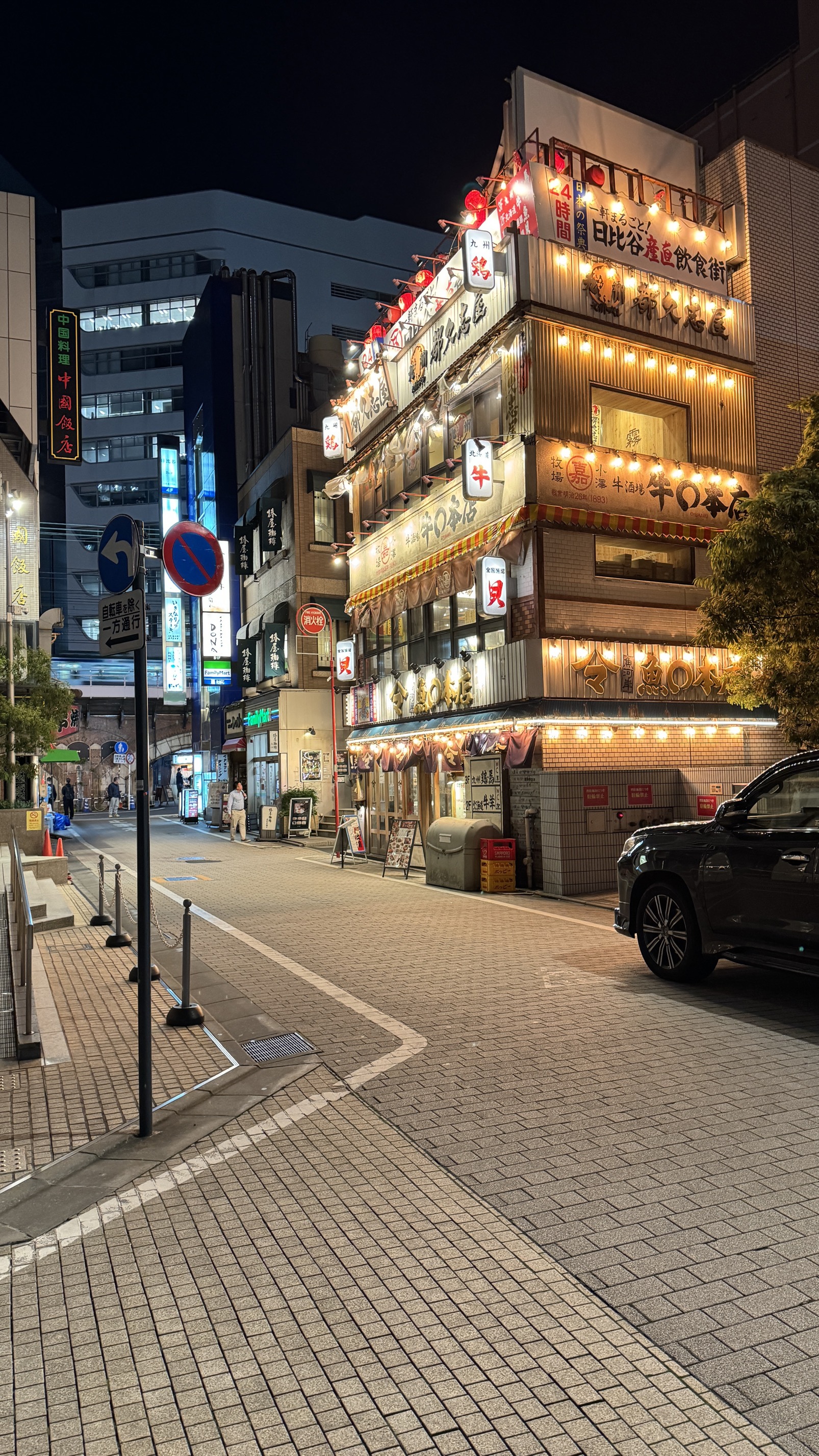
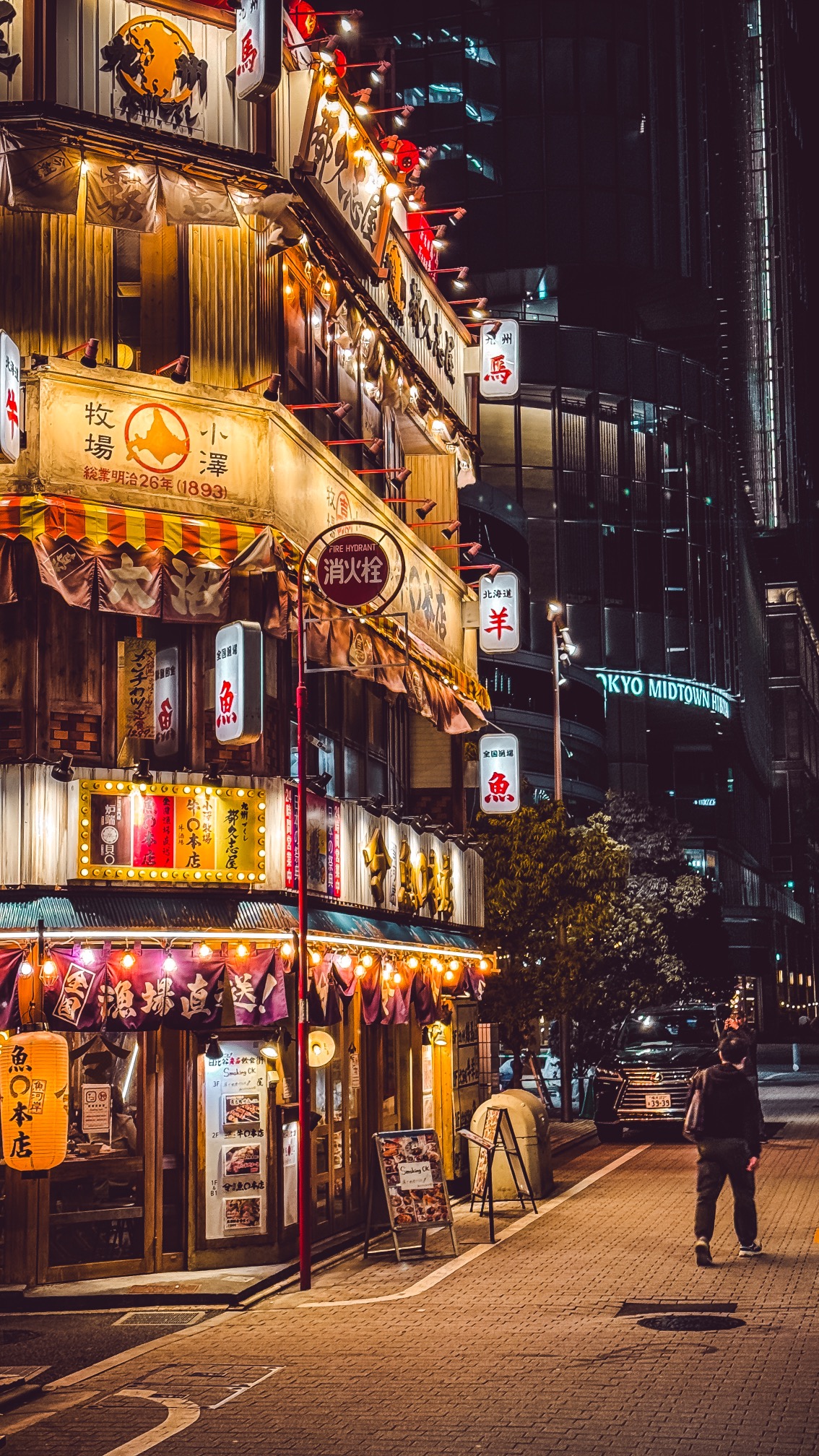
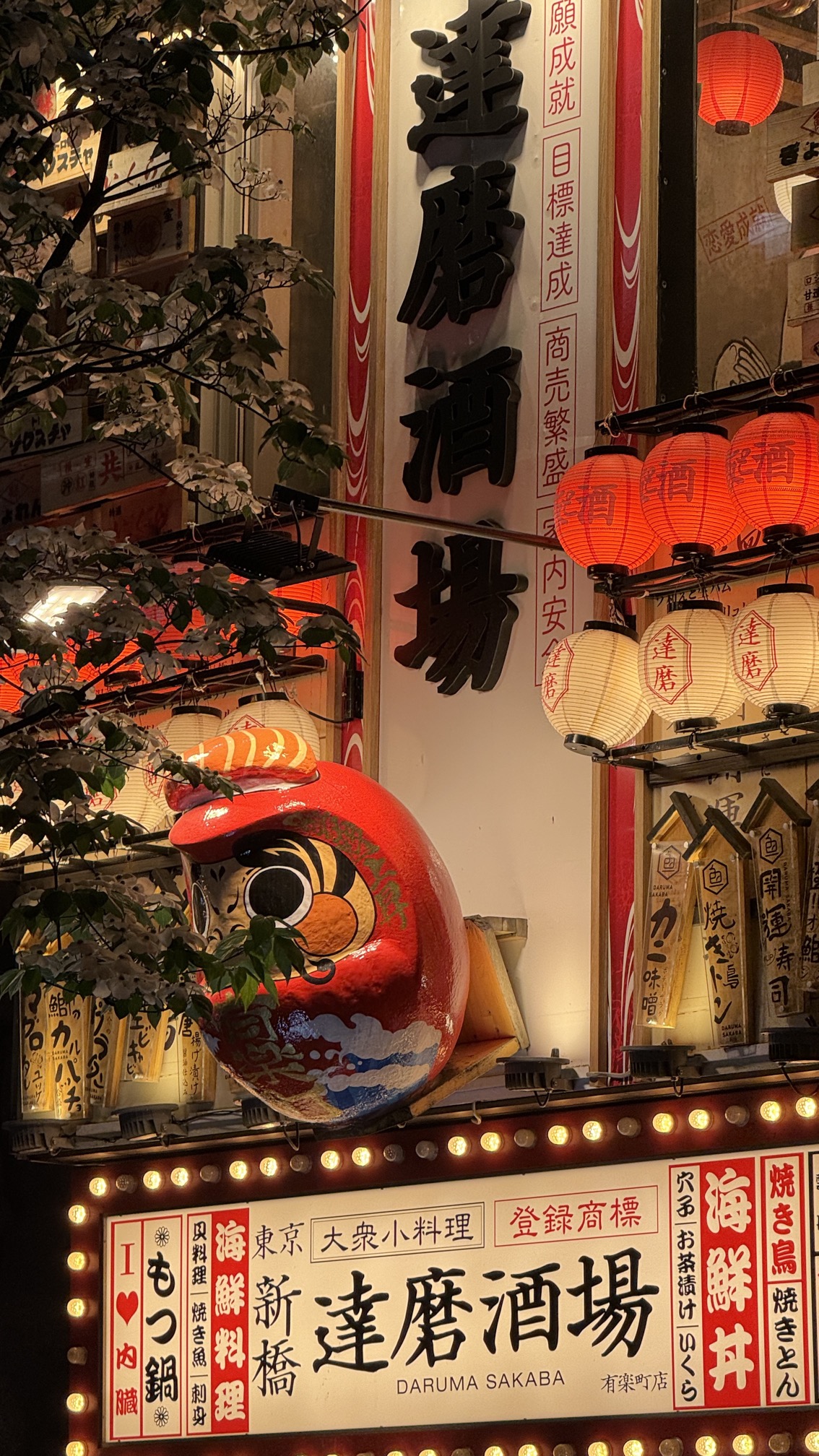
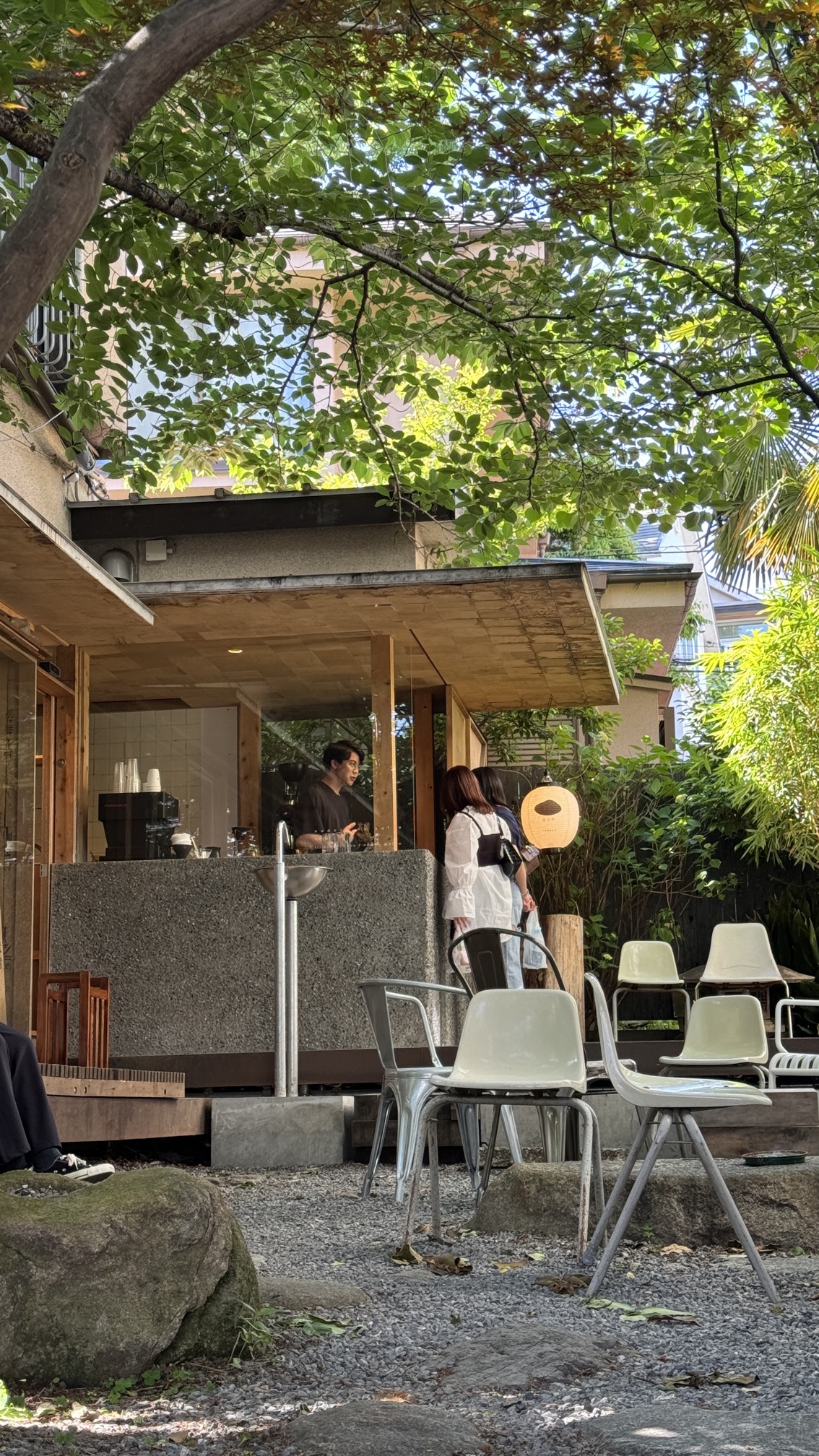
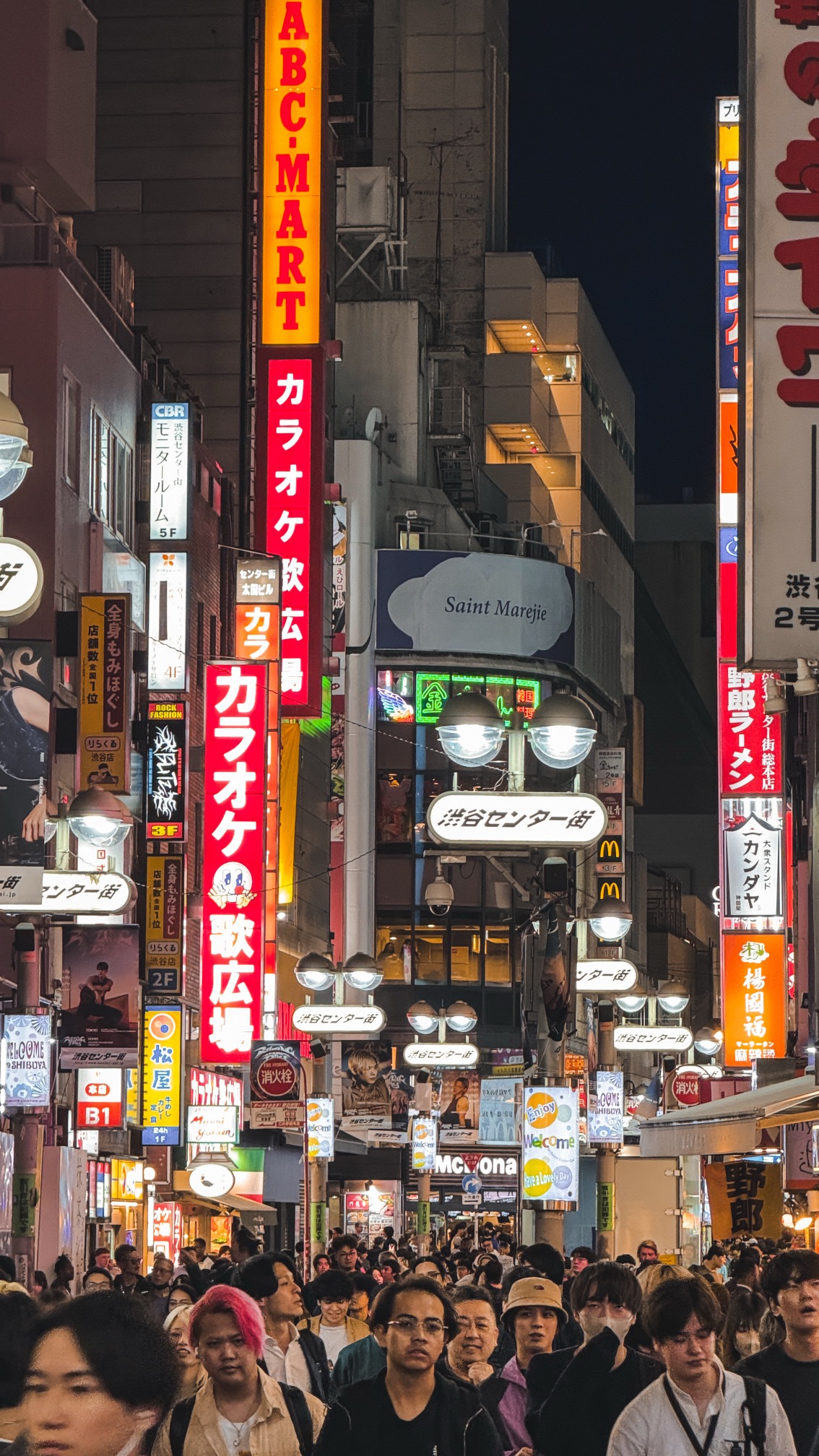
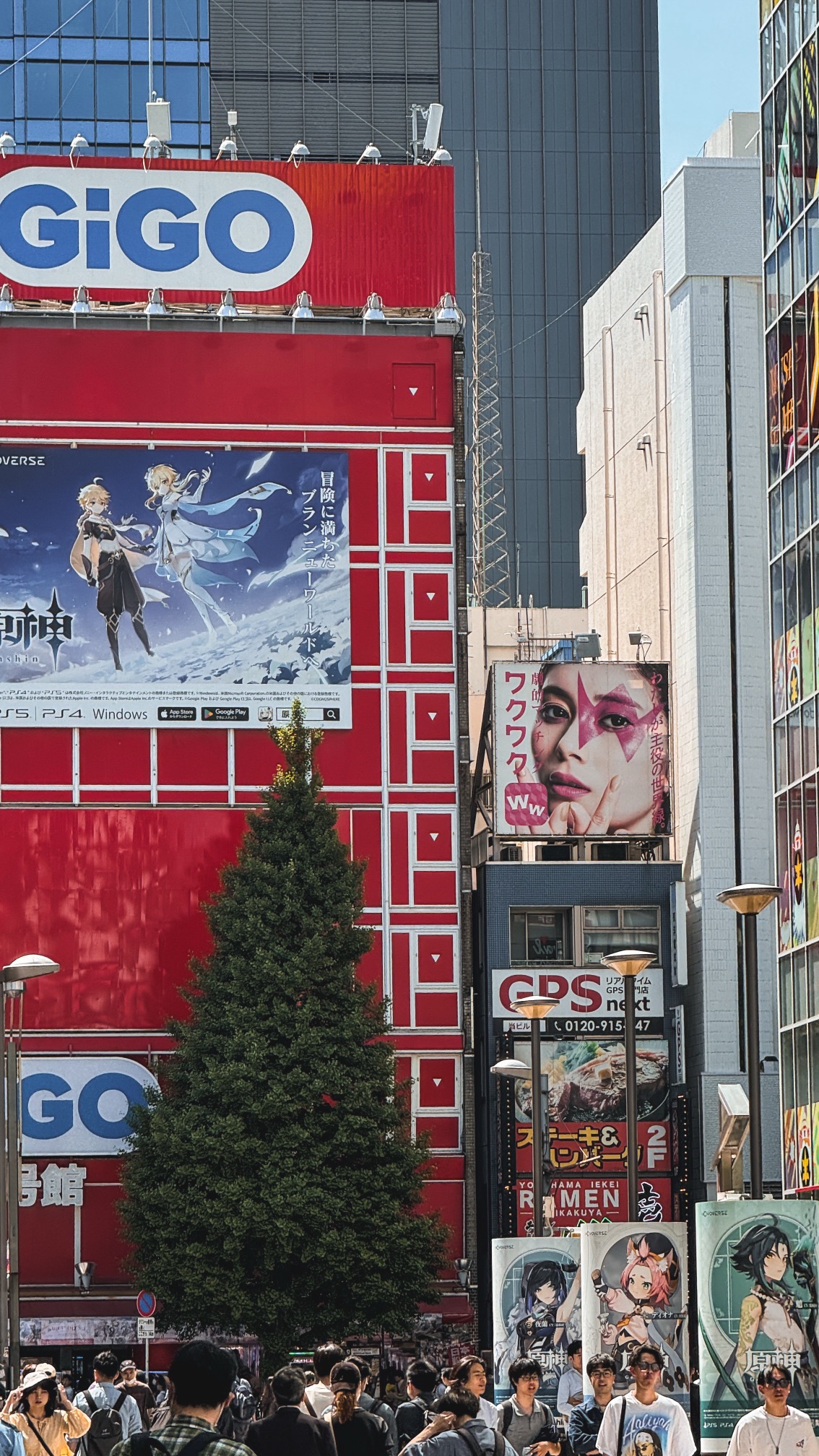
After two weeks in small villages and quiet valleys, Tokyo hit like a tsunami. Thirteen million people, neon, trains that move on the second. We stayed at the Peninsula — a luxury reset after sleeping on tatami — and let the city do its thing.
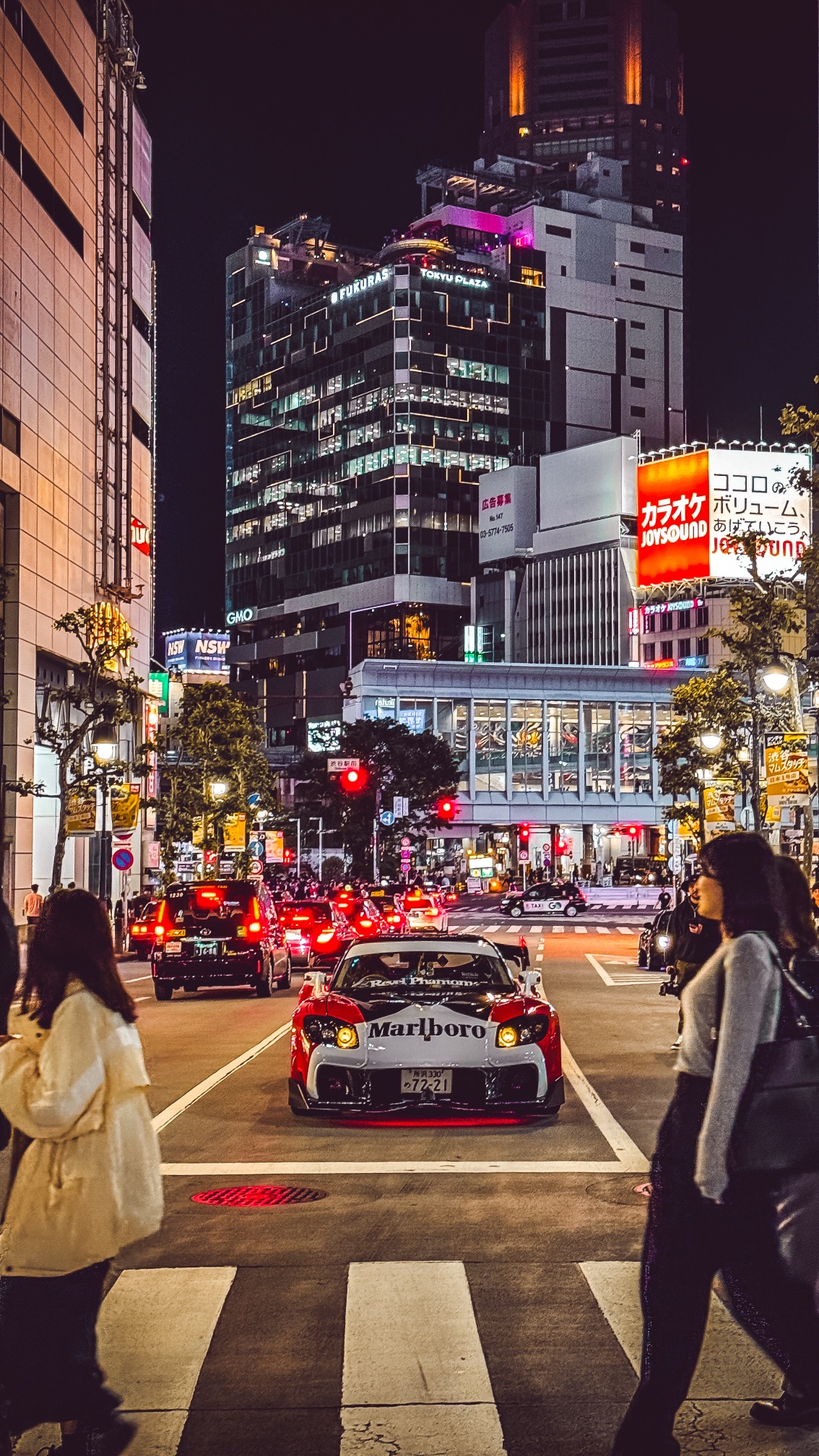
Shibuya Crossing: choreographed chaos
We watched from the Starbucks above the famous intersection. Three thousand people every two and a half minutes, all moving with intent. It''s not chaos at all — it''s the most organised crowd you''ll ever see.
Meiji Shrine: a forest hiding in the city
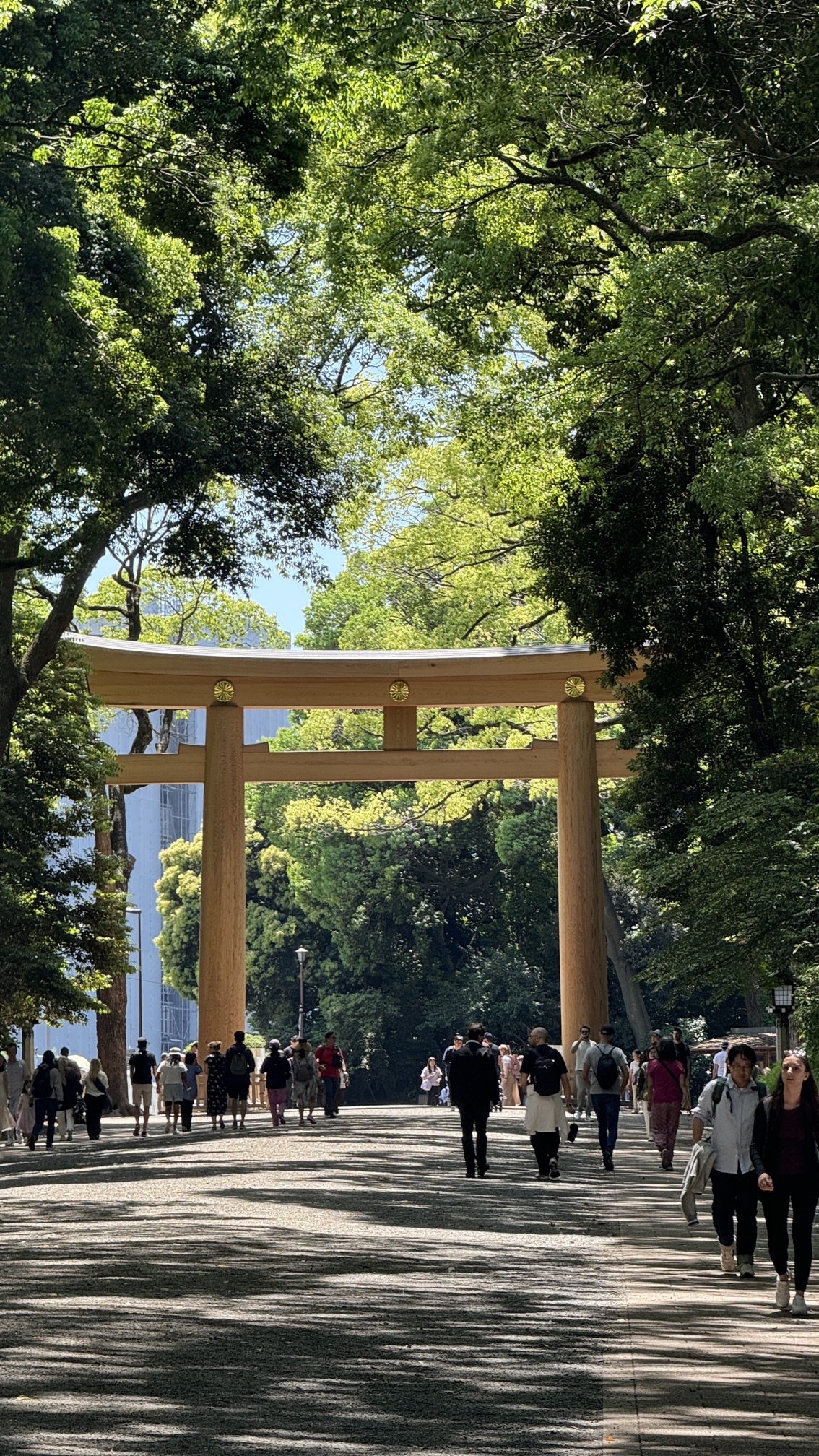
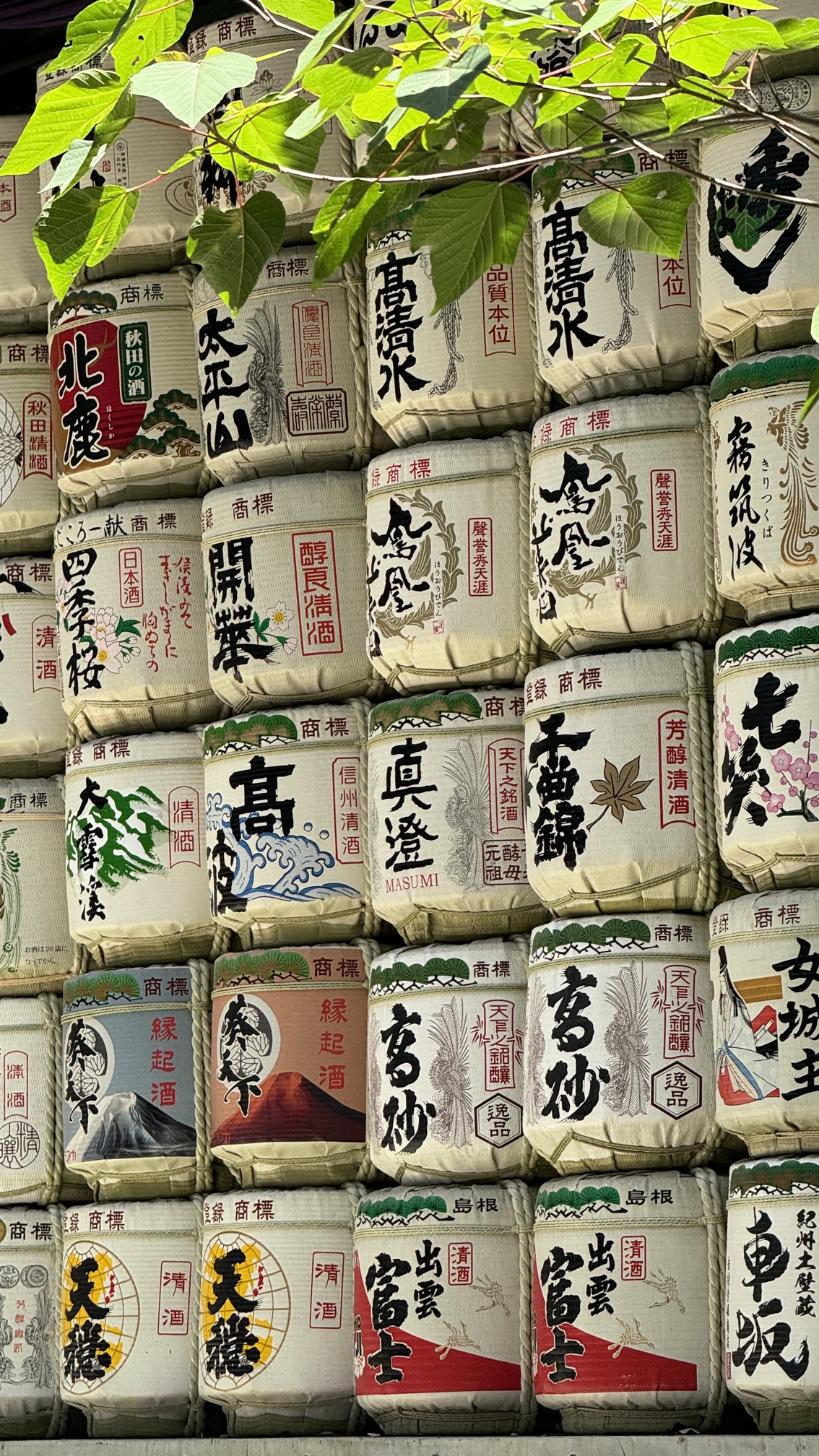
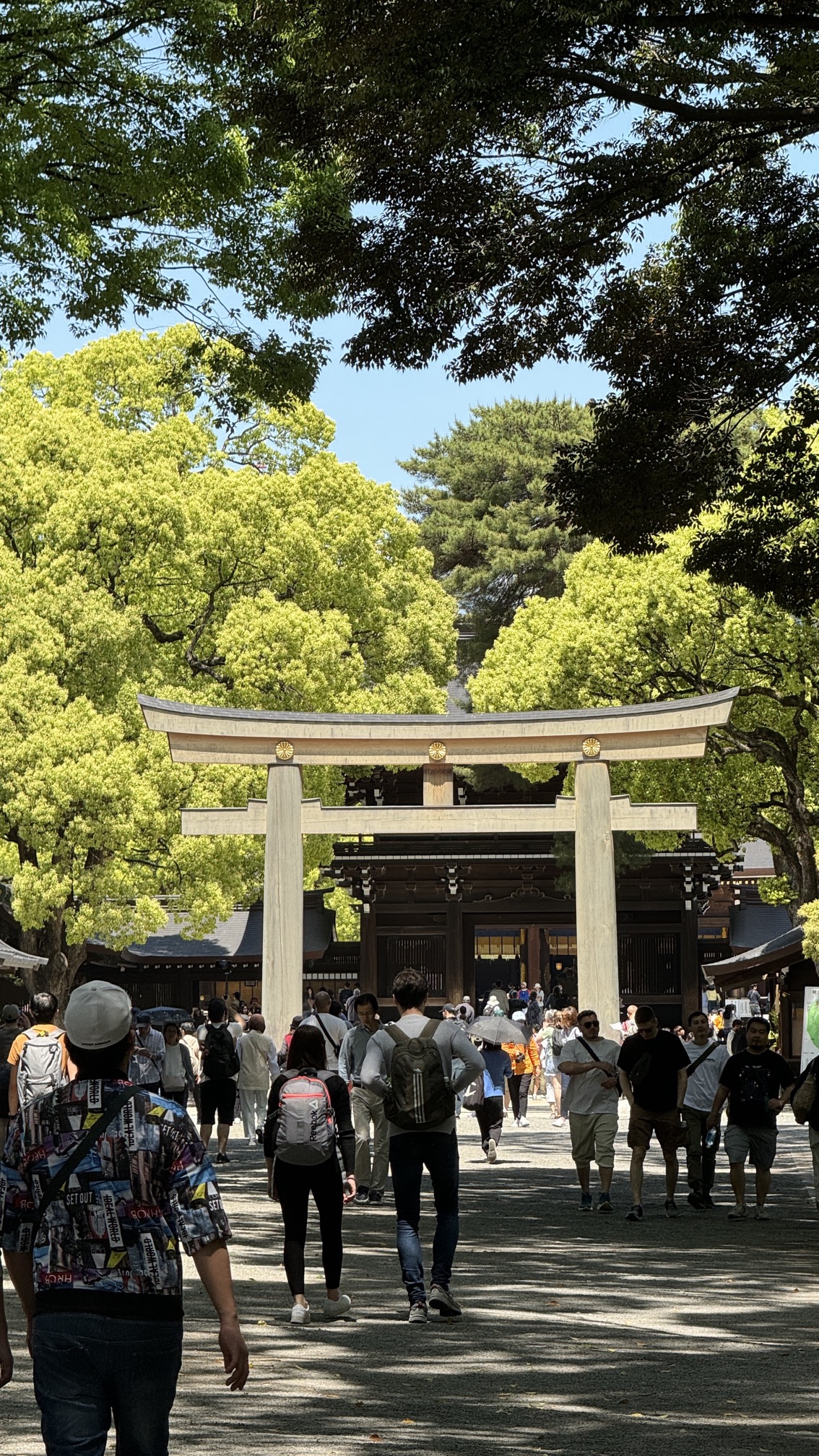
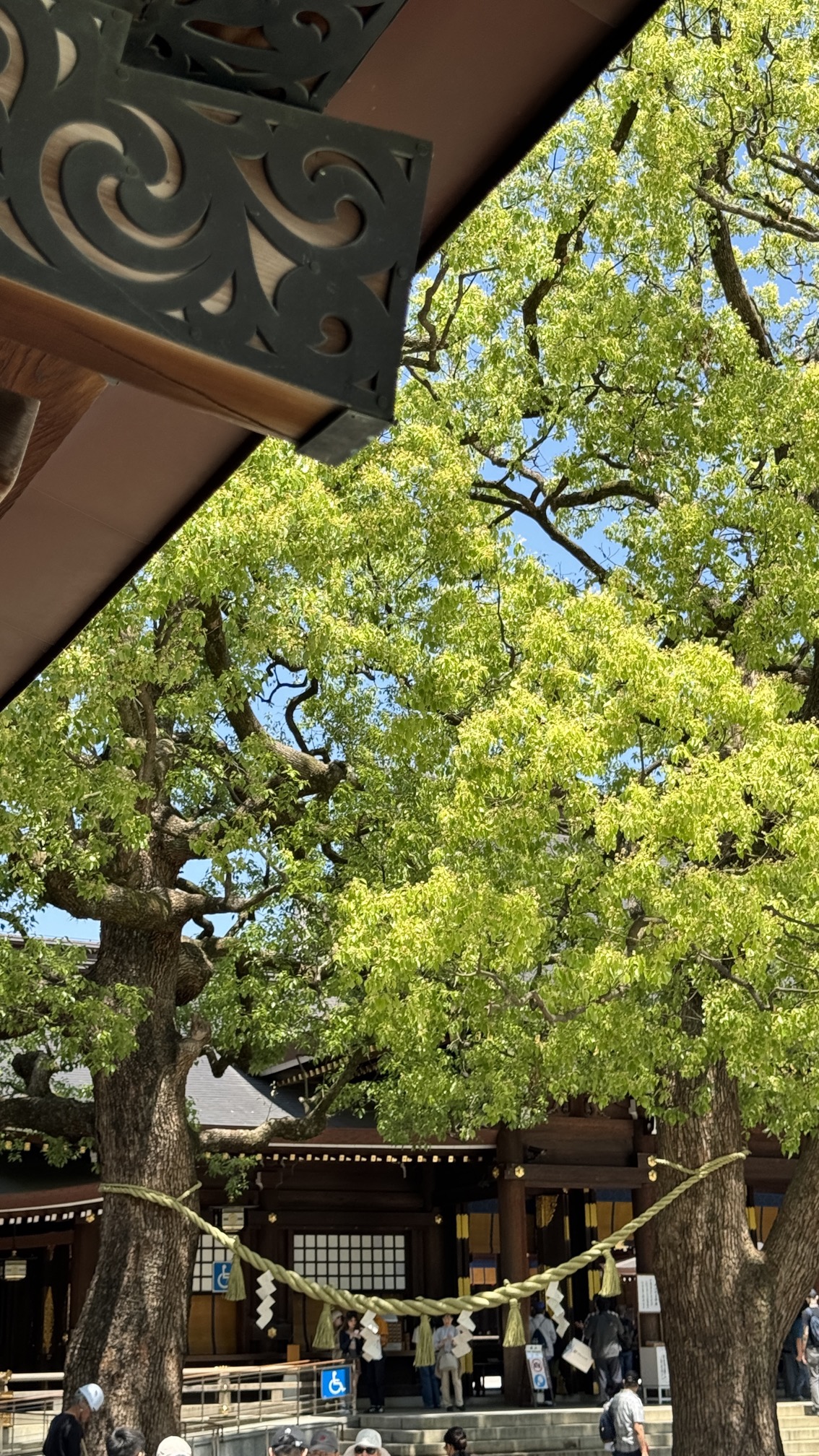
The spiritual counterpoint to Shibuya. A Shinto shrine sitting inside a forest of 100,000 trees, planted by hand a century ago, right in central Tokyo. We bowed at the shrine, wrote wishes on ema plaques, and walked the gravel paths feeling the city disappear.
teamLab Planets: art you walk through
Immersive digital installations where you become part of the piece — flowers bloom at your feet, light follows you, water ripples to your touch. Bring socks you don''t mind getting wet.
Tokyo, in small details
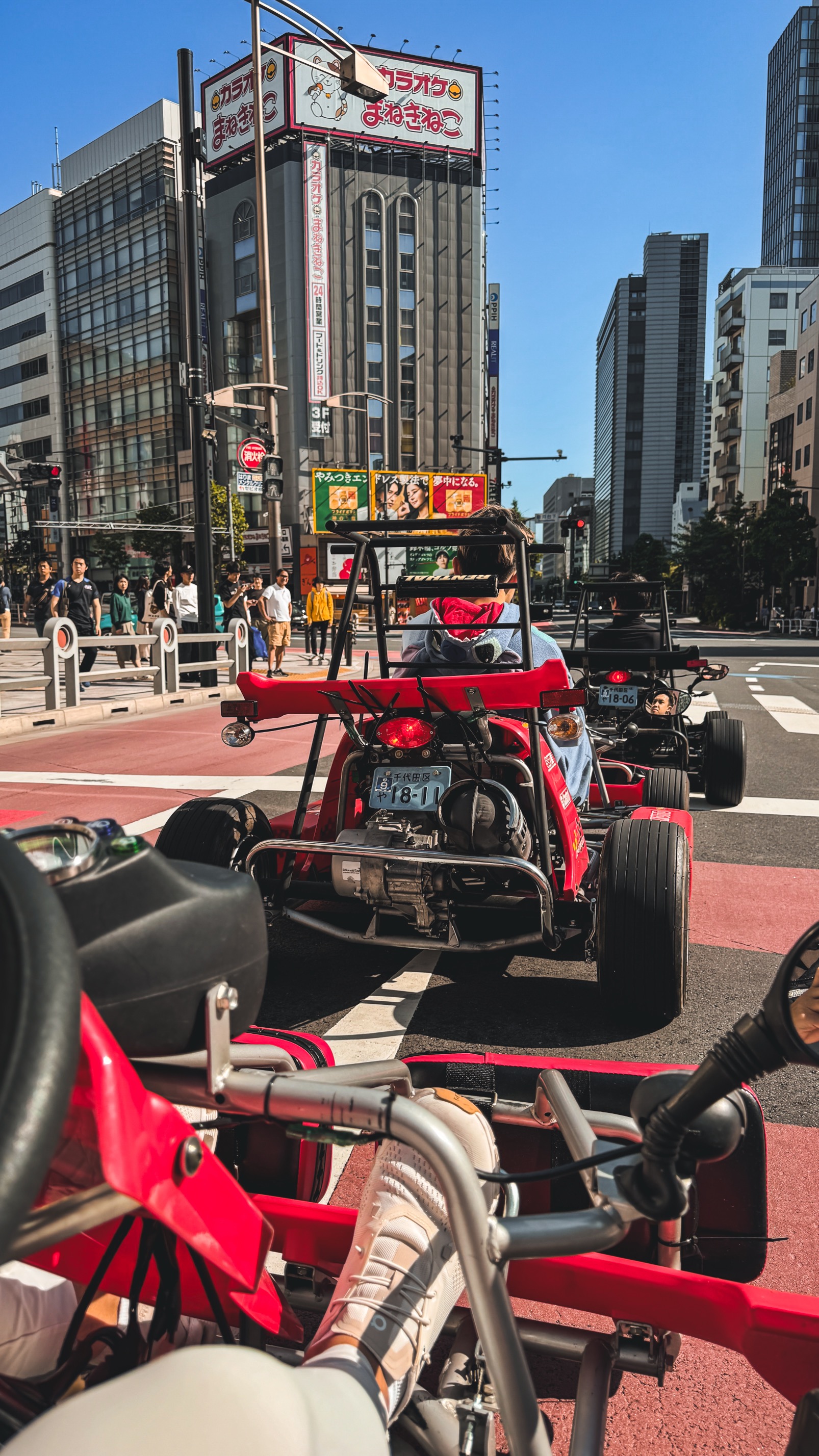
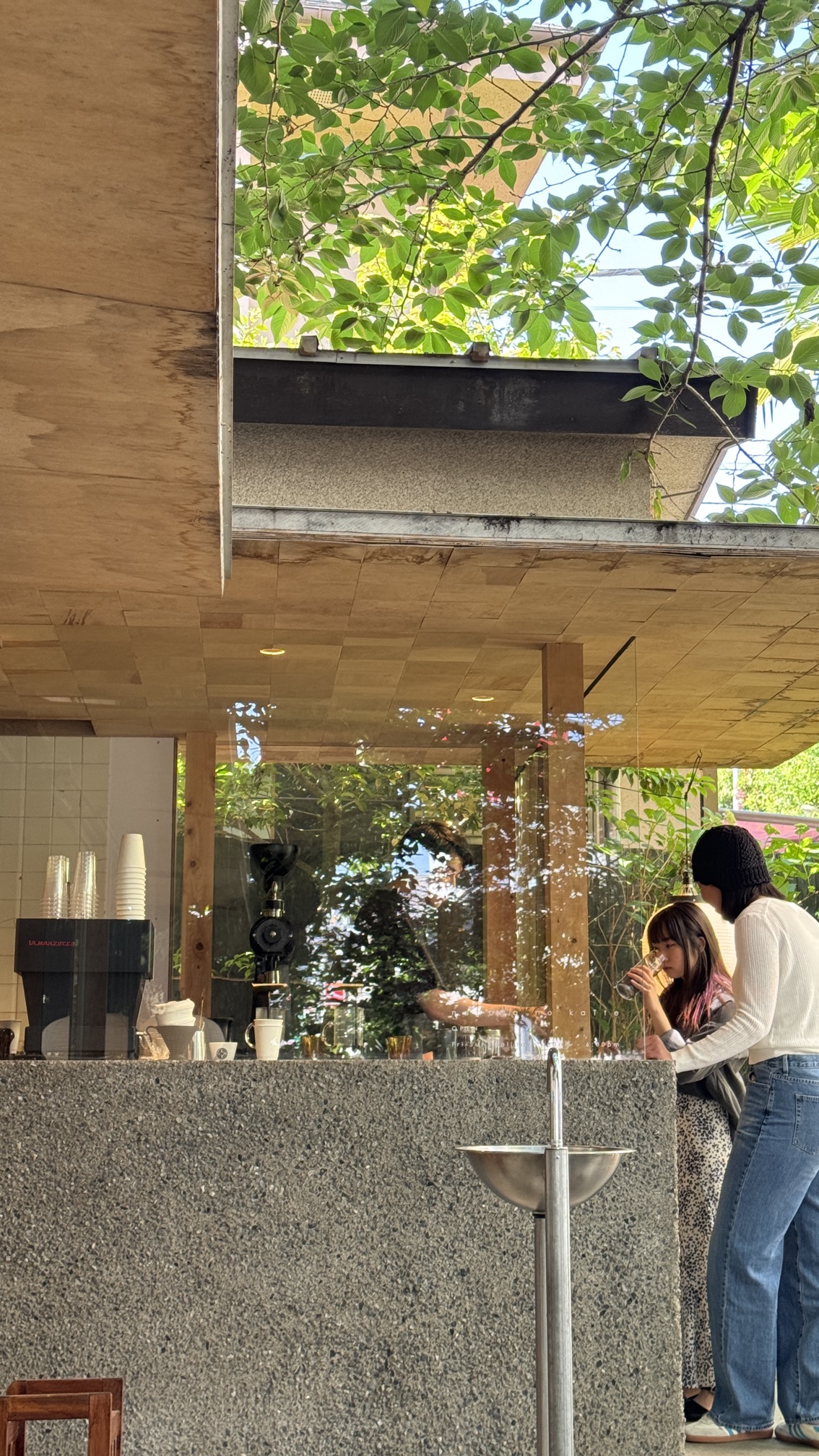
Mario Kart go-karting through Shibuya in costume (technically still legal, depending on who you ask). Harajuku for the fashion. Akihabara for the electronics rabbit hole. Tsukiji outer market for breakfast sushi. A different kind of adventure every two hours.
Tokyo highlights
- Shibuya Crossing — Watch from above, walk it once at night.
- Meiji Shrine — Go early, walk slowly.
- teamLab Planets — Book the timed entry in advance.
- Mario Kart tours — Yes, really.
- Akihabara & Harajuku — Two completely different Tokyos within walking distance.
What we loved: Tokyo is the perfect closing chapter. After three weeks of slowing down, the city dares you to speed back up.
How we planned the whole thing
Eighteen days, six regions, four travelers with different energy levels — this only worked because we kept the whole itinerary in one place. We used Plany to map every day to a calendar, drop saved Ideas (restaurants, shrines, viewpoints) directly into the right day, and share the live plan with everyone joining. No spreadsheets, no group-chat scroll-back, no "wait, what''s tomorrow?".
If you want to skip the spreadsheet stage, copy our exact itinerary as a starting point and rework it from there.
Ready for your Japan adventure?
Copy this 18-day itinerary into Plany. Adjust dates, swap stops, add your photos, and share it with everyone joining you — all on a calendar that actually works.
Copy this itinerary to PlanyFAQ
How many days do you actually need for Japan the first time?
Two weeks is the sweet spot. Eighteen days let us add the Japanese Alps and Hokkaido without rushing Kyoto or Tokyo. If you only have ten days, drop Hokkaido and keep the Alps — that''s the leg that surprised us most.
Best time of year to do this route?
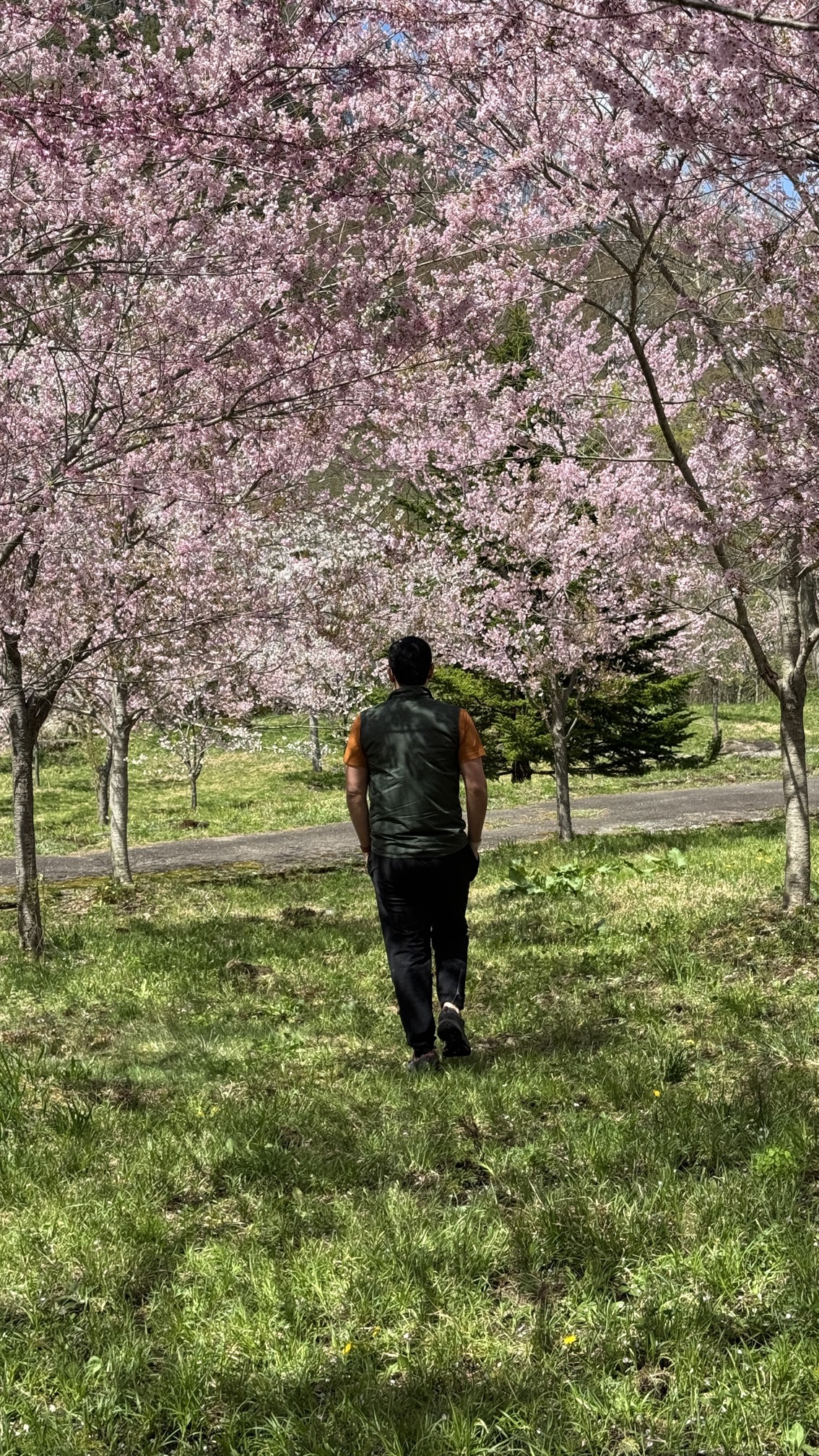
Late April to mid-May (our window) gives you the tail of cherry blossoms in Kyoto, full bloom further north, snow still on the alpine peaks, and Shikisai flowers starting in Hokkaido. October is the second-best window for autumn colours.
How do you handle moving between regions?
Mix Shinkansen (Kyoto ↔ Kanazawa ↔ Tokyo) with a rental car for the Alps leg. Hokkaido is fly-in/fly-out from Tokyo. We tagged the transport day-by-day inside the Plany trip so nobody had to guess.
Can we copy your exact itinerary?
Yes — that''s the whole point. The trip lives as a public Plany itinerary; tap "Copy to Plany" on any of the buttons above, change the dates to your own, swap stops, and share it with whoever''s coming.
Plany Team
Writing about travel planning, AI-powered itineraries, and building better tools for travelers at Plany.
Start planning your next trip — free
Drag, drop, and organize your itinerary on a visual calendar. Add AI suggestions, photos, and share with friends.
Get Started FreeGet travel planning tips
Join our newsletter for trip planning guides, destination ideas, and Plany product updates.