Summiting Mount Fuji: Planning the Perfect Climb
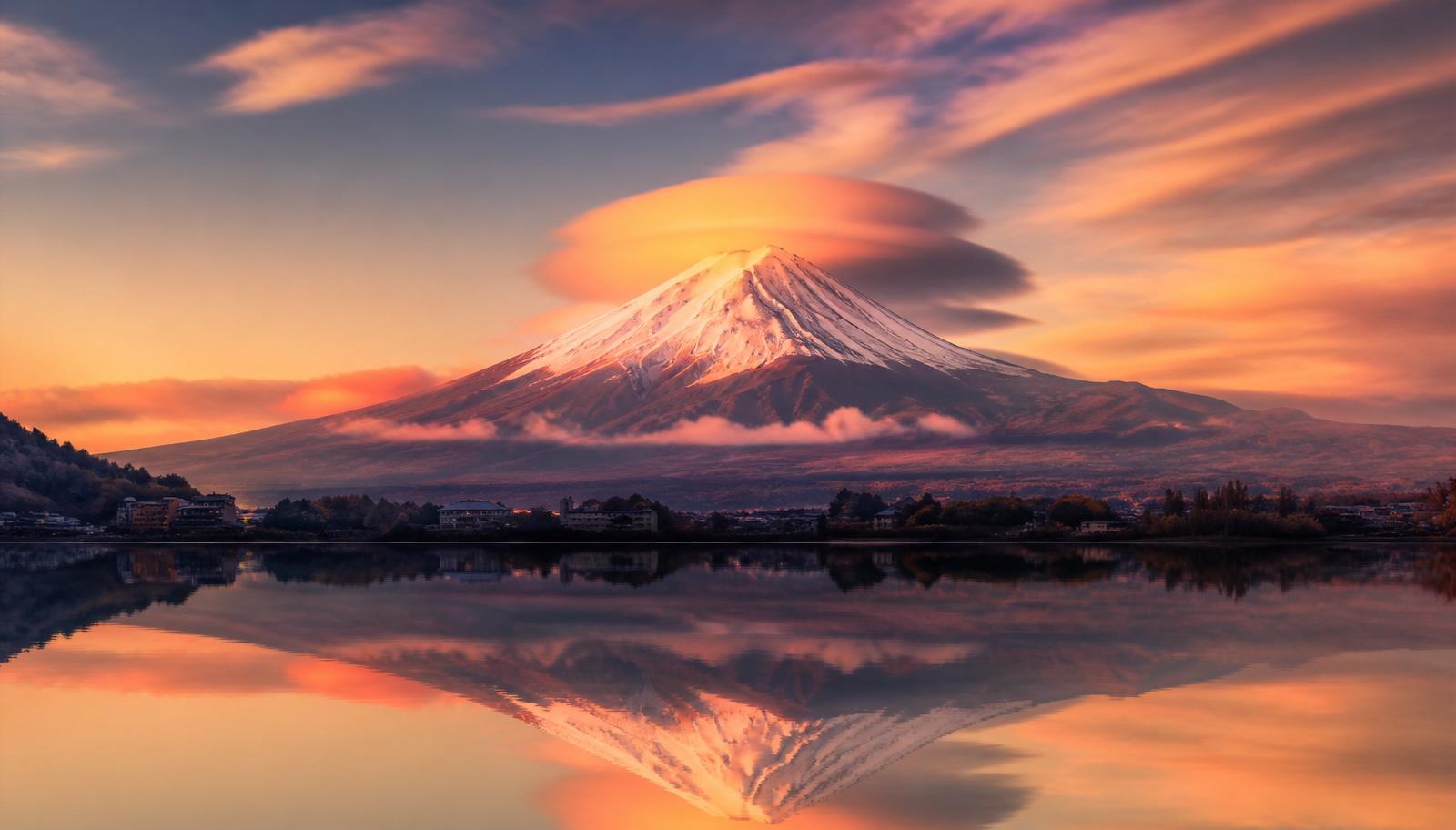
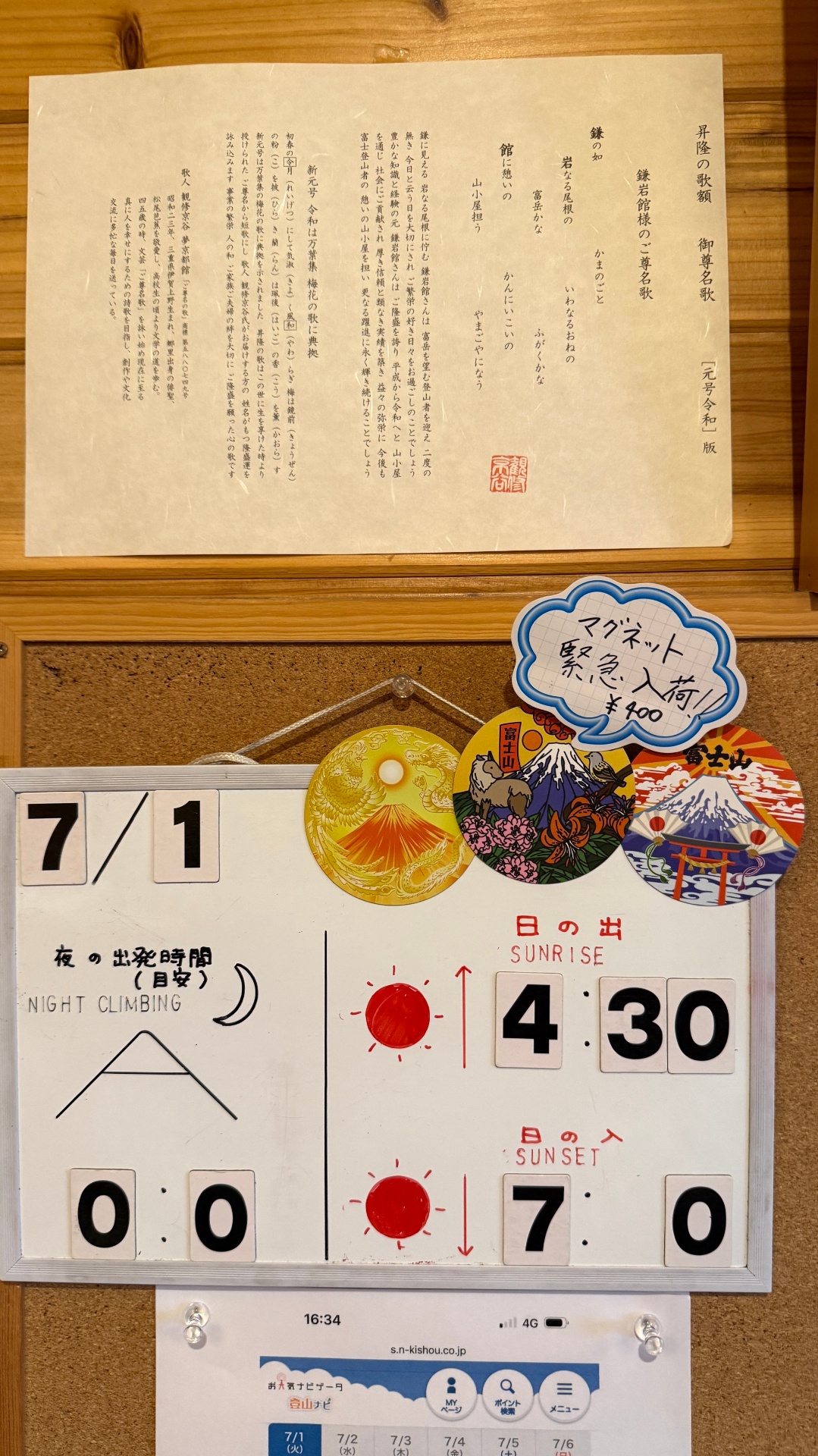
Mount Fuji opens to climbers on July 1st each year and stays open until sometime in September, depending on the weather. We timed our visit for opening day — the quietest moment of the season, since it had just begun. The park is open from early morning, but entry is restricted after 1:00 PM unless you have a hotel reservation, which we did.
This is the story of how we climbed Japan's most iconic mountain without the 3 AM rush, the summit queues, or the exhaustion — by planning it like an unhurried experience instead of a race.
Want this itinerary? Copy it into Plany and customize it for your dates.
Copy to PlanyChureito Pagoda: The Classic Fuji View
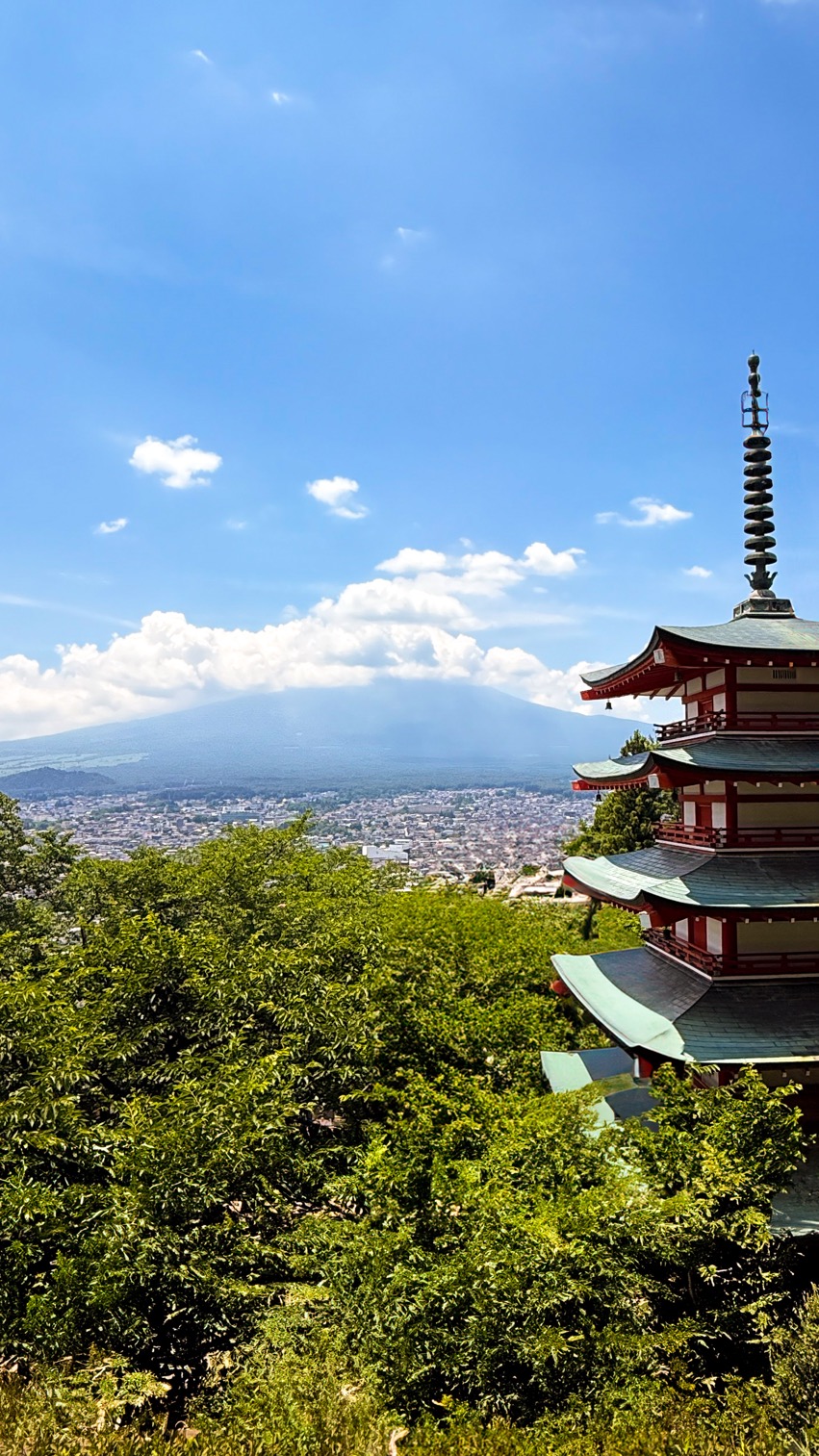
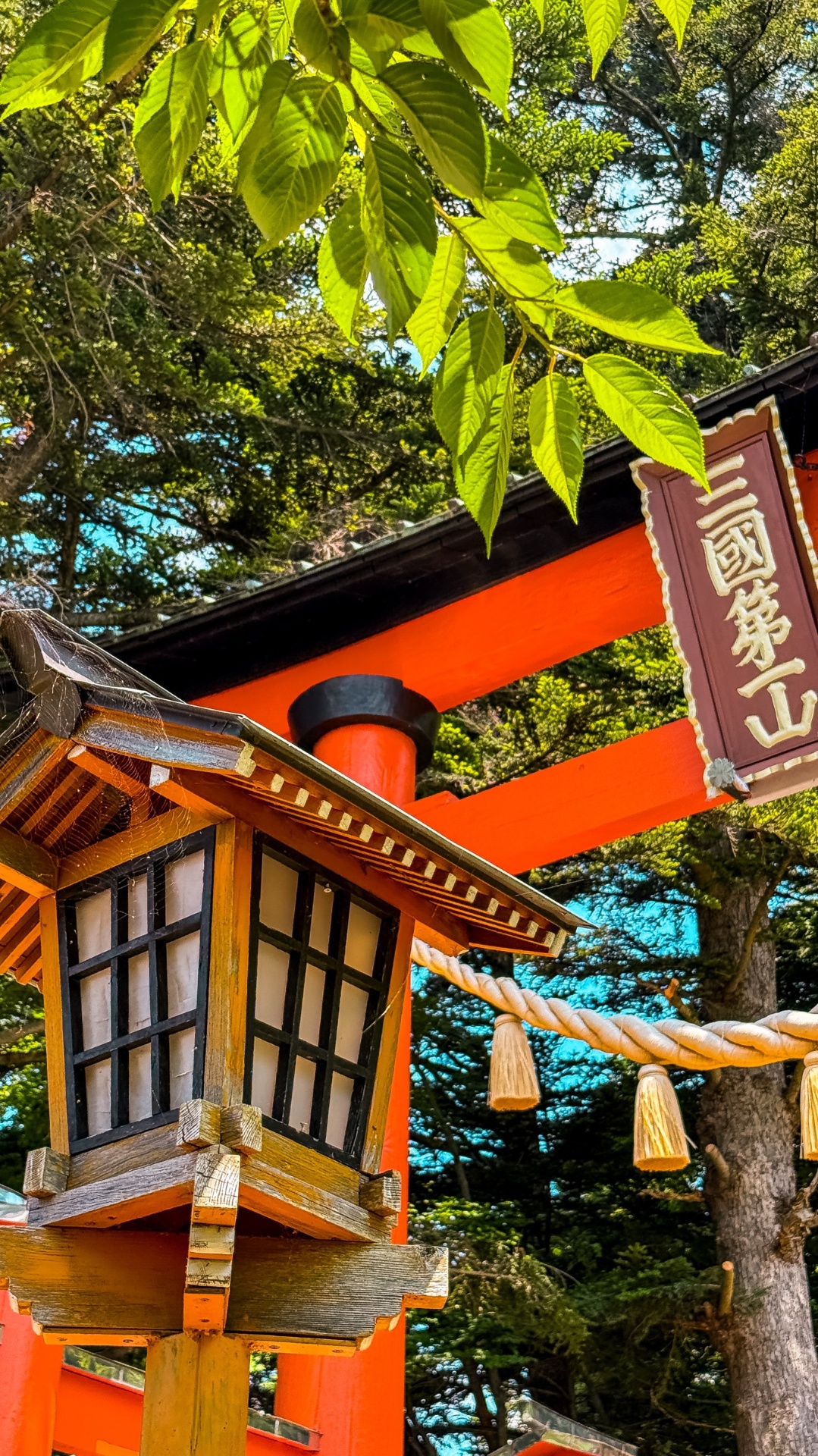
Our first stop on arrival was Chureito Pagoda — that postcard view of a traditional Japanese pagoda framed against Mount Fuji. It's genuinely as beautiful as the photos suggest, especially with the mountain looming behind the red tiers of the pagoda.
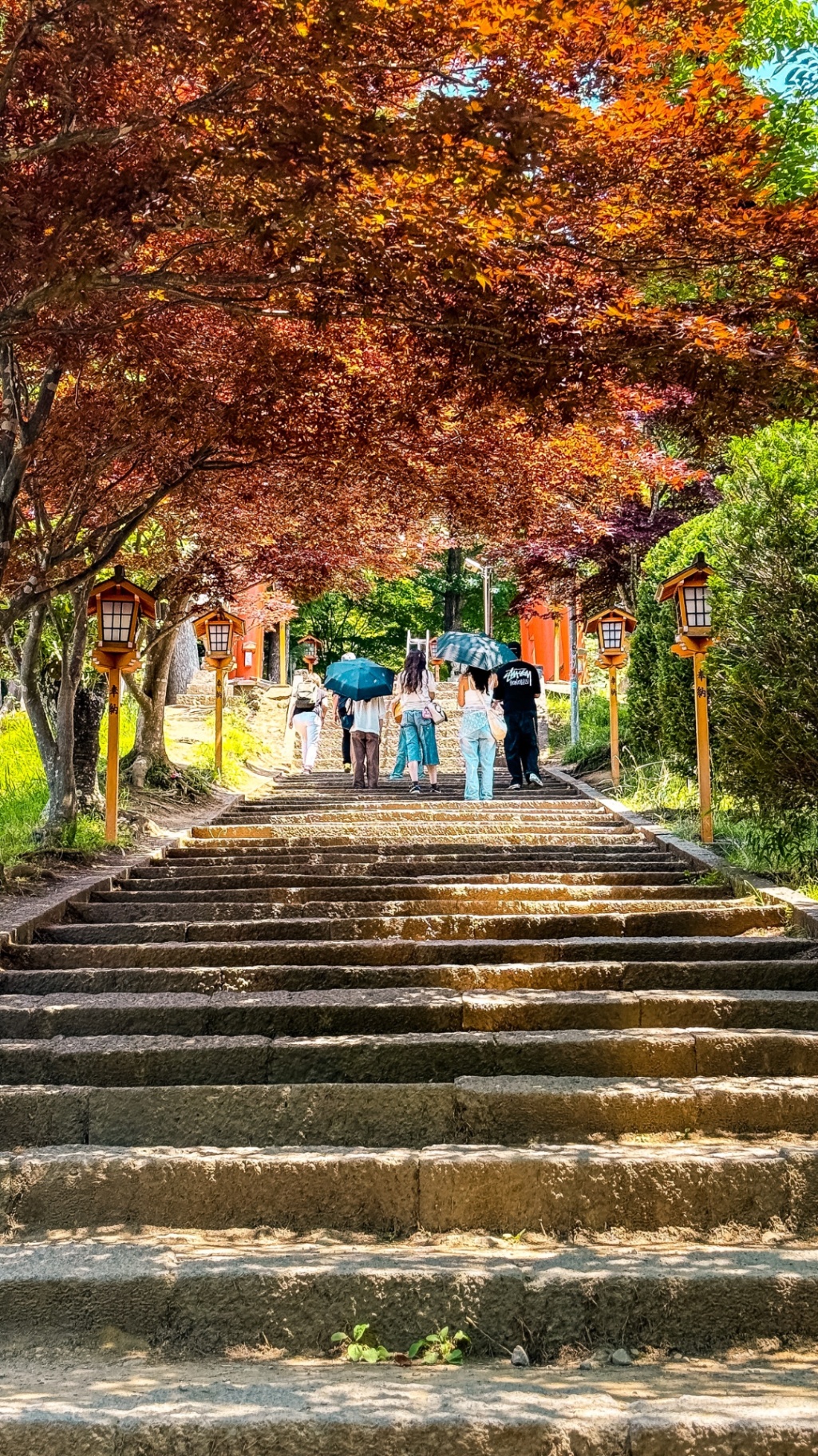
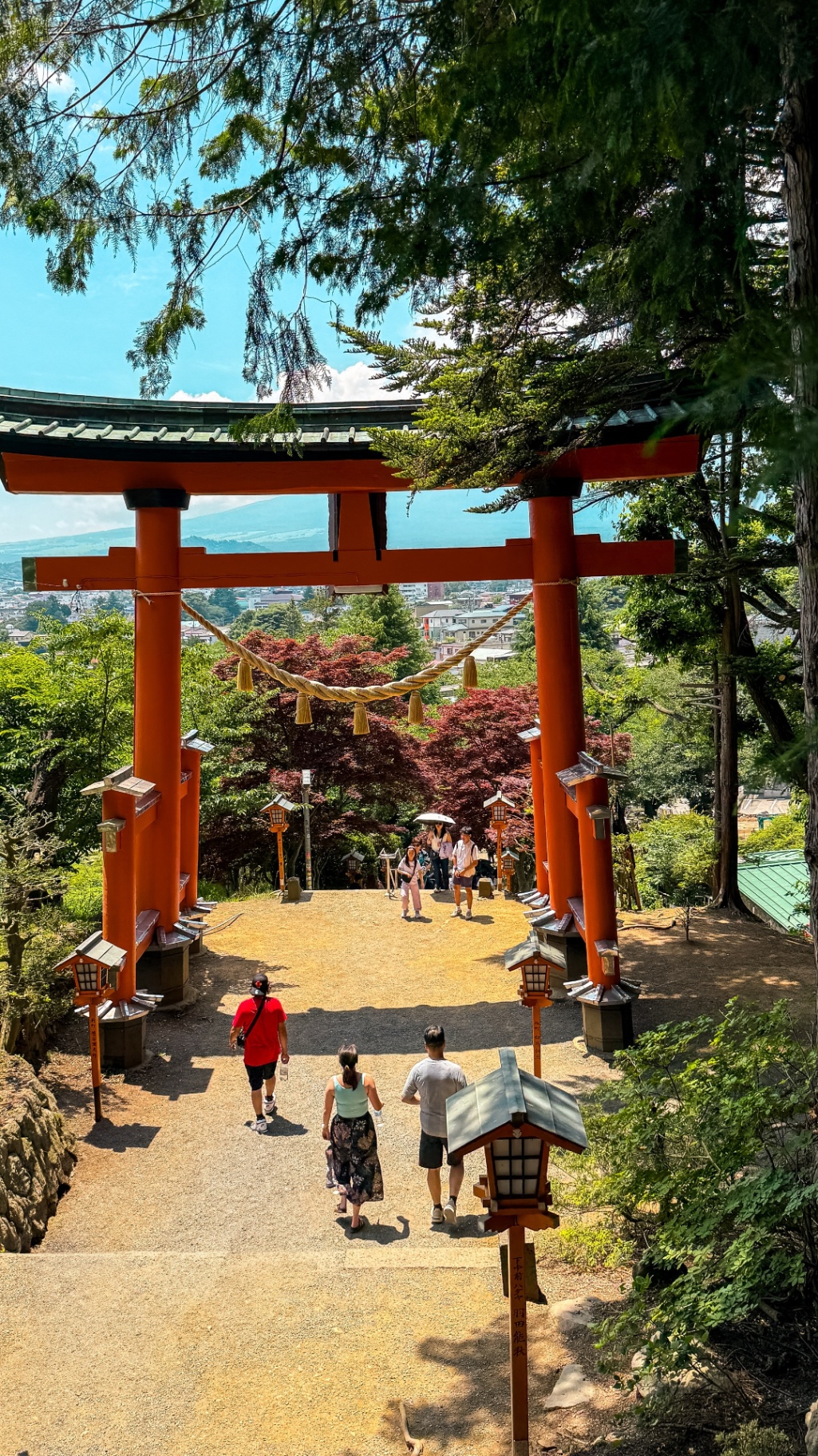
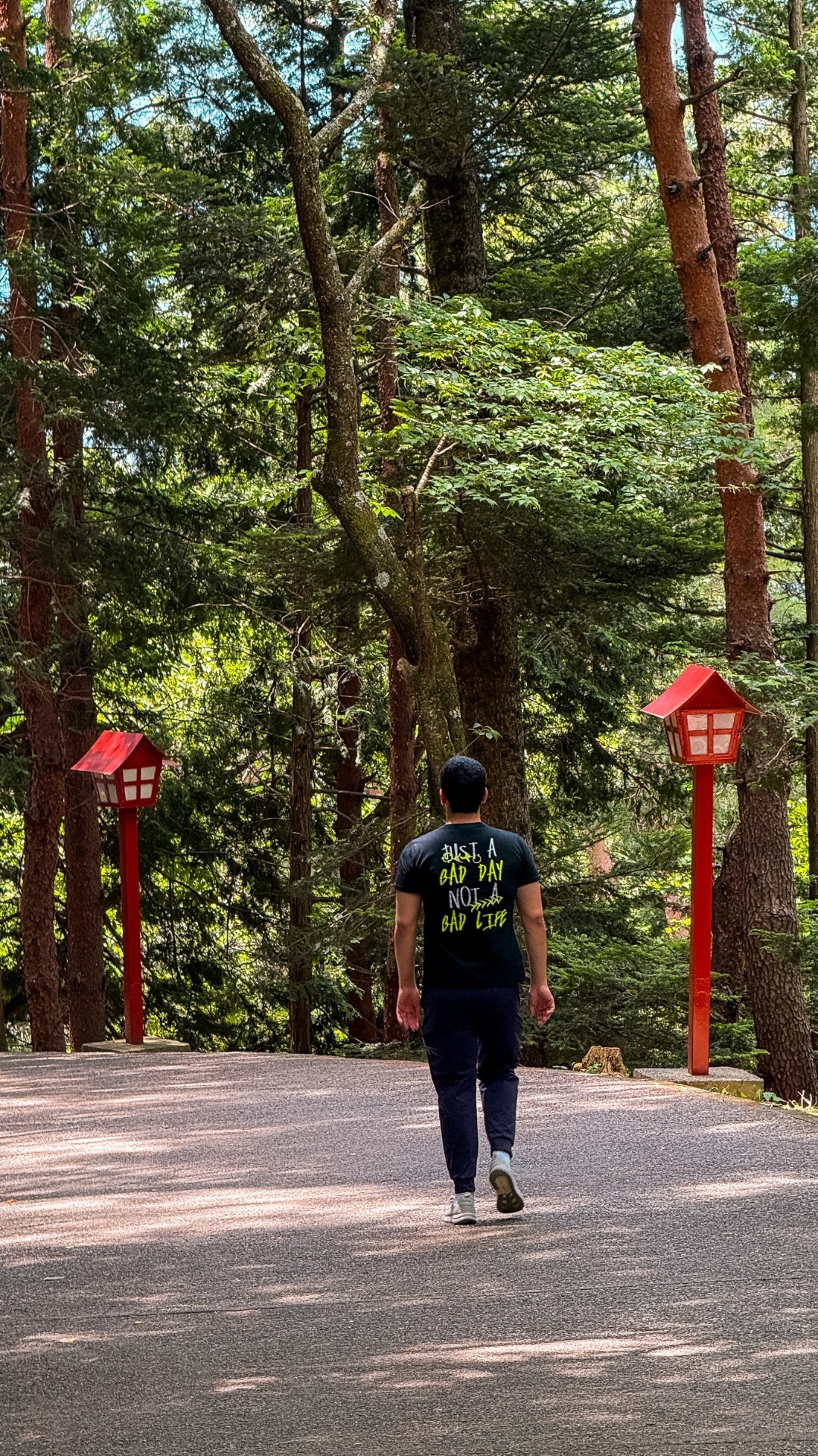
Fair warning: getting up there is a proper uphill hike of stone steps. Take it nice and easy, pause at the landings, and enjoy the forest as you climb. There's no rush — the view rewards a slow pace, and it's a gentle way to start acclimating your legs before the real mountain.
Kawaguchiko: A Calm Town Before the Mountain
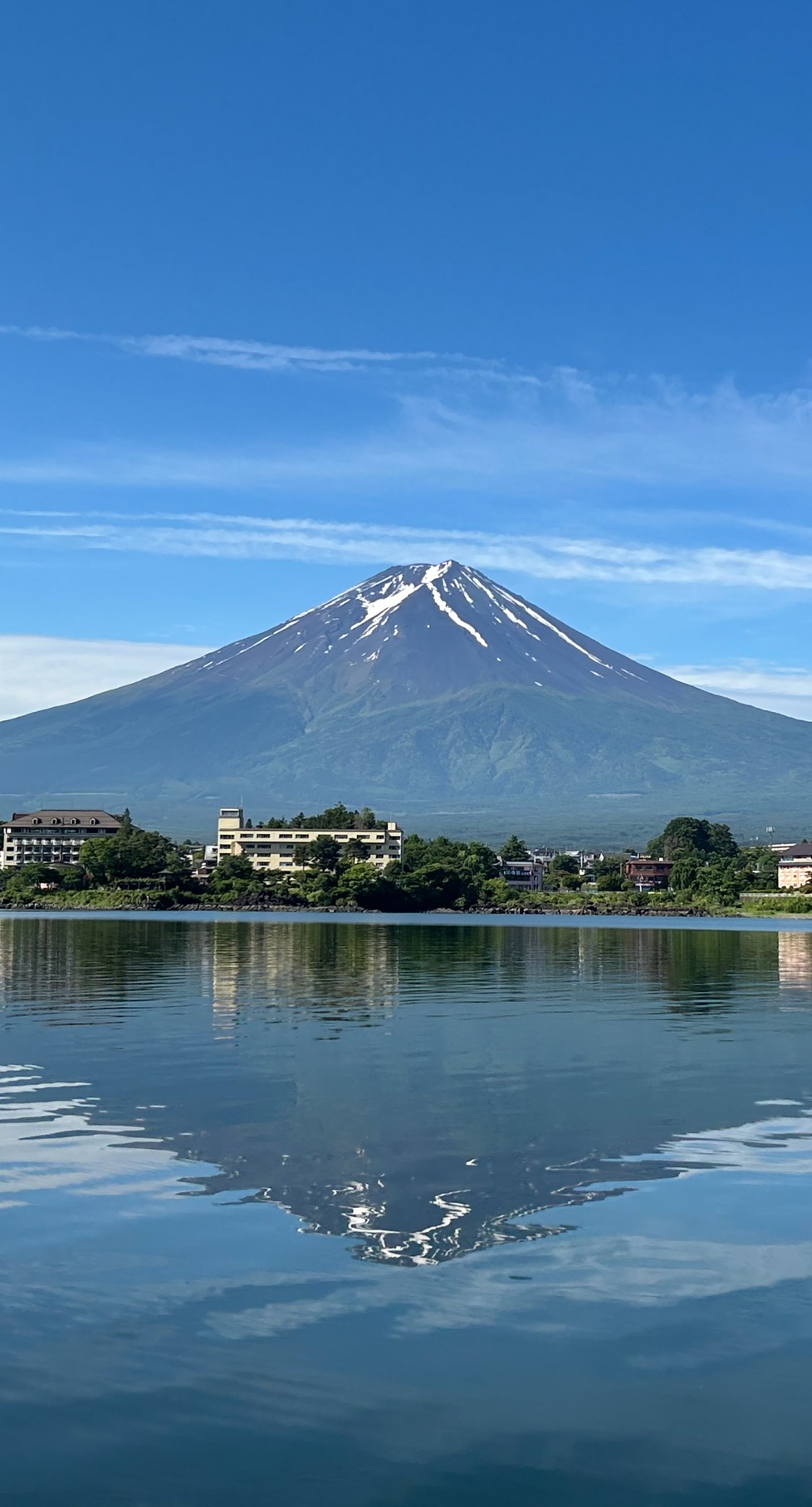
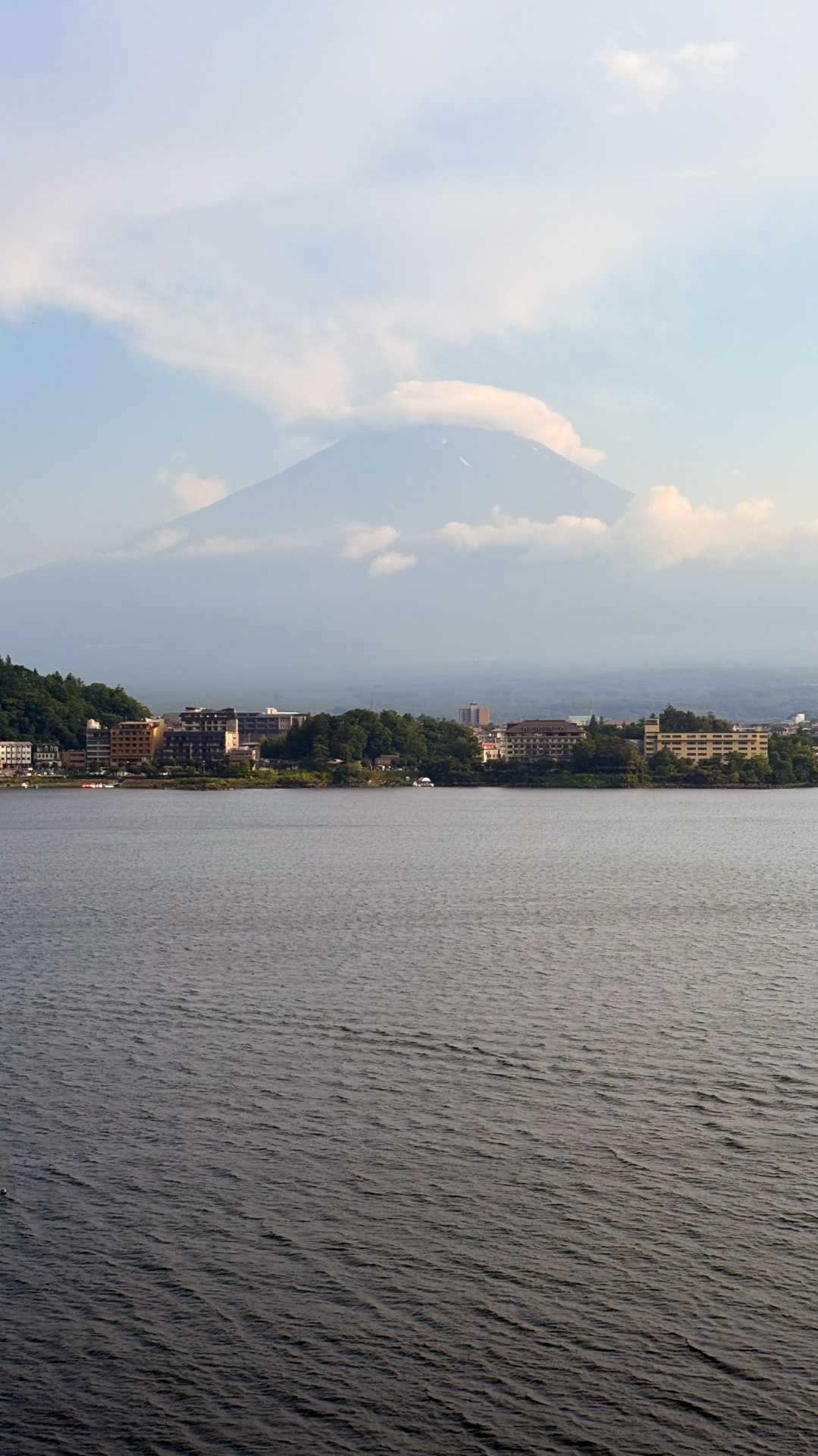
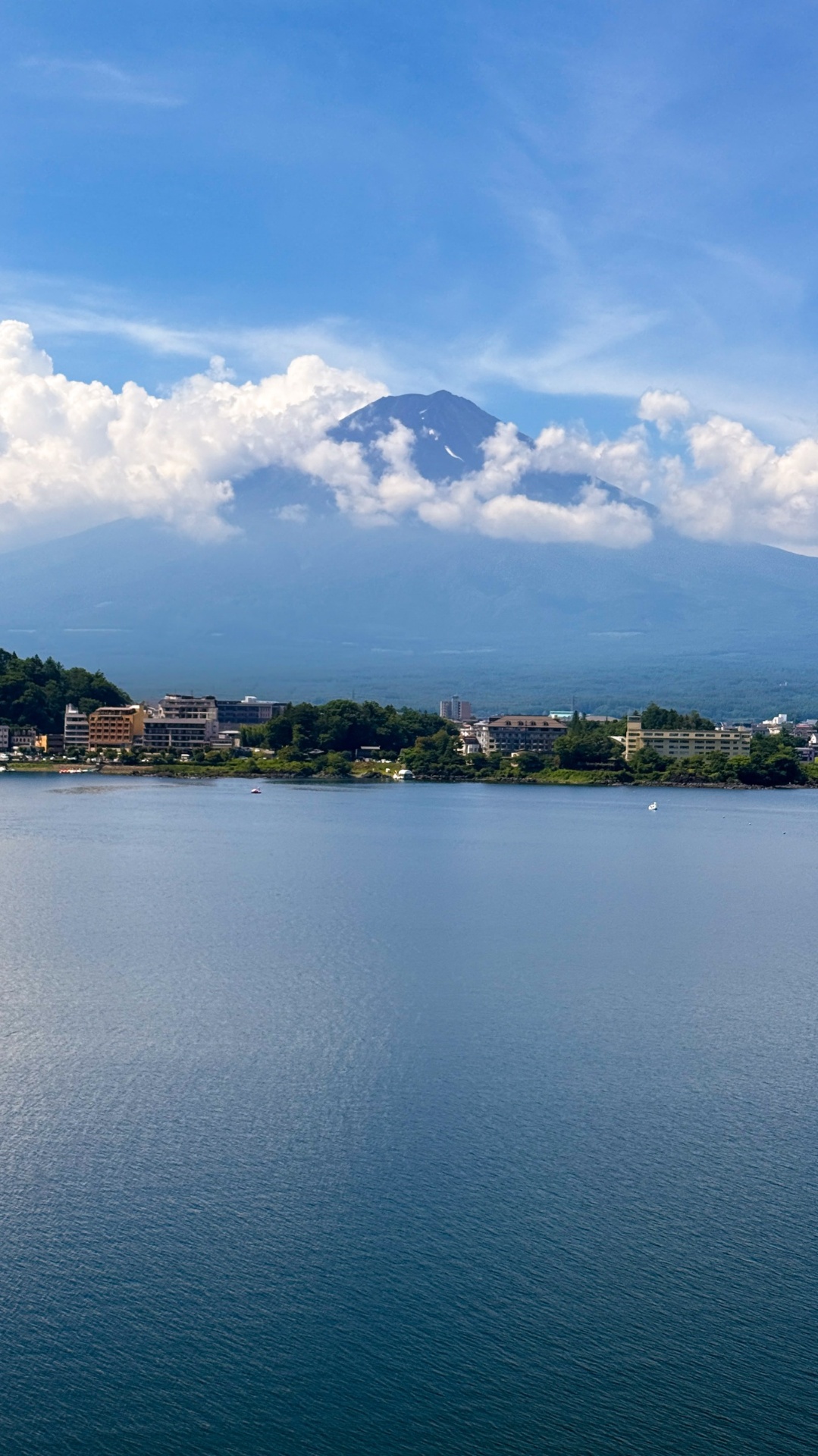
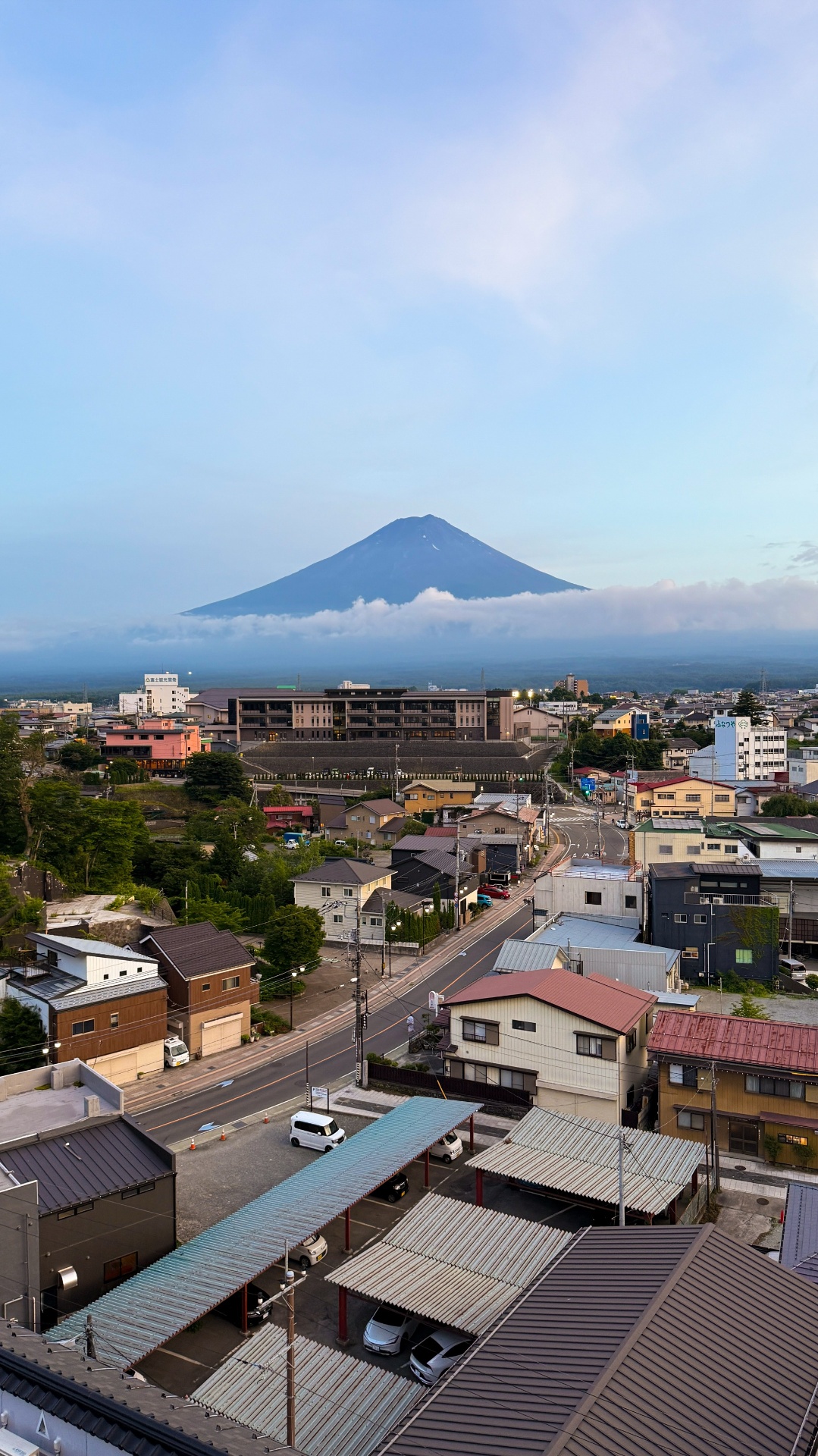
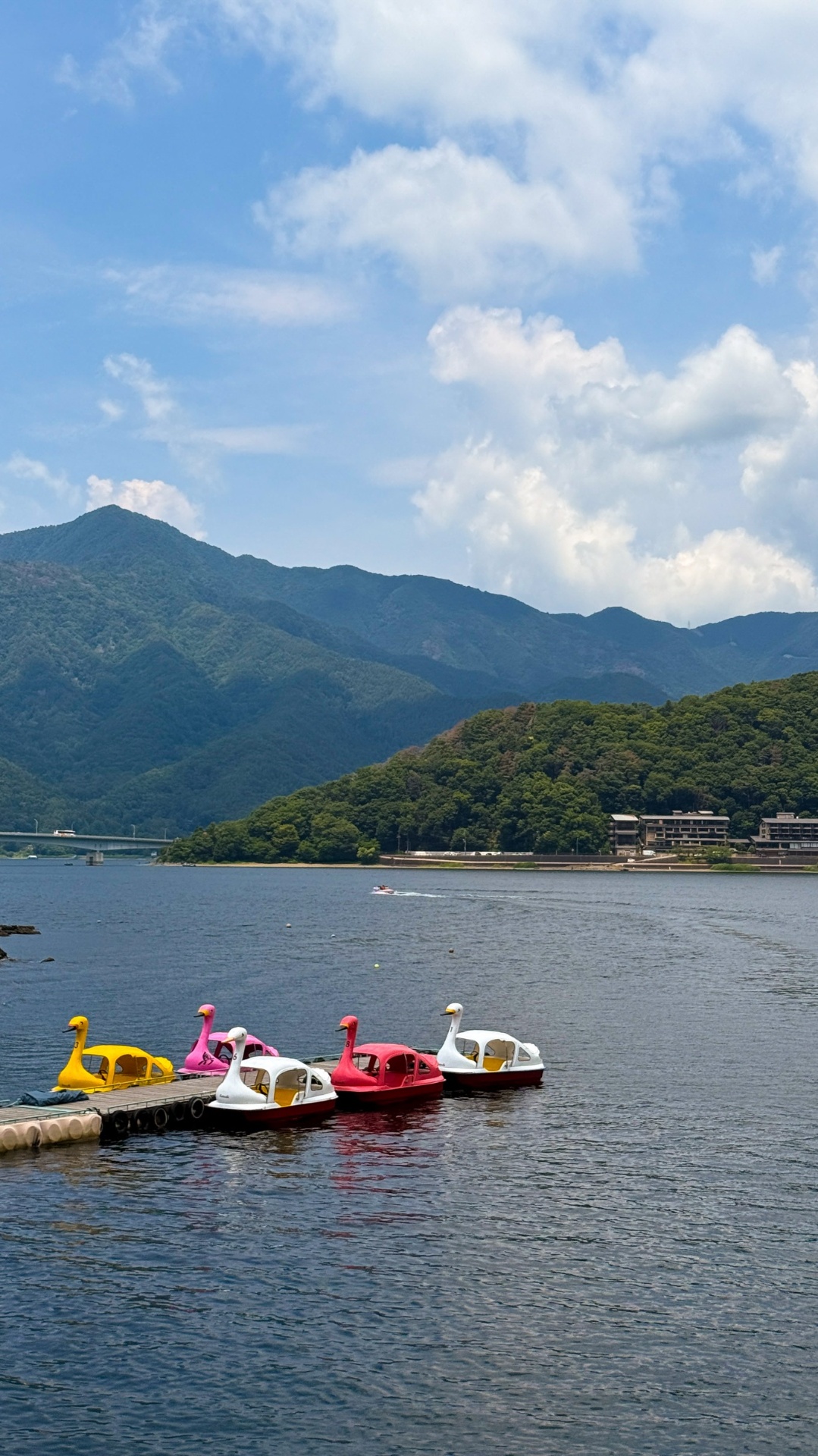
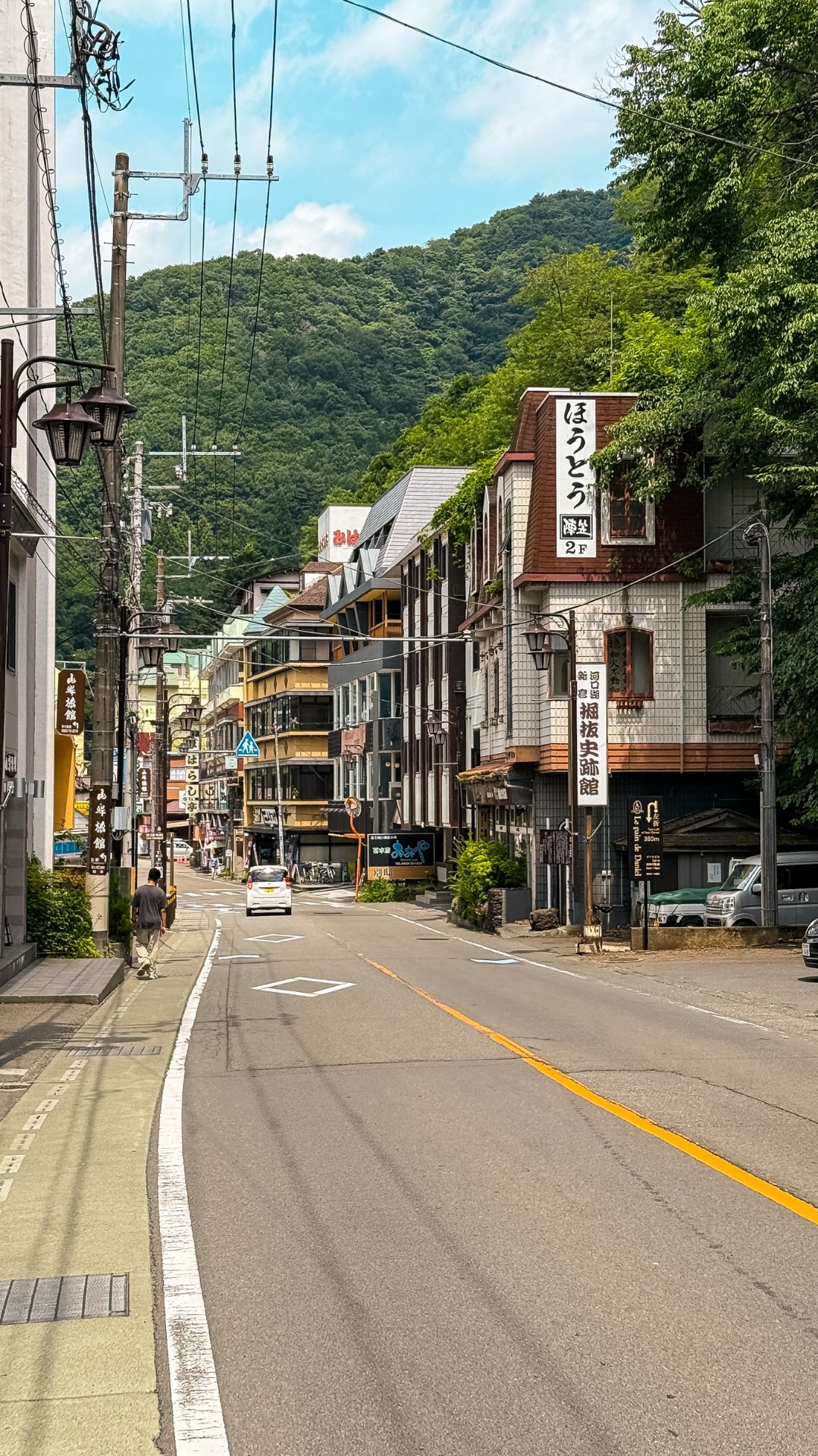
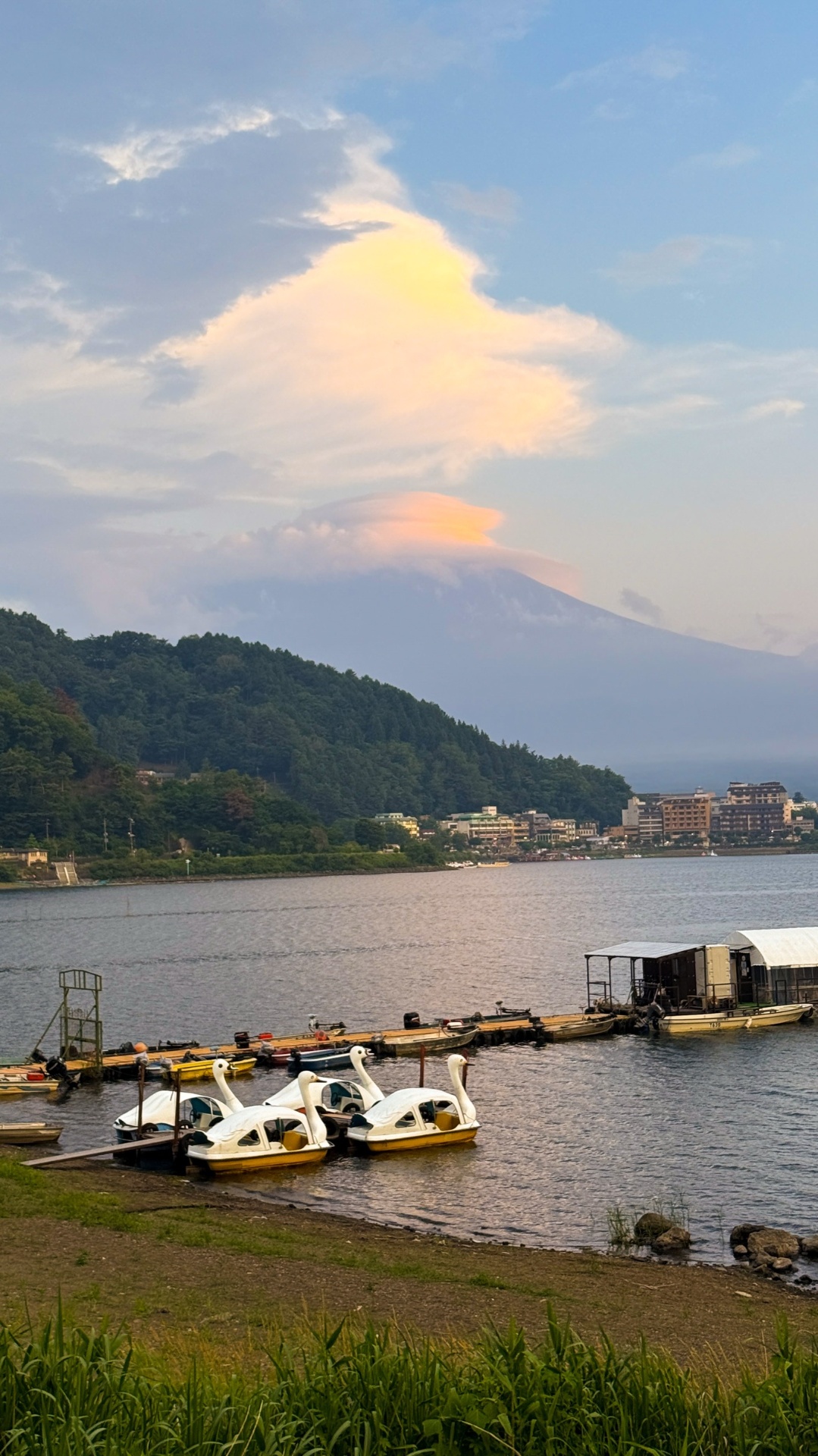
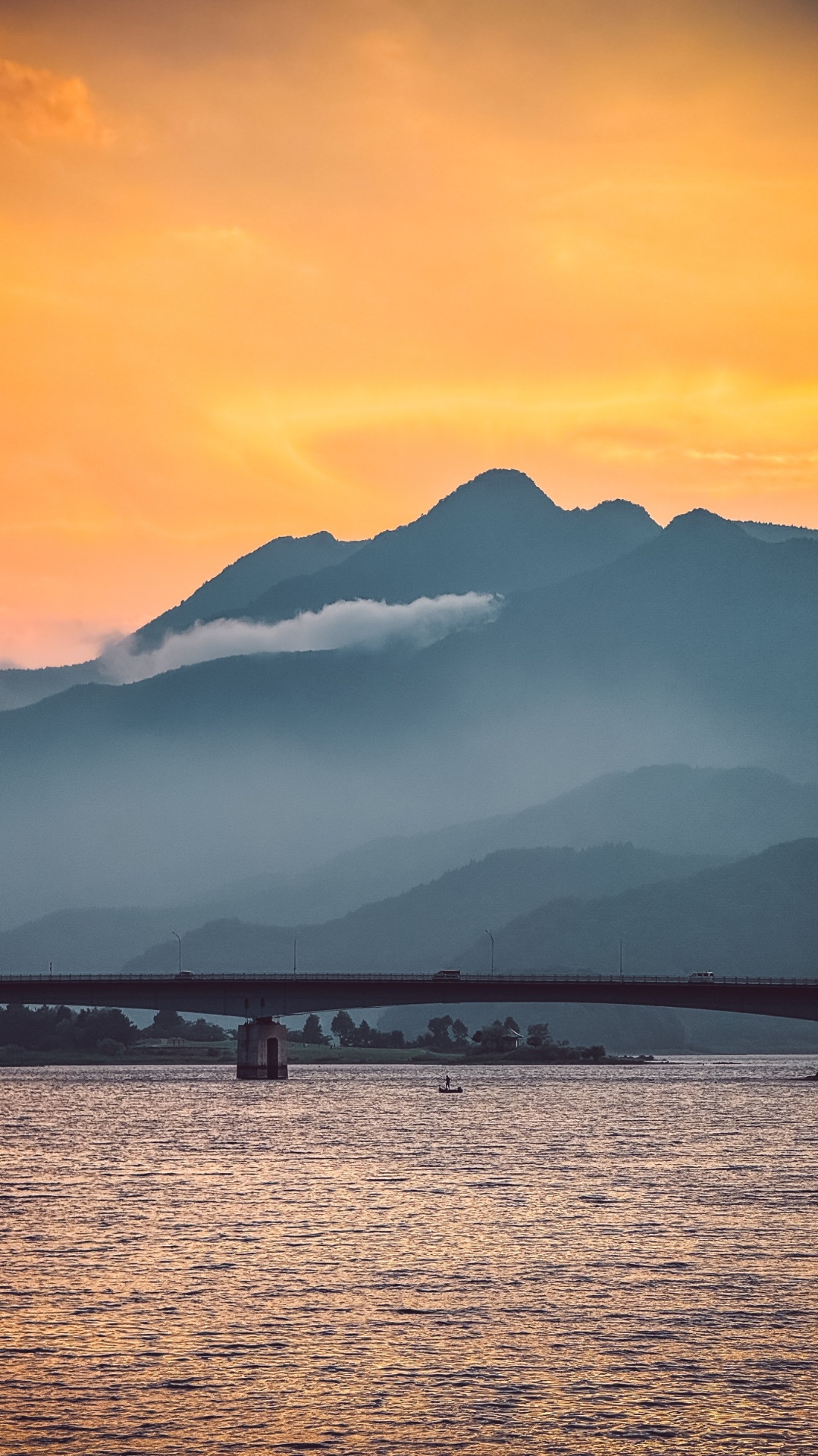
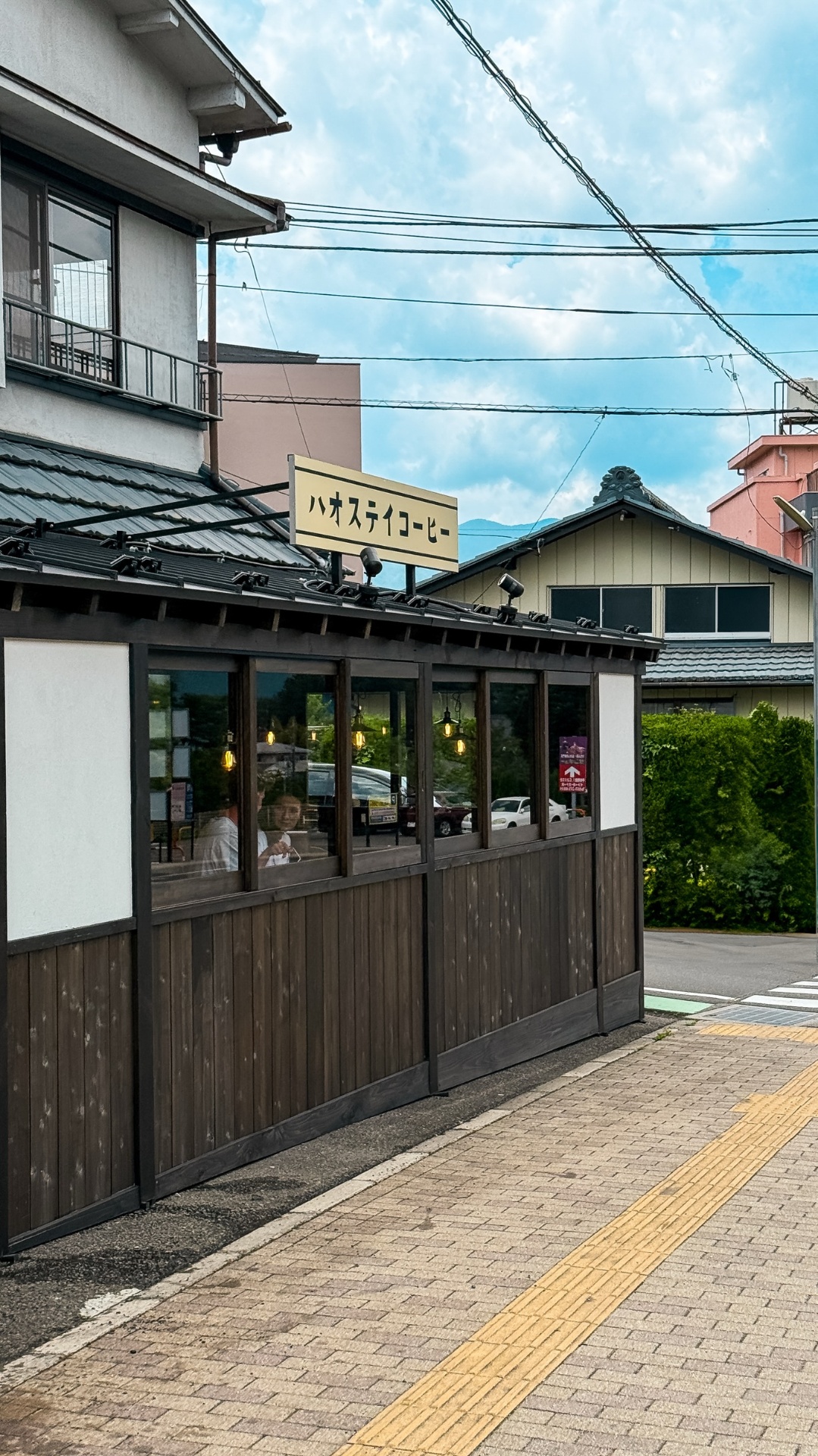
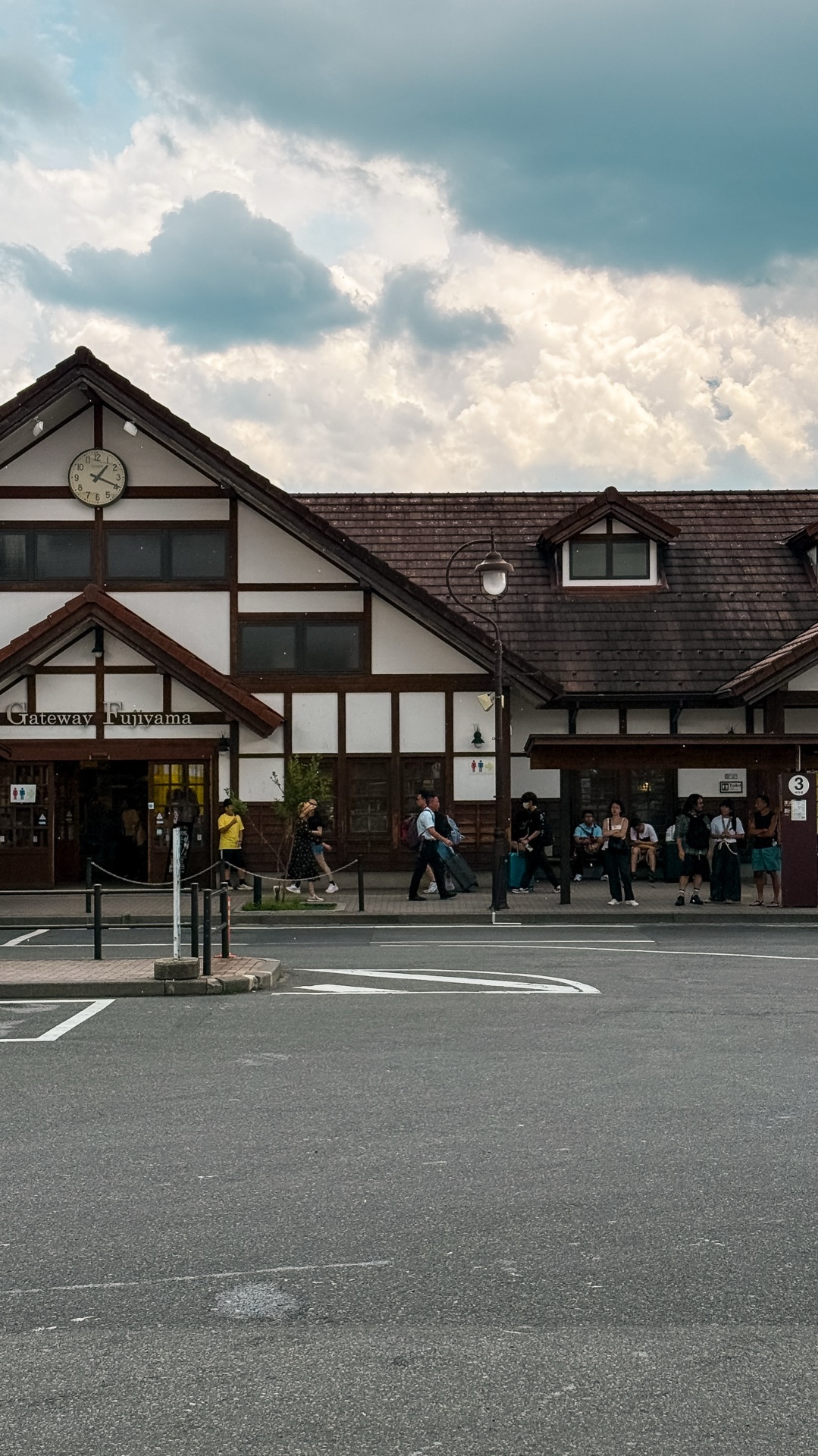
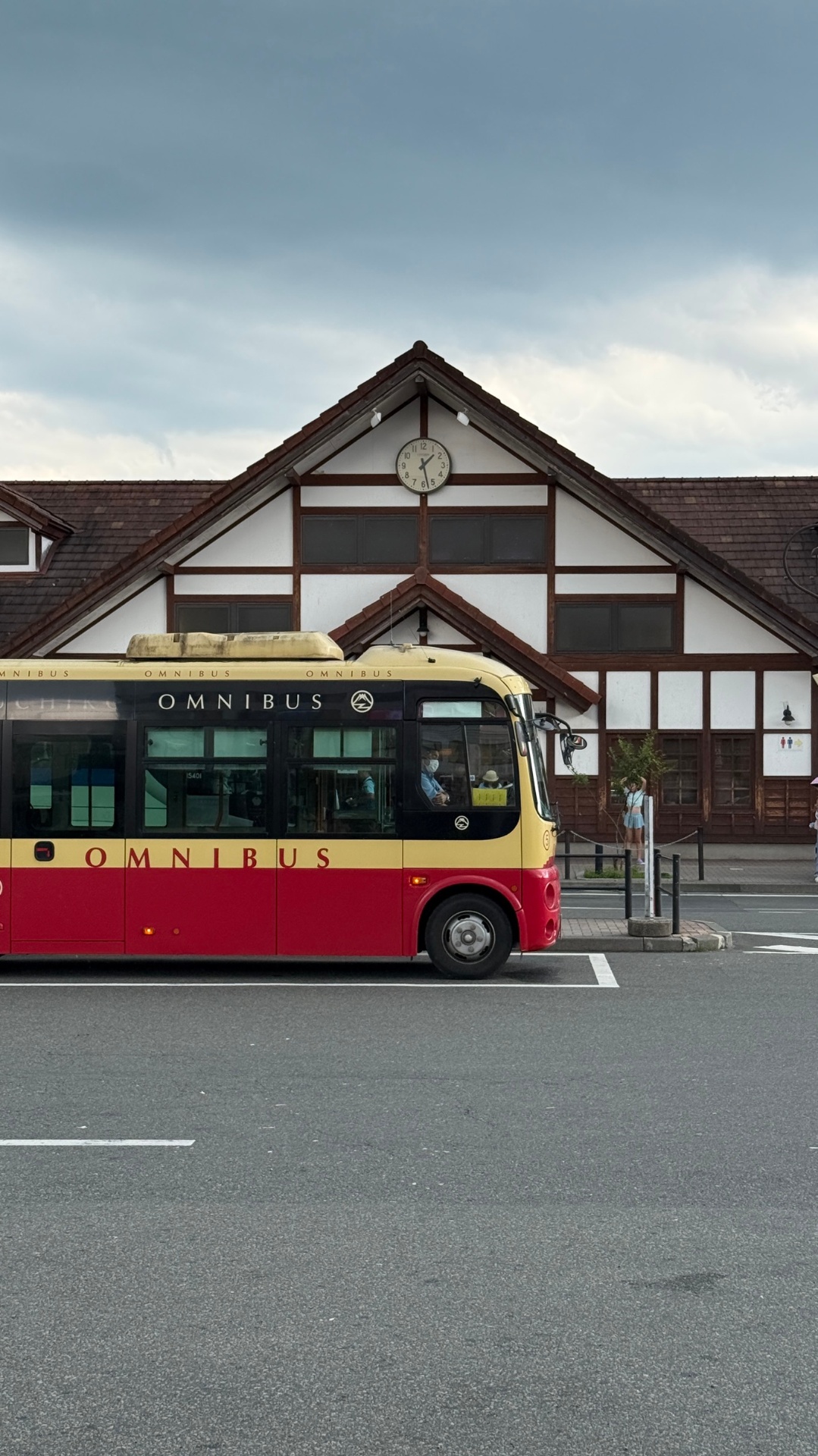
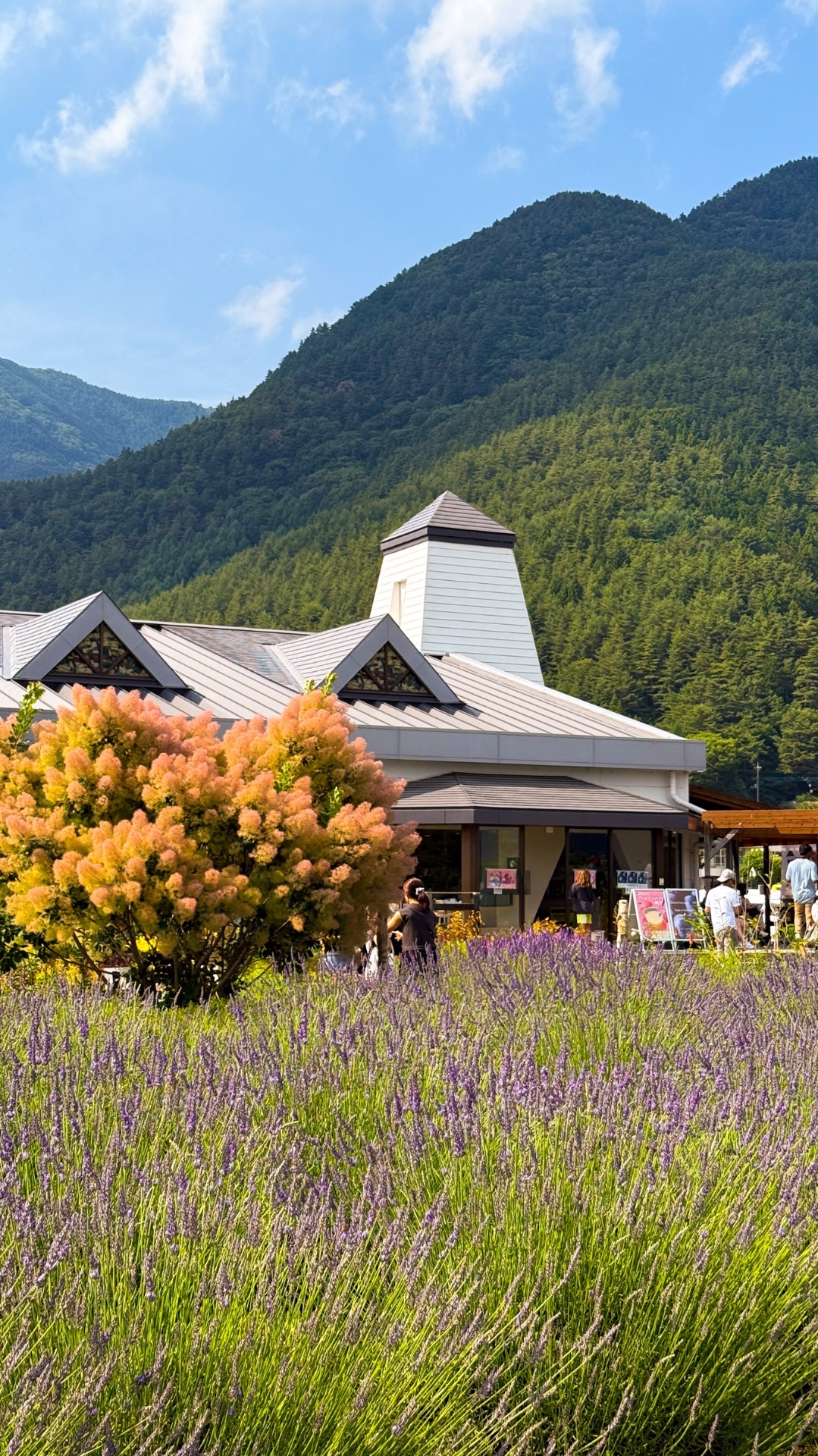
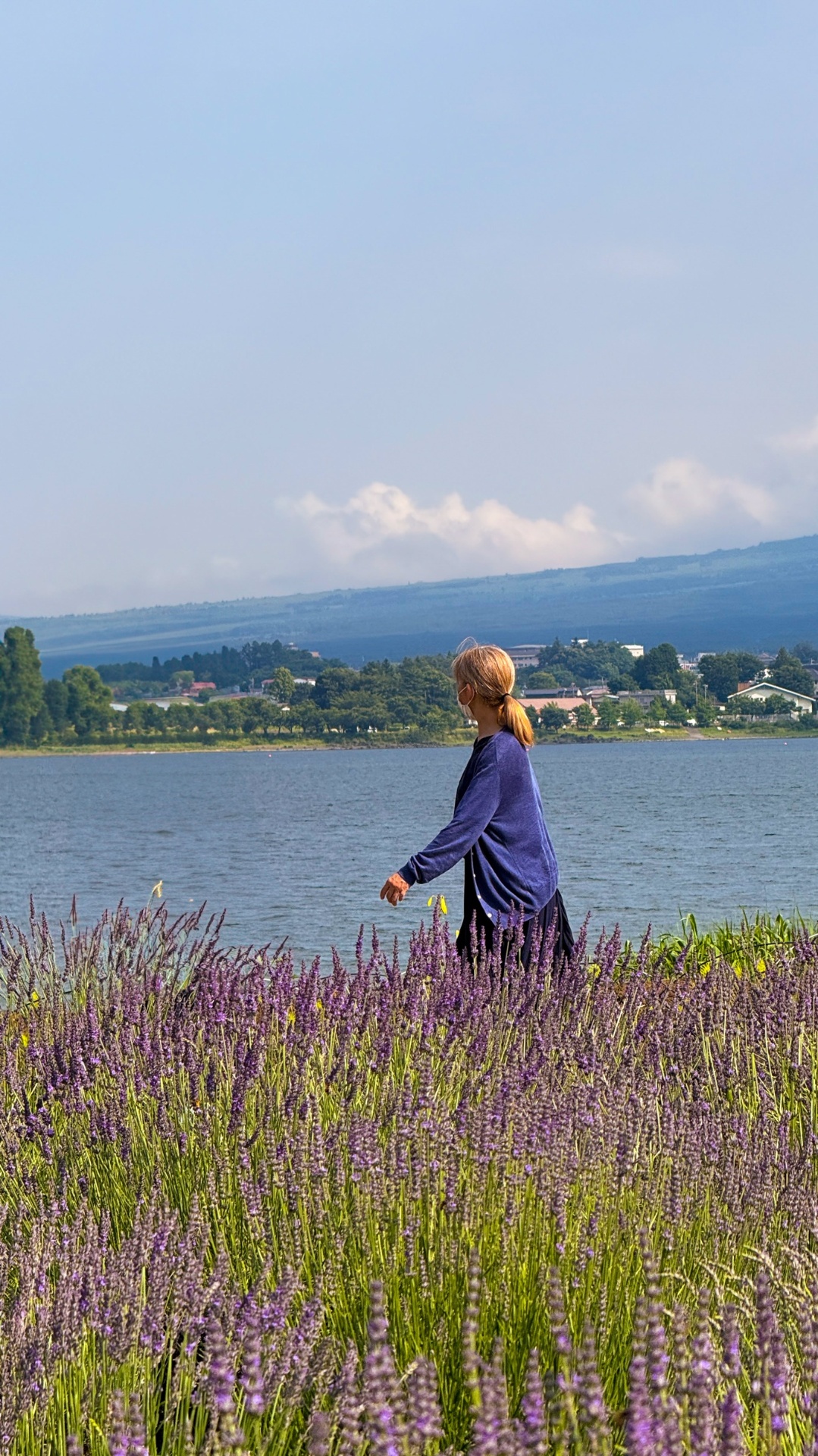
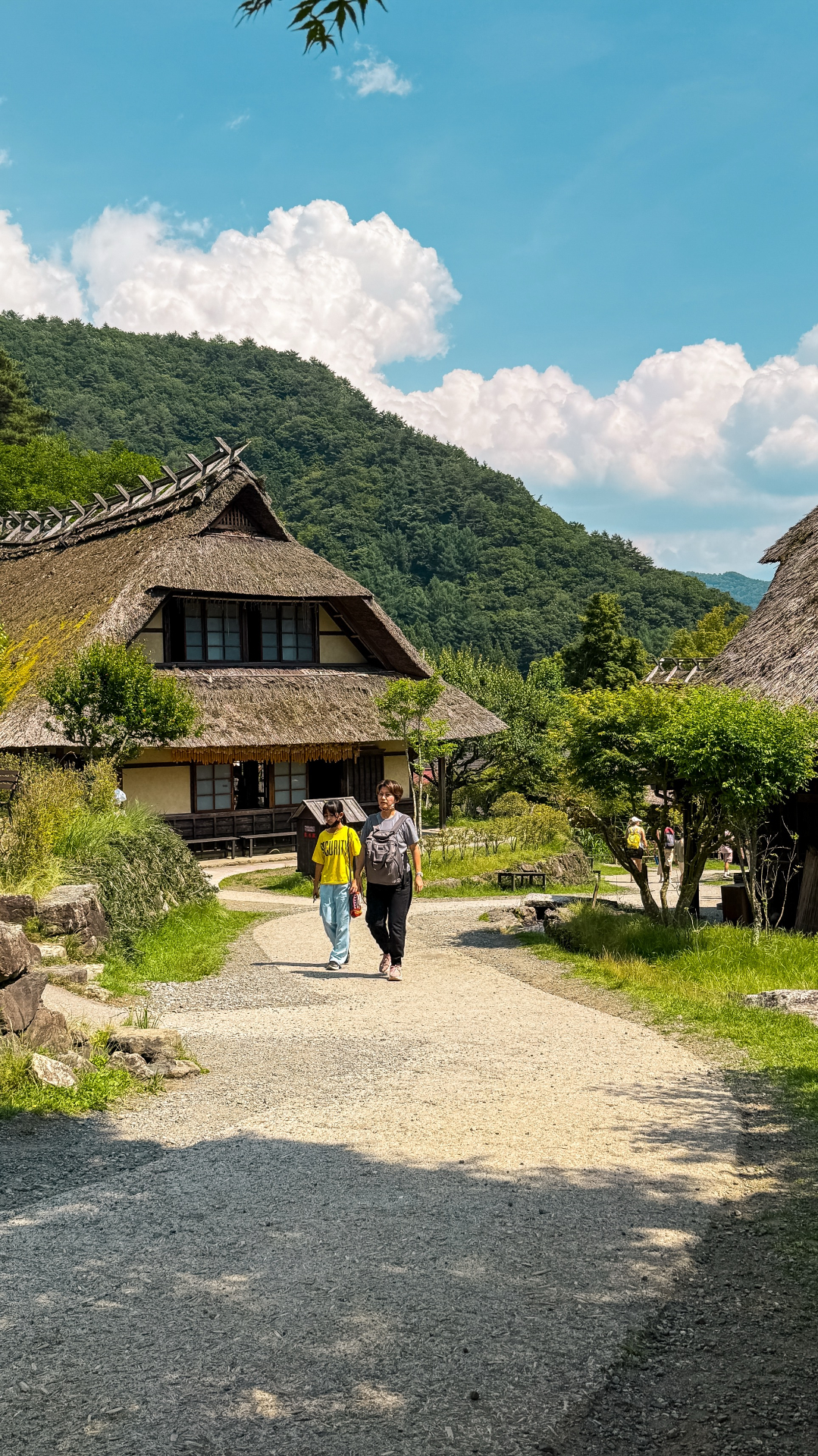
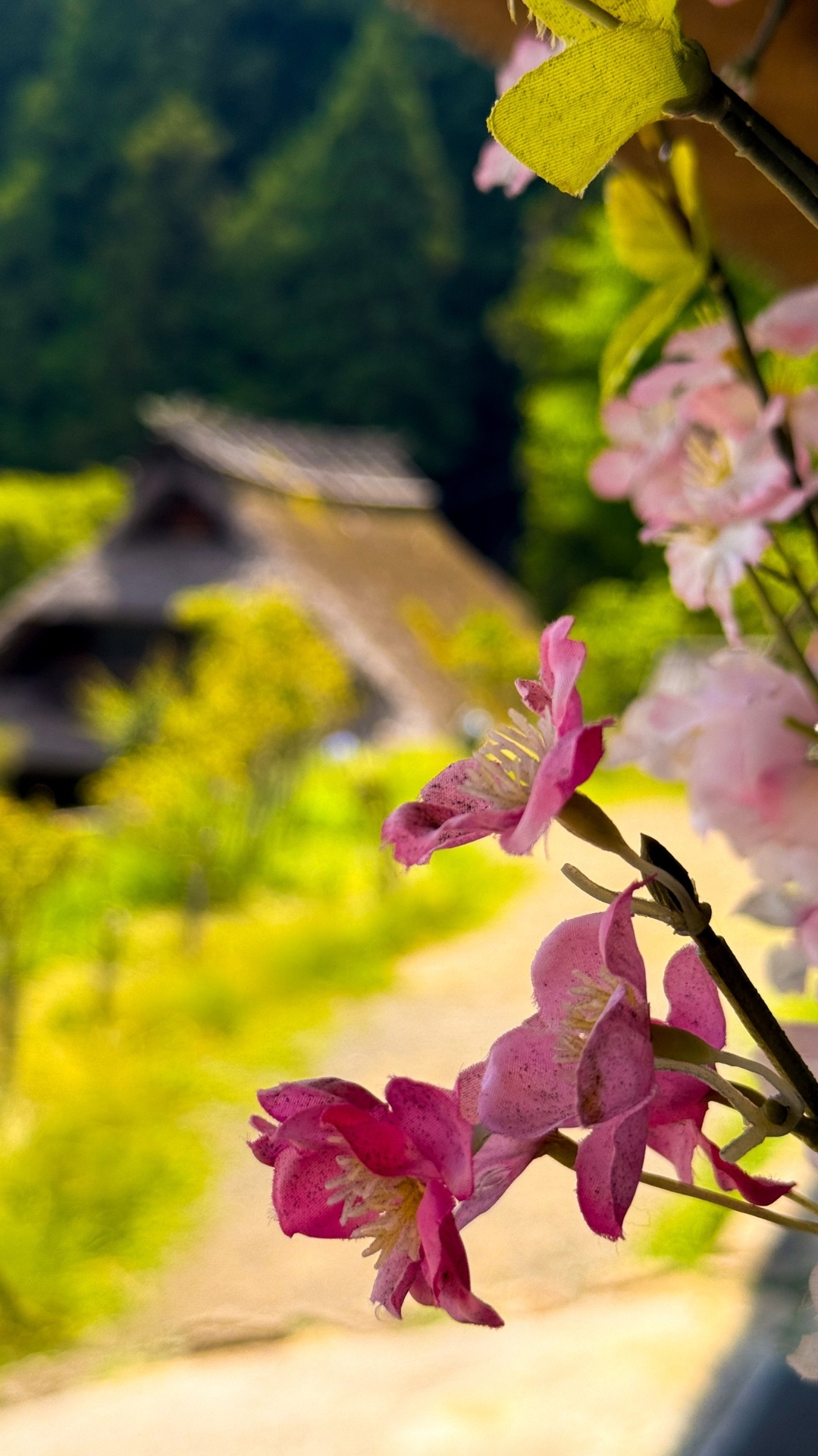
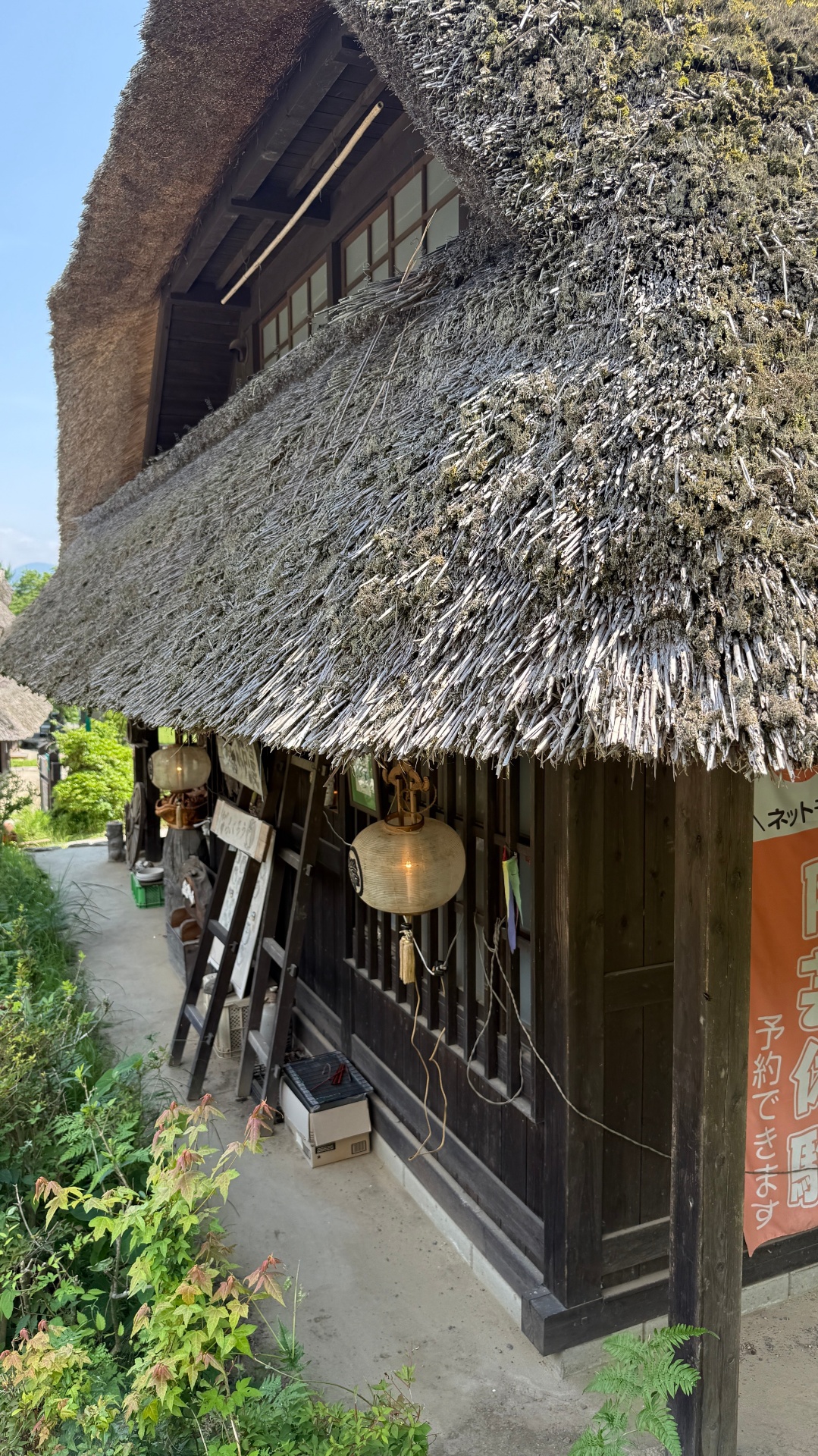
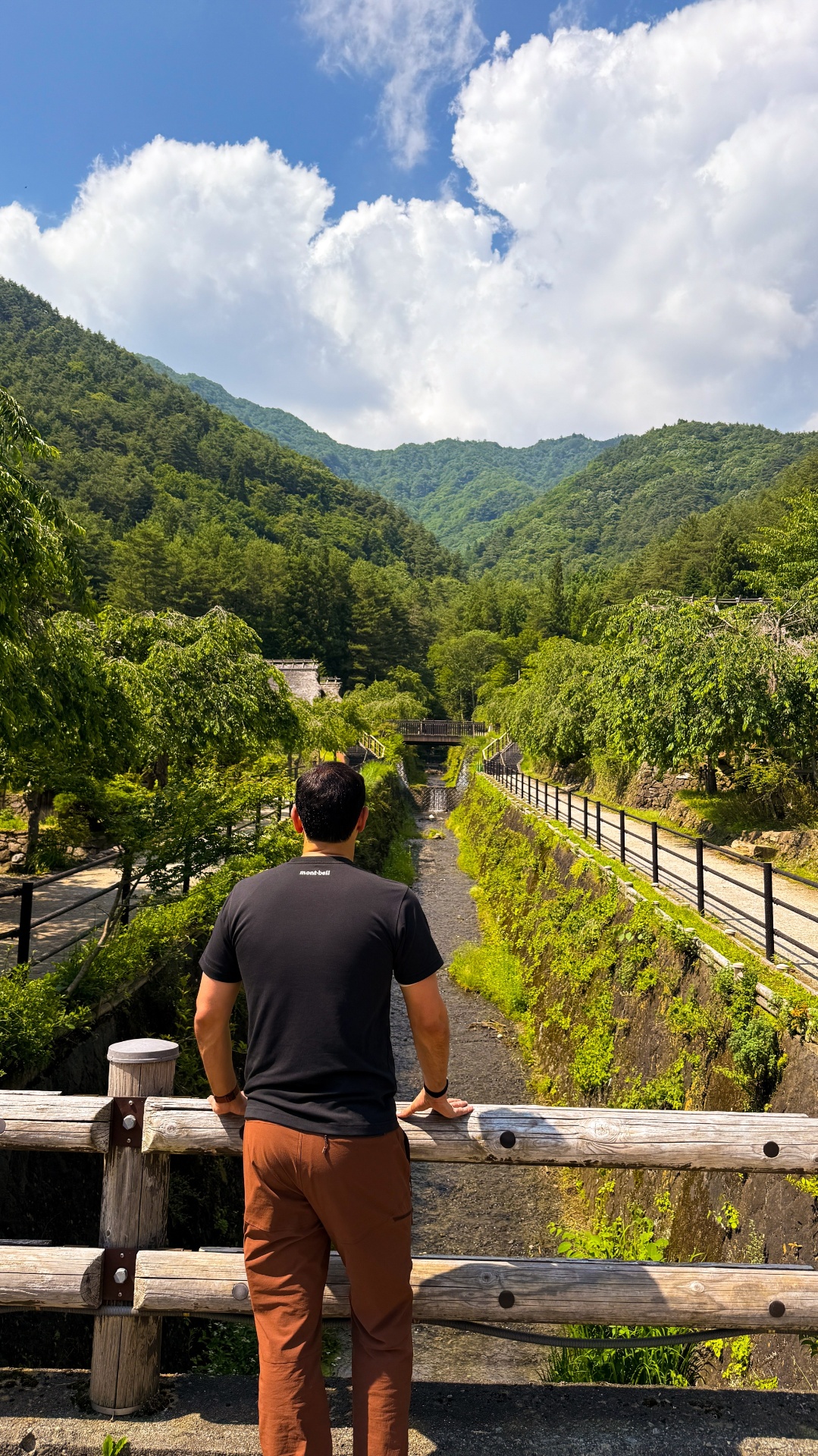
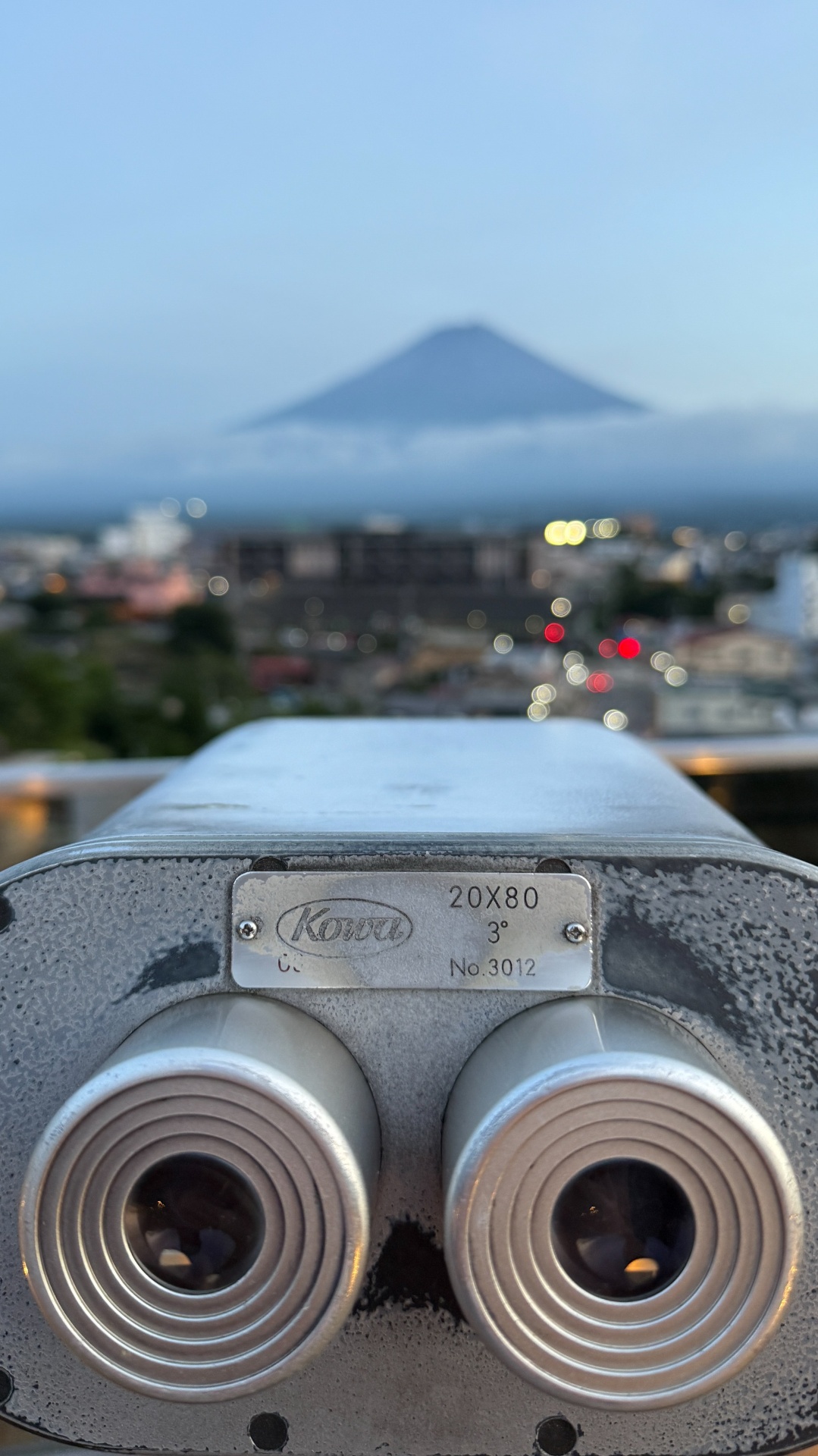
Kawaguchiko is a small, laid-back town at Fuji's base — perfect for acclimating before the climb. After Chureito, we continued on to a local market, then wandered through the old wooden houses of Saiko Iyashi-no-Sato Nemba with their quiet charm, and finally to Oishi Park overlooking Lake Kawaguchiko. The entire town has a calm, walkable feel — no rushing, just enjoying the landscape and the approaching mountain.
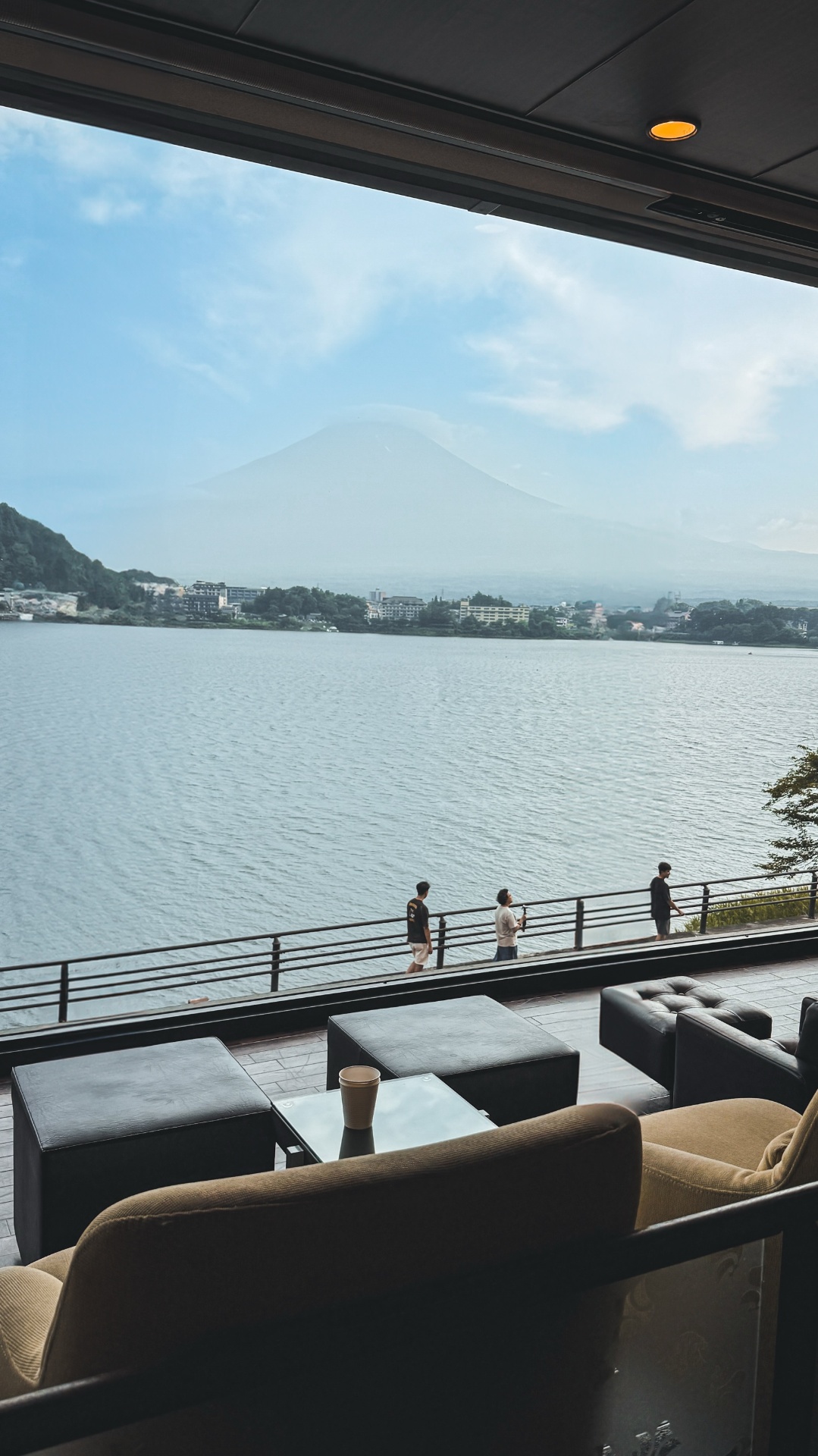
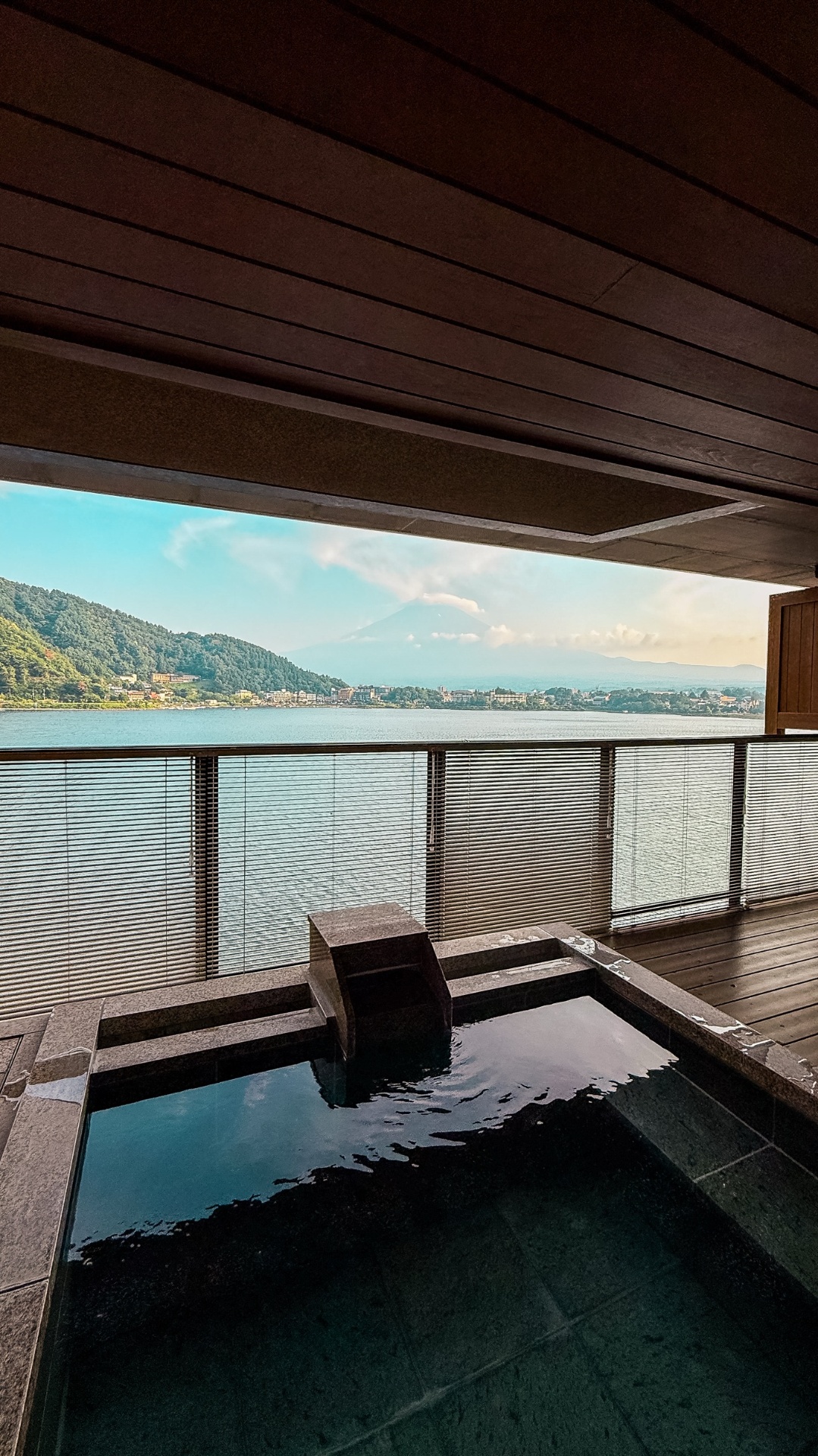
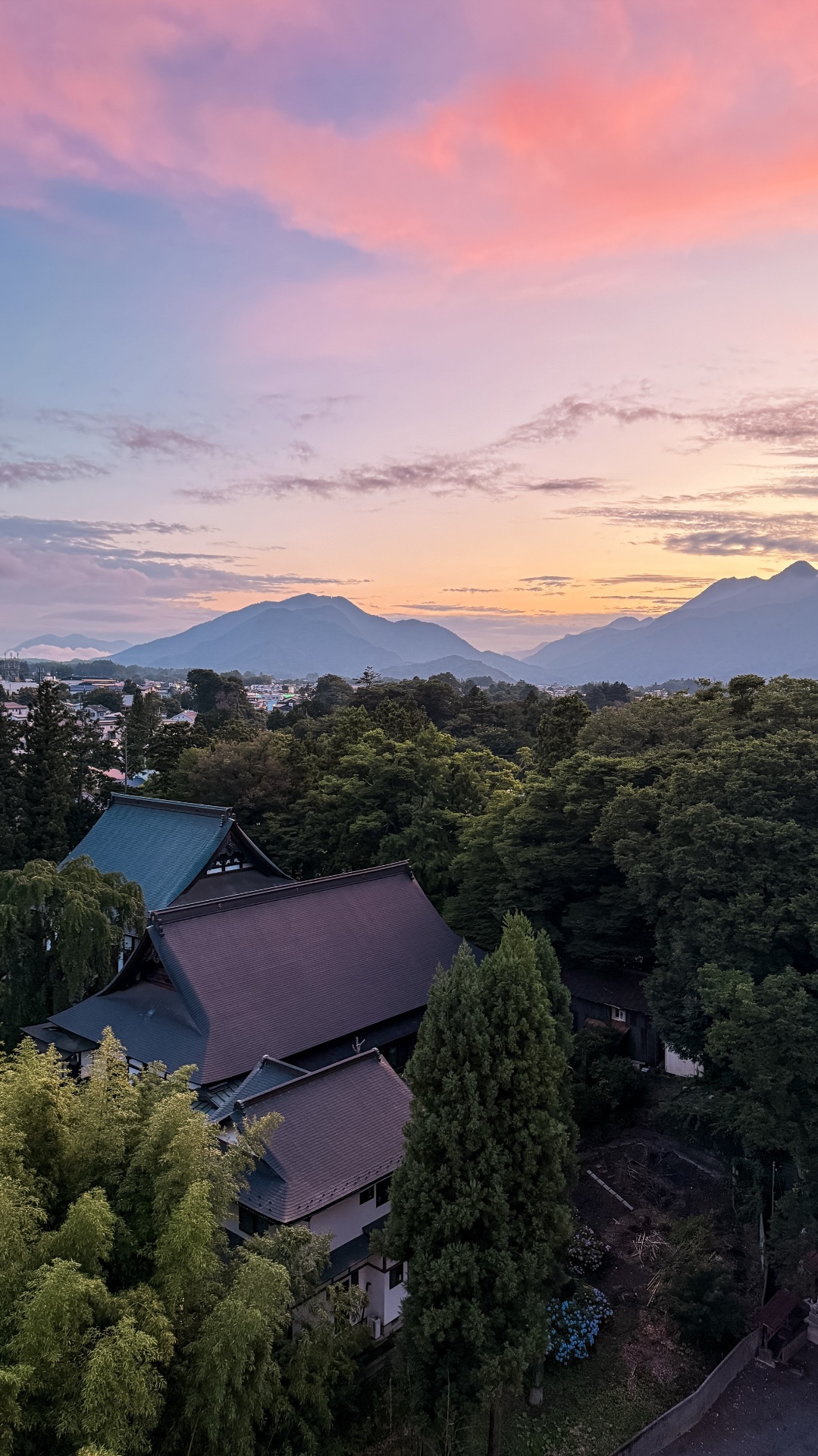
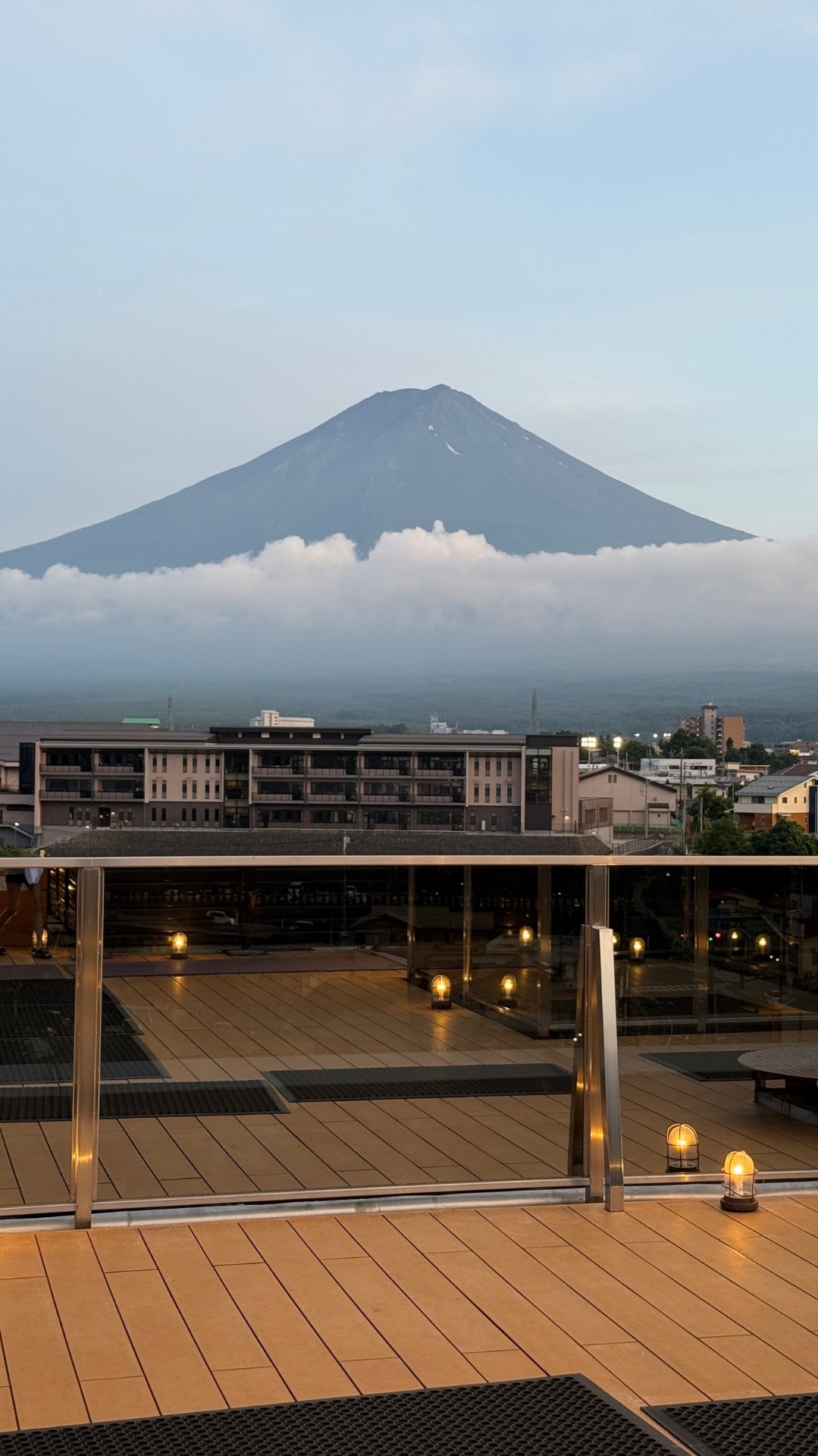
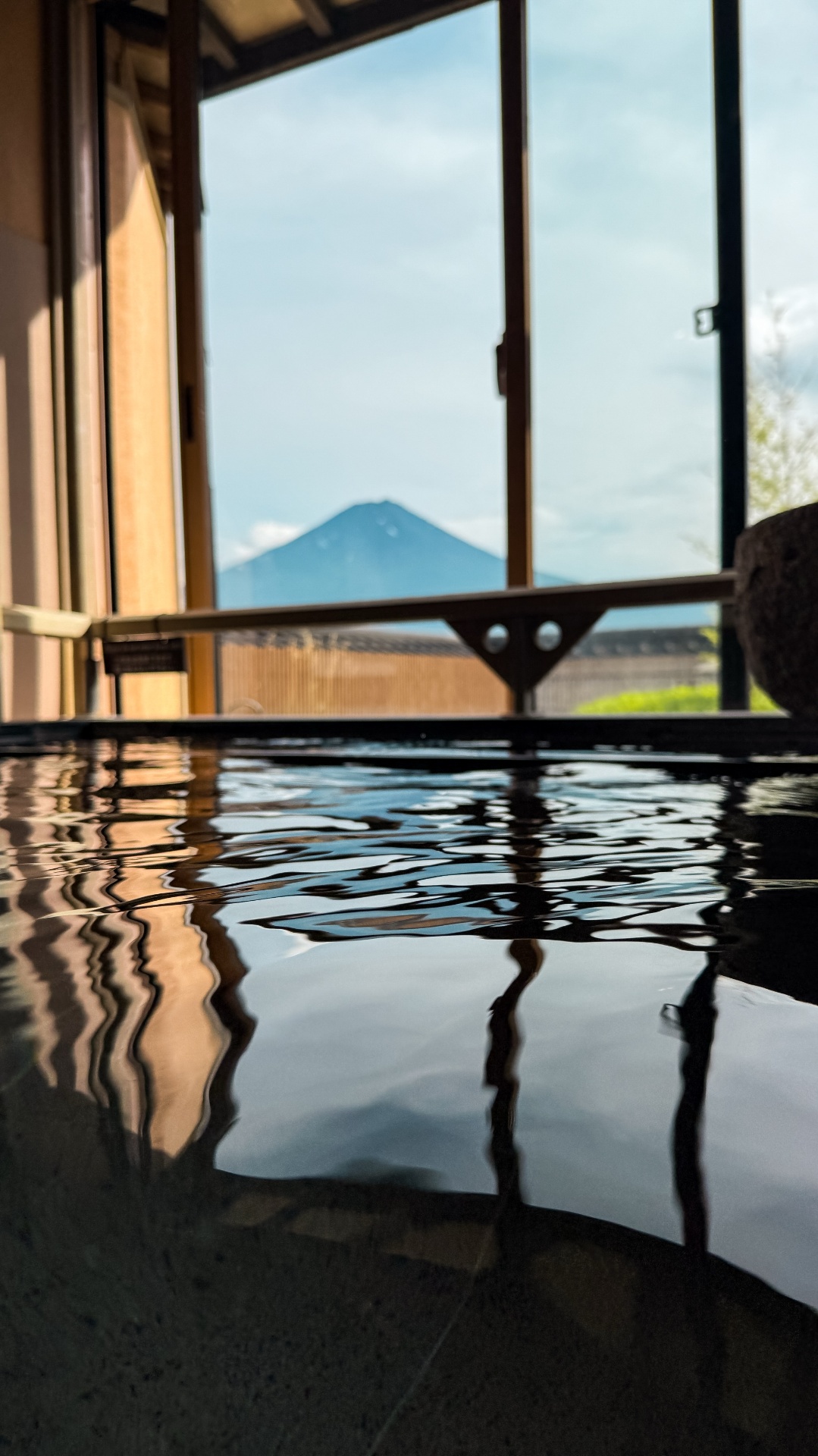
That evening, we checked into Ubuya Hotel, a traditional ryokan with a private onsen overlooking the mountain. The space was quiet and relaxing. We soaked in the hot spring, watched the sunset paint Fuji's peak, and mentally prepared for the next day. This calm night became crucial — it set the tone for an unhurried, thoughtful climb.
The Smart Approach: Booking & Timing
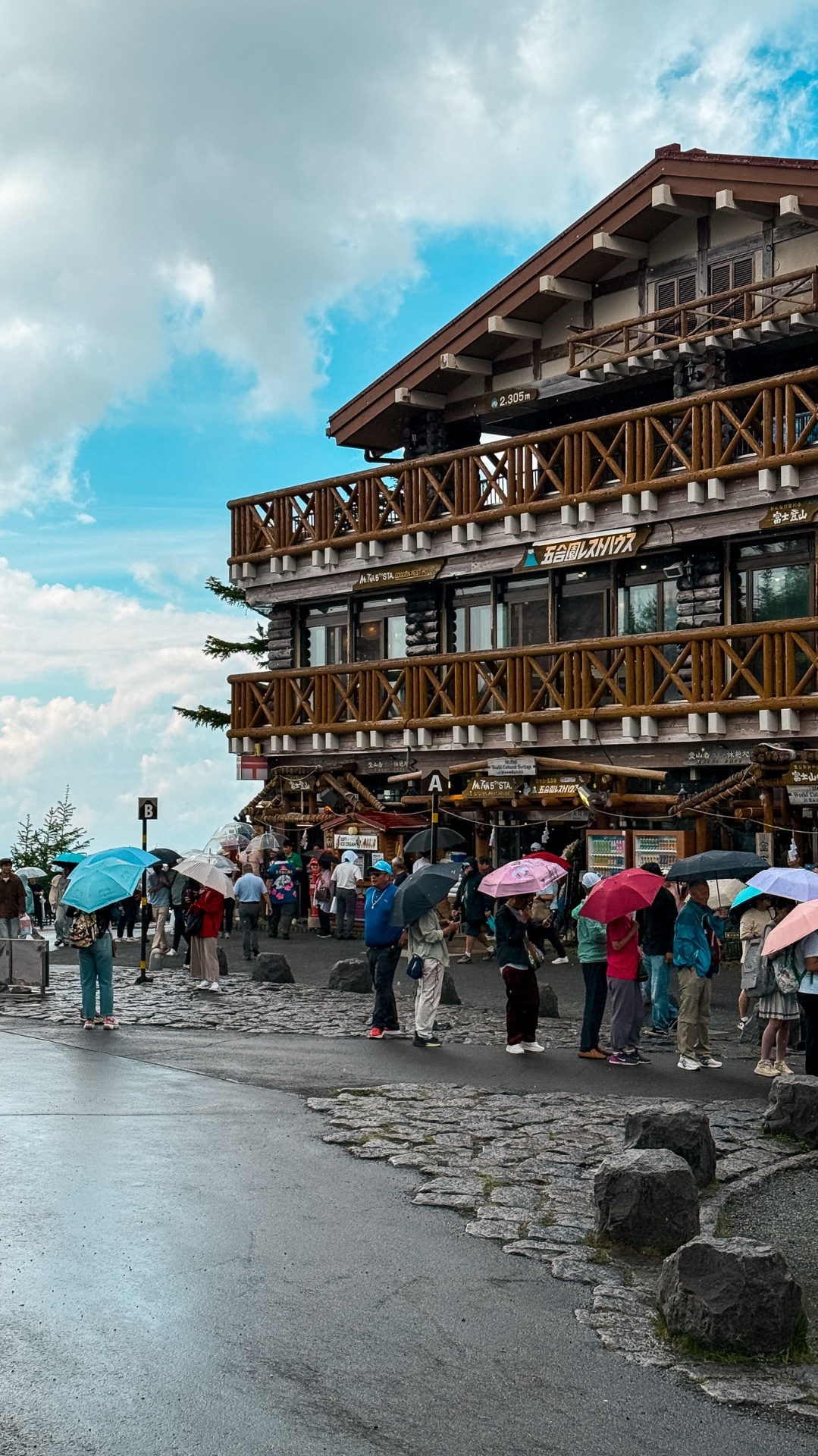
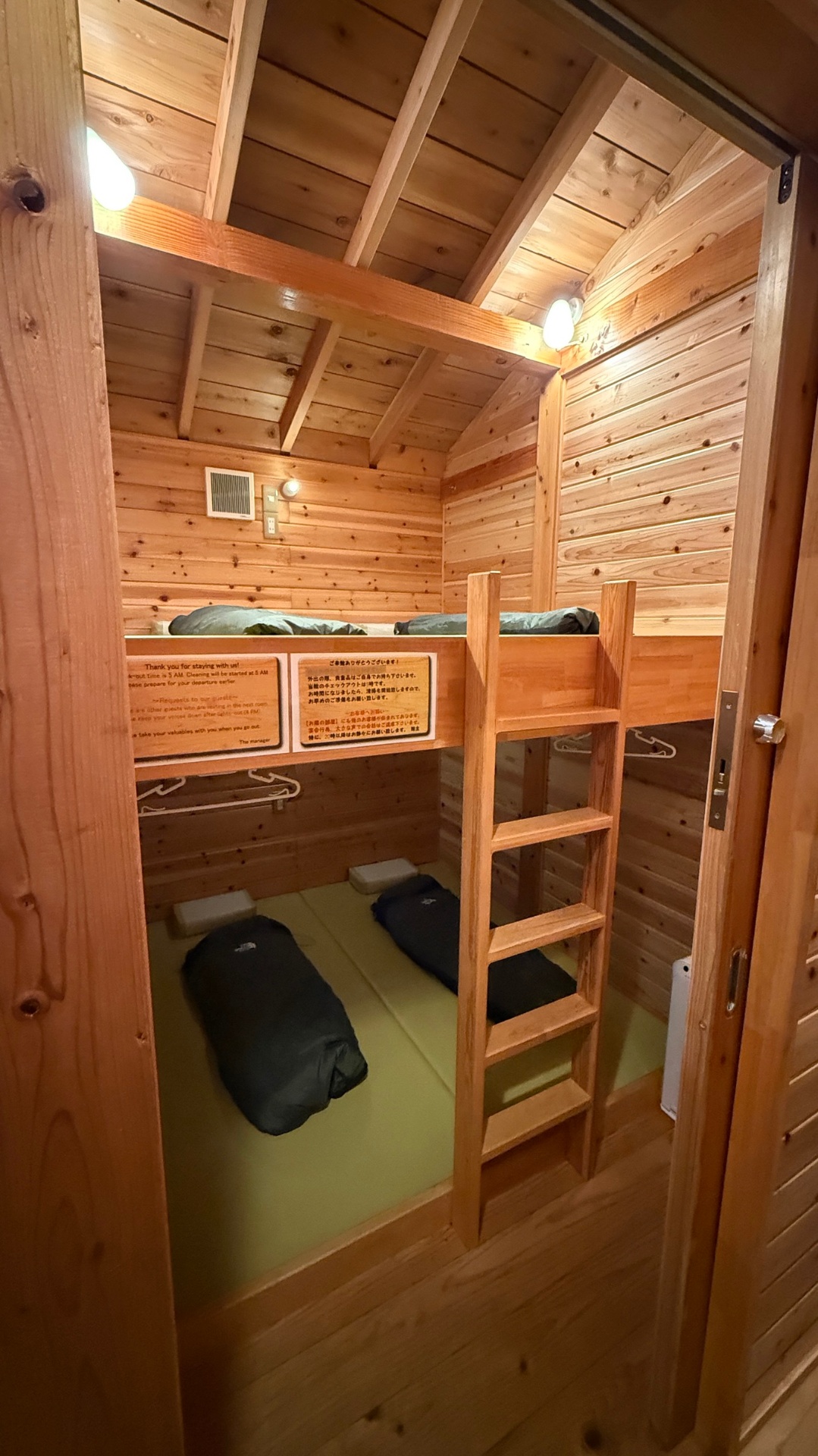
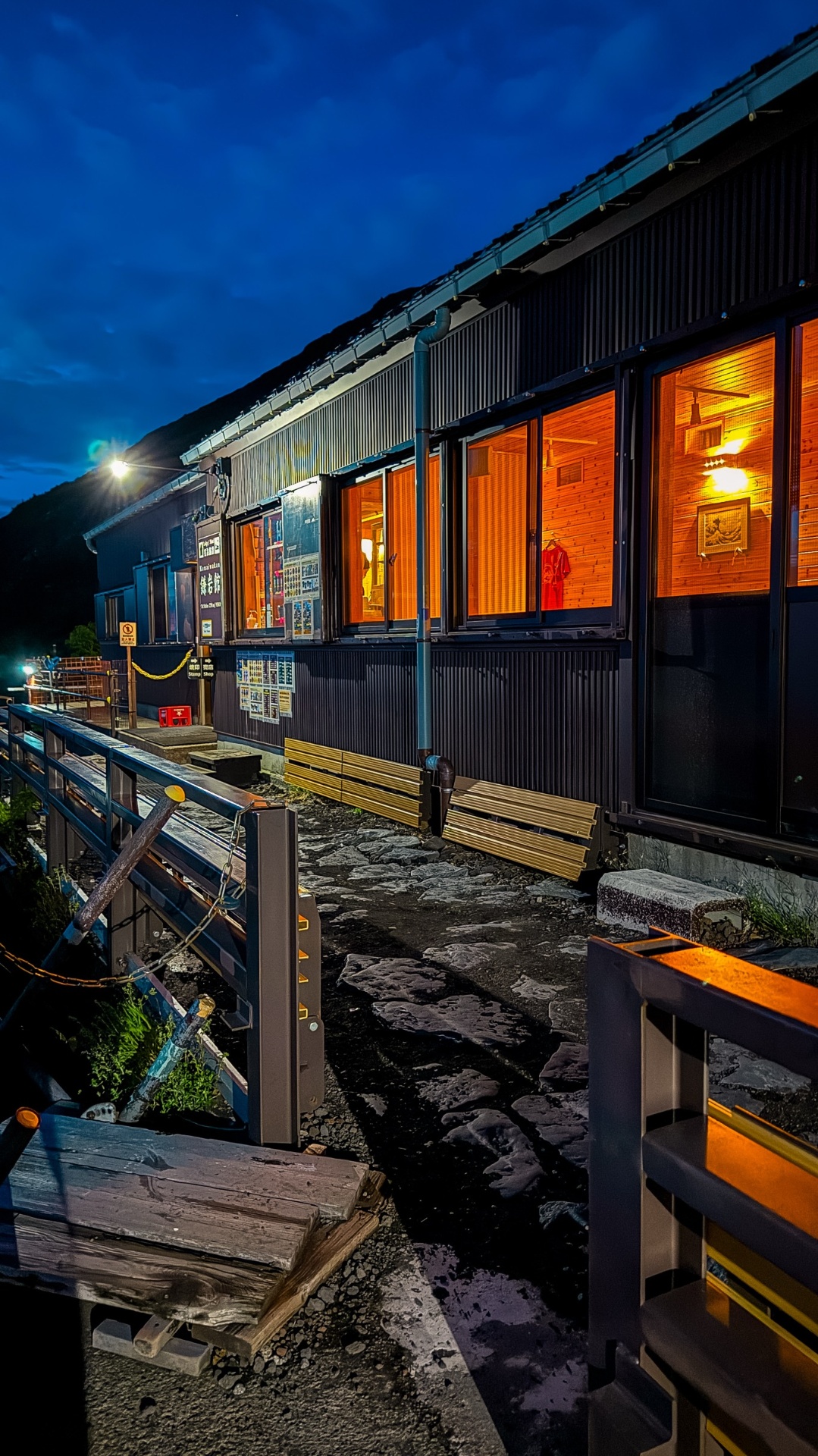
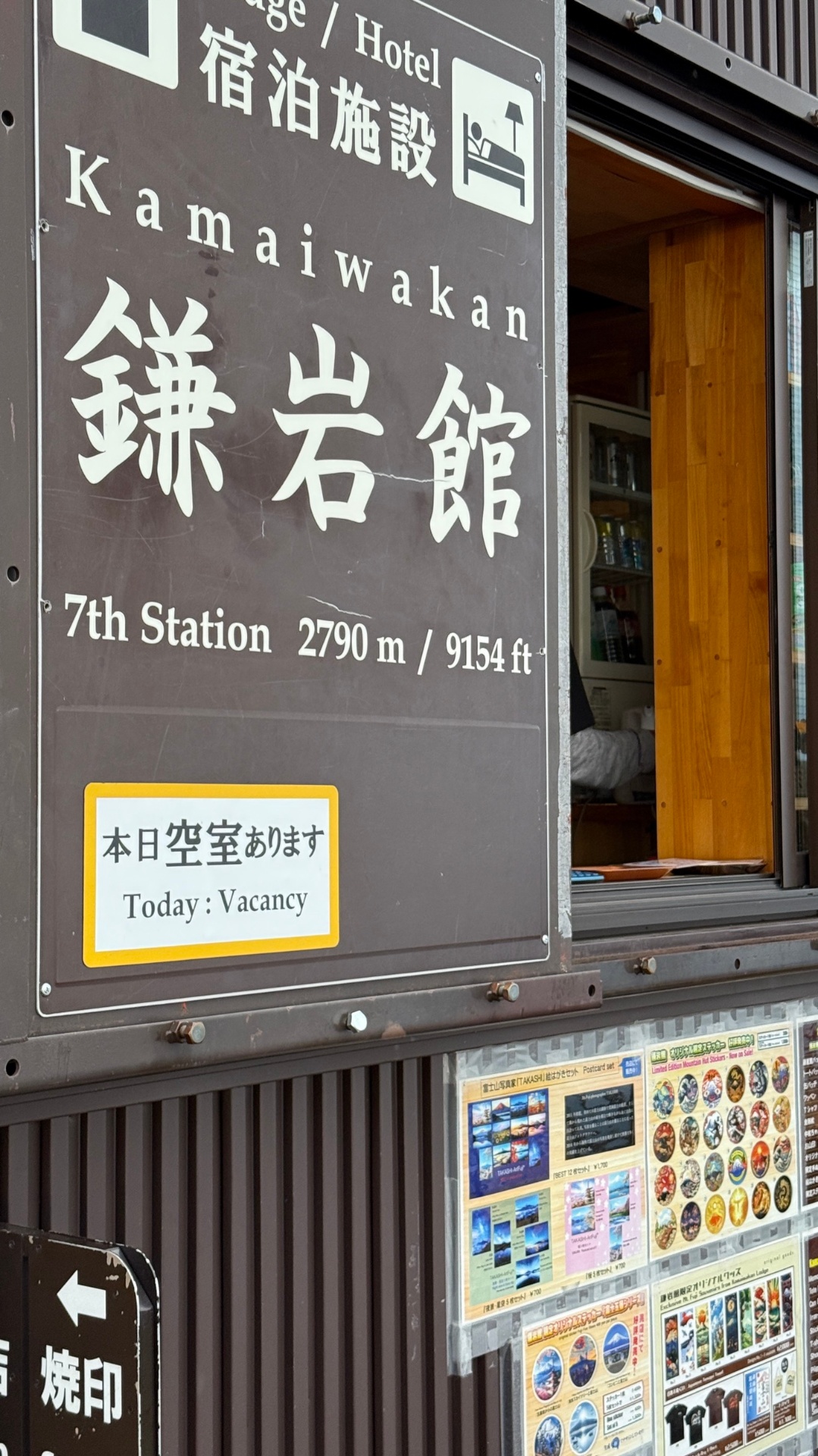
Here's the key insight: Mount Fuji's National Park closes to unbooked climbers at 1 PM each day. But if you have a mountain hut reservation, you can enter anytime. We booked Kamaiwakan Mountain Hut at the 7th Station (2,790 m) in advance and arrived at the 5th Station at 3:30–4 PM — when everyone else had already summited or was halfway down.
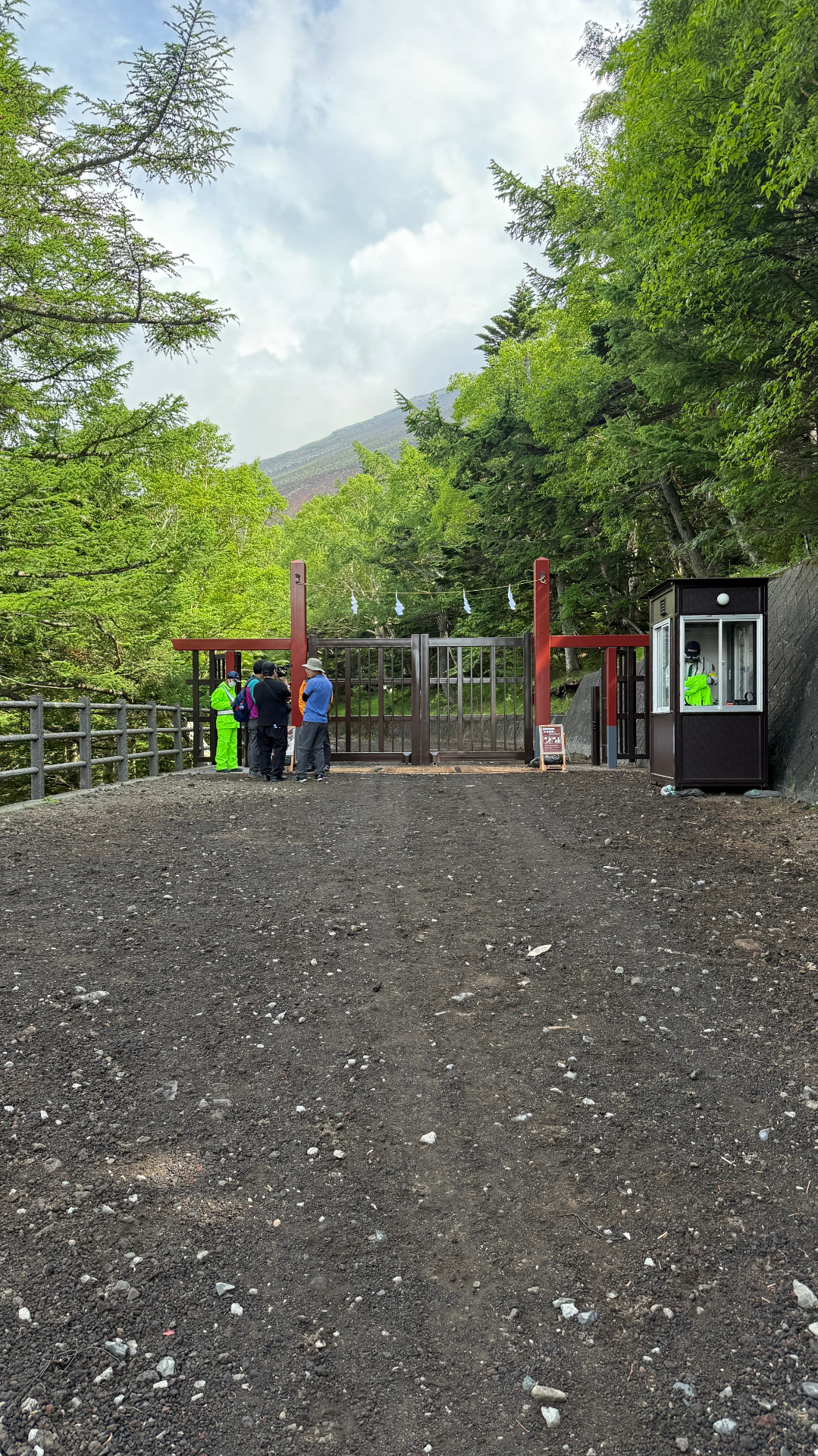
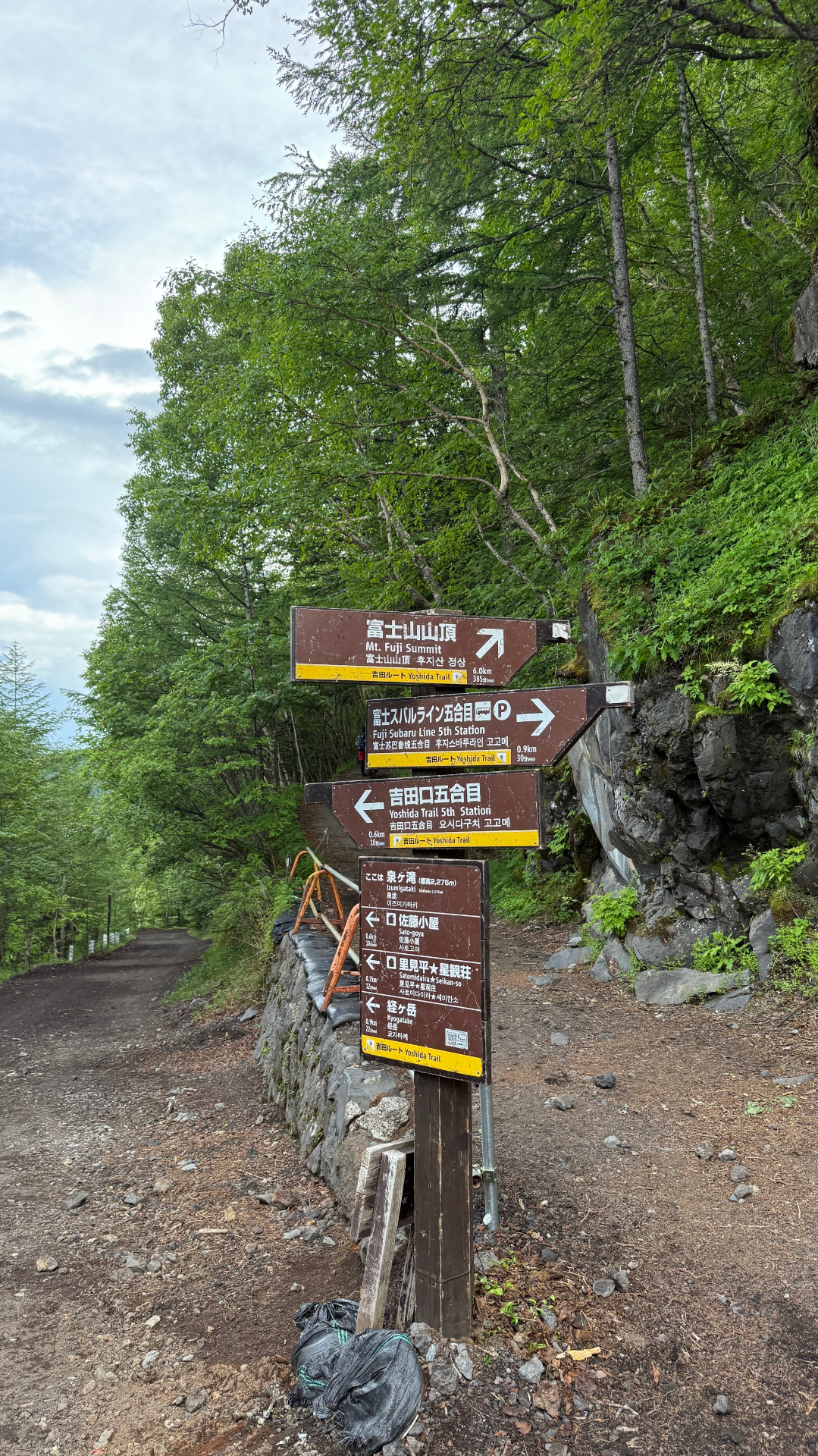
The difference was striking. The bus up was empty. The 5th Station registration booth had no queue. We showed our pre-booked confirmation, received our entry tags in minutes, and walked the Yoshida Trail in calm solitude.
Most climbers rush to beat the crowds and arrive at sunrise — which means they encounter the heaviest foot traffic. By booking accommodation, we flipped the script: we had the mountain to ourselves.
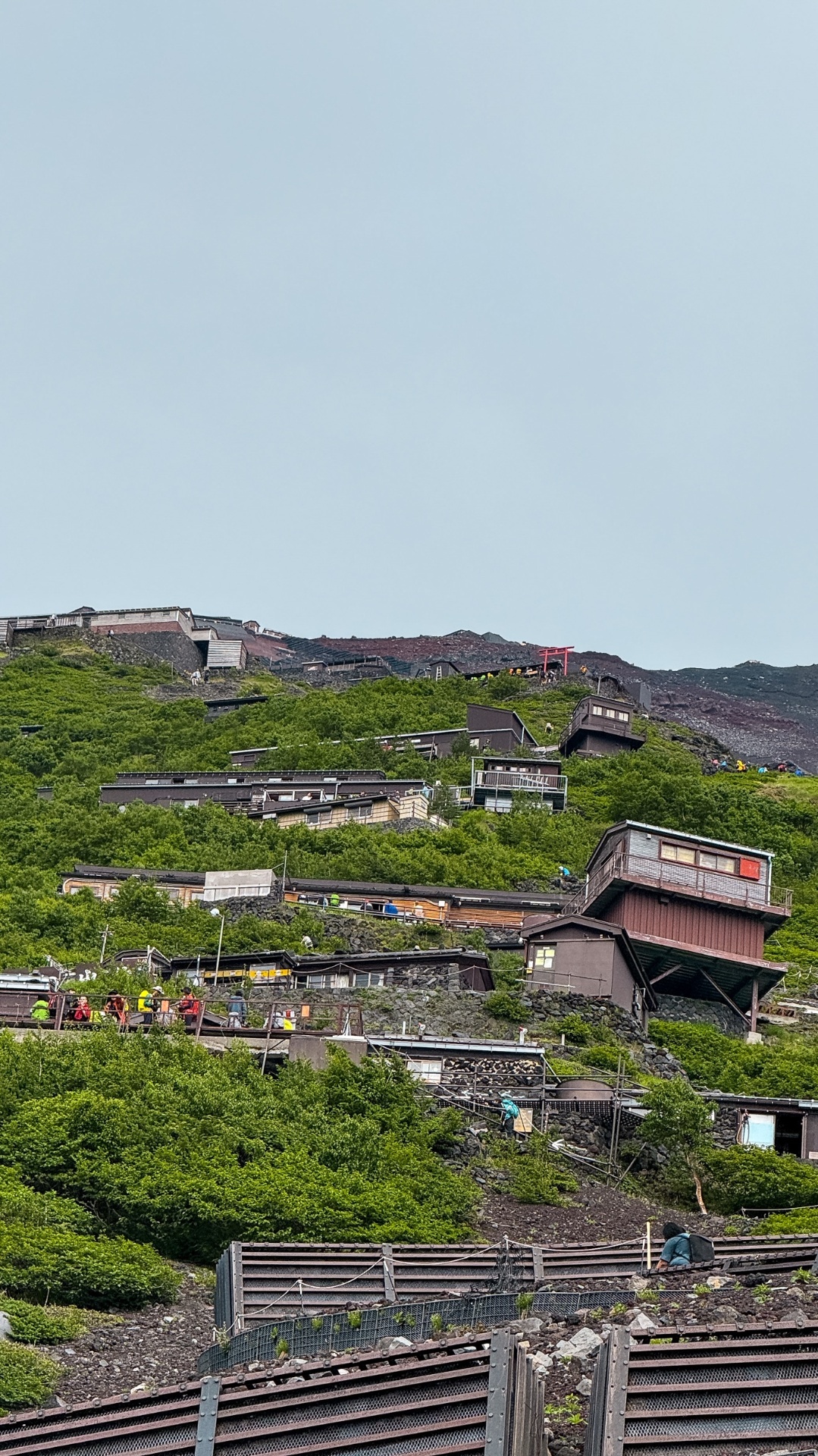
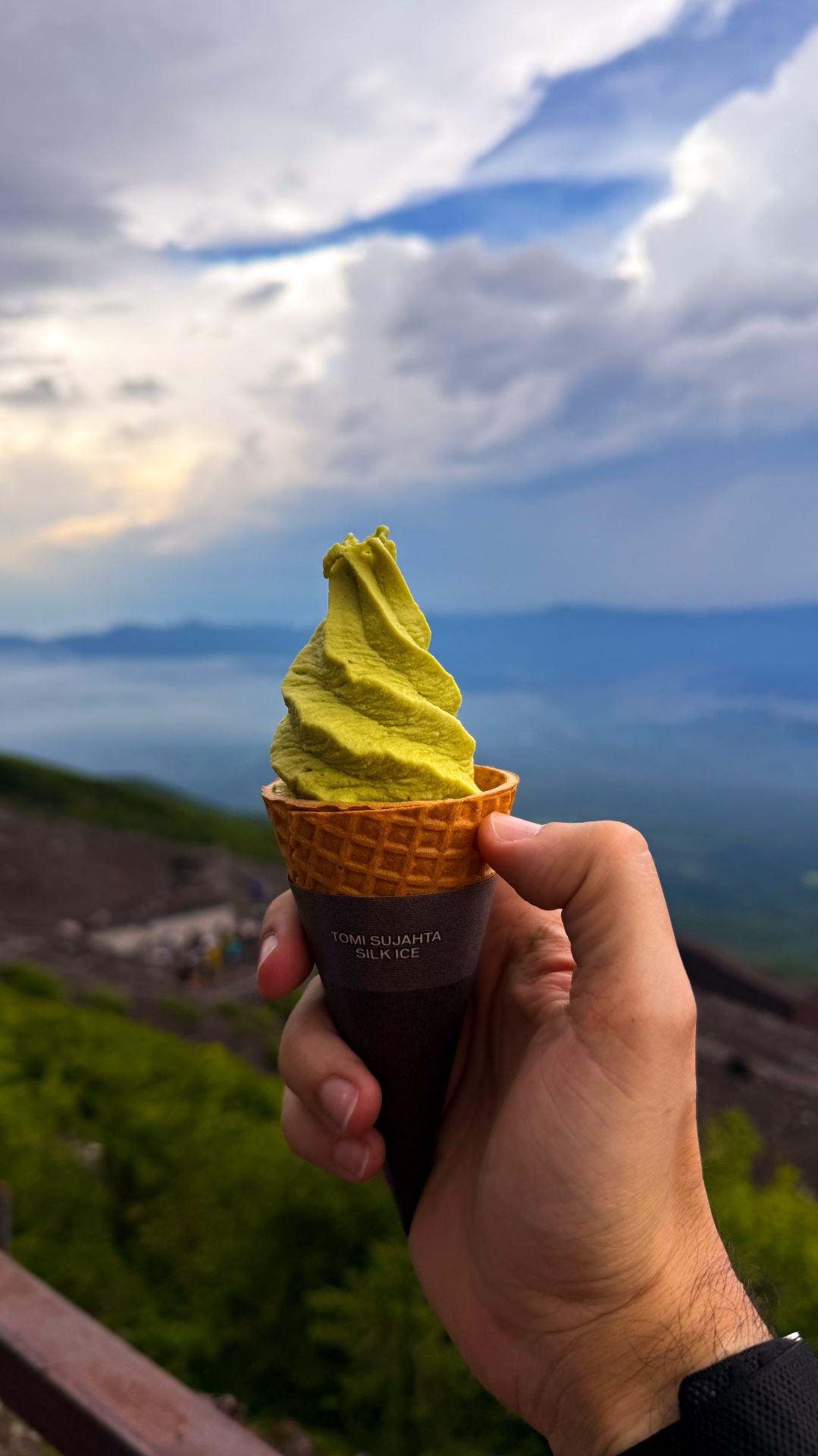
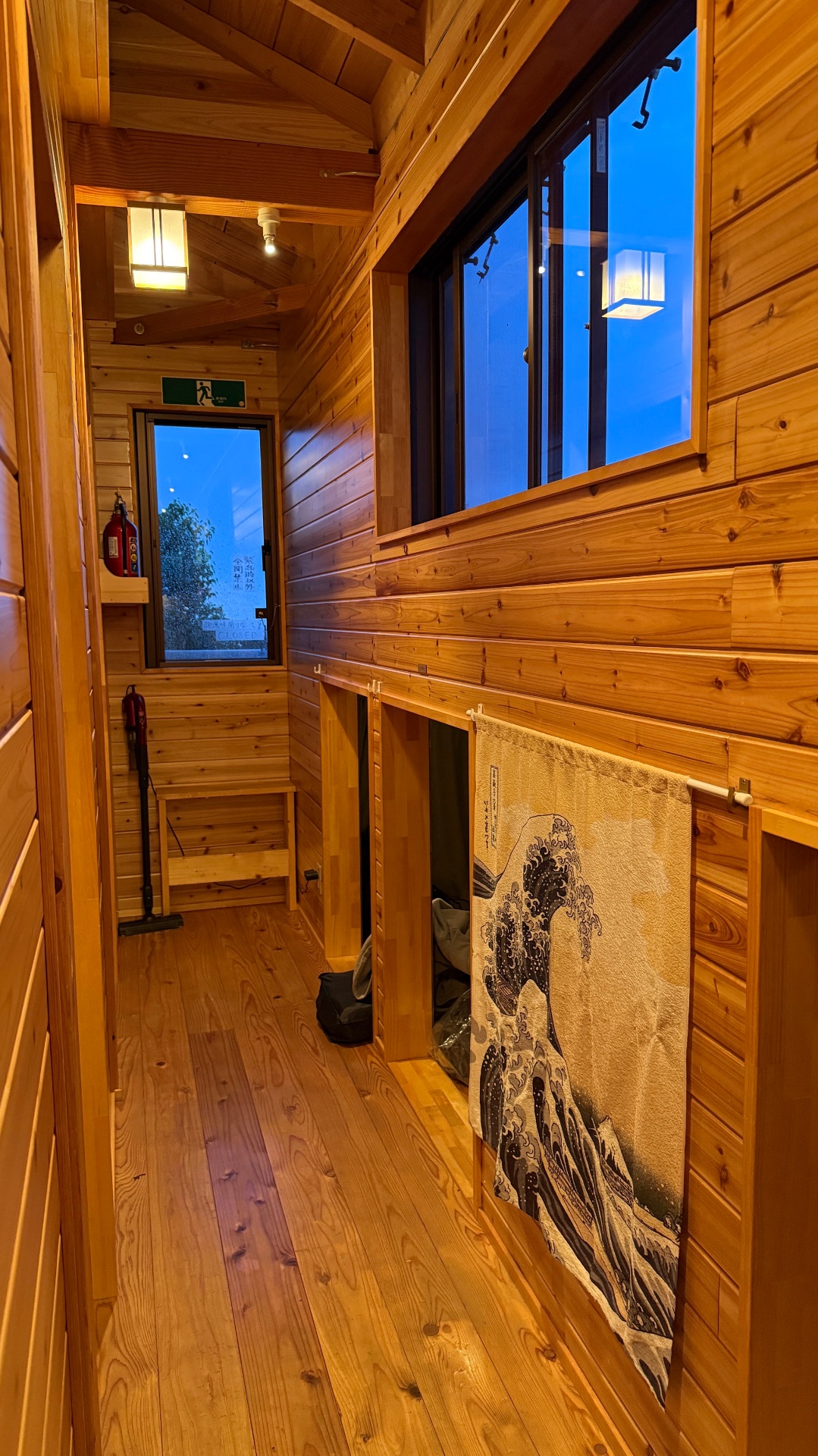
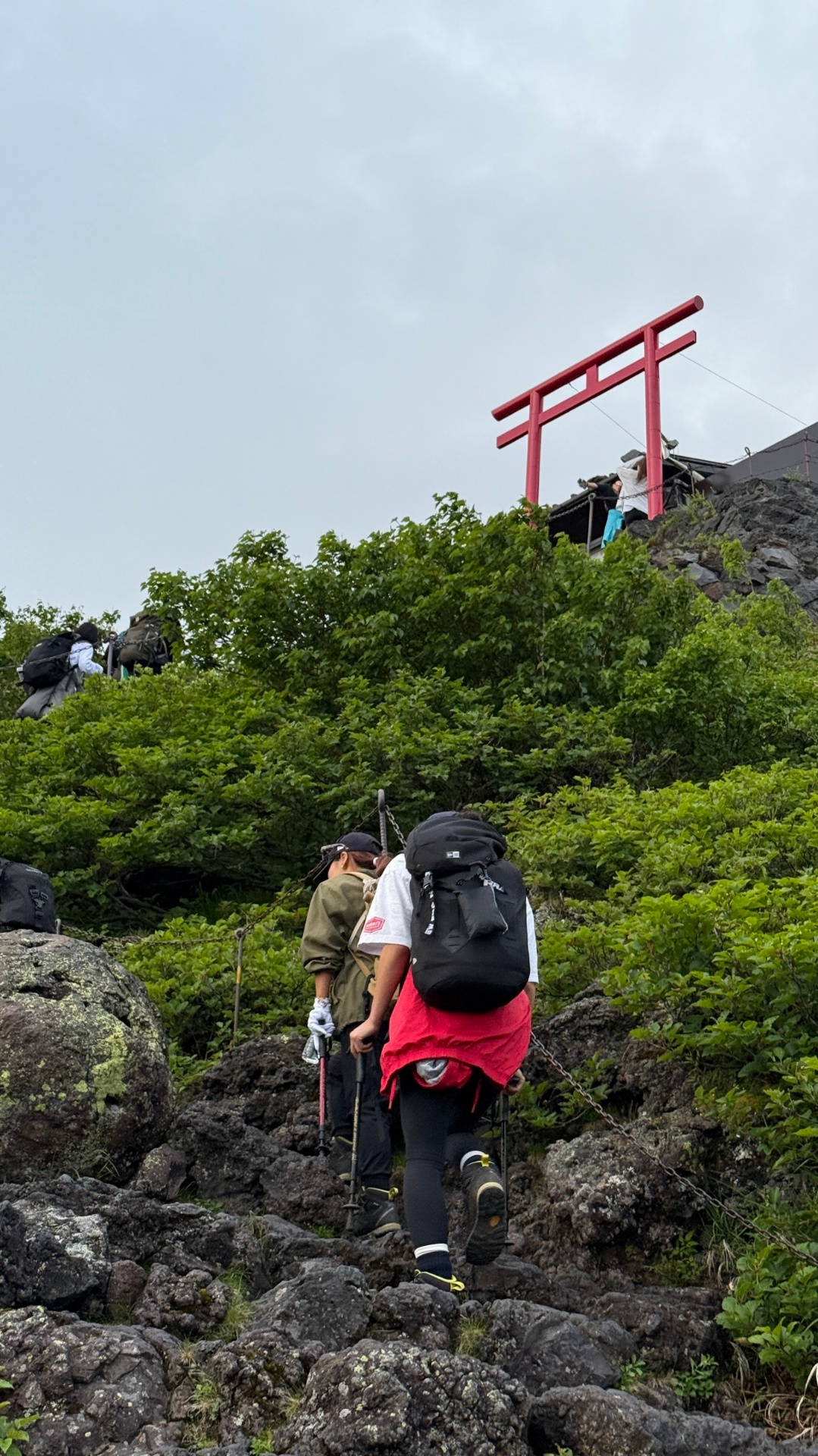
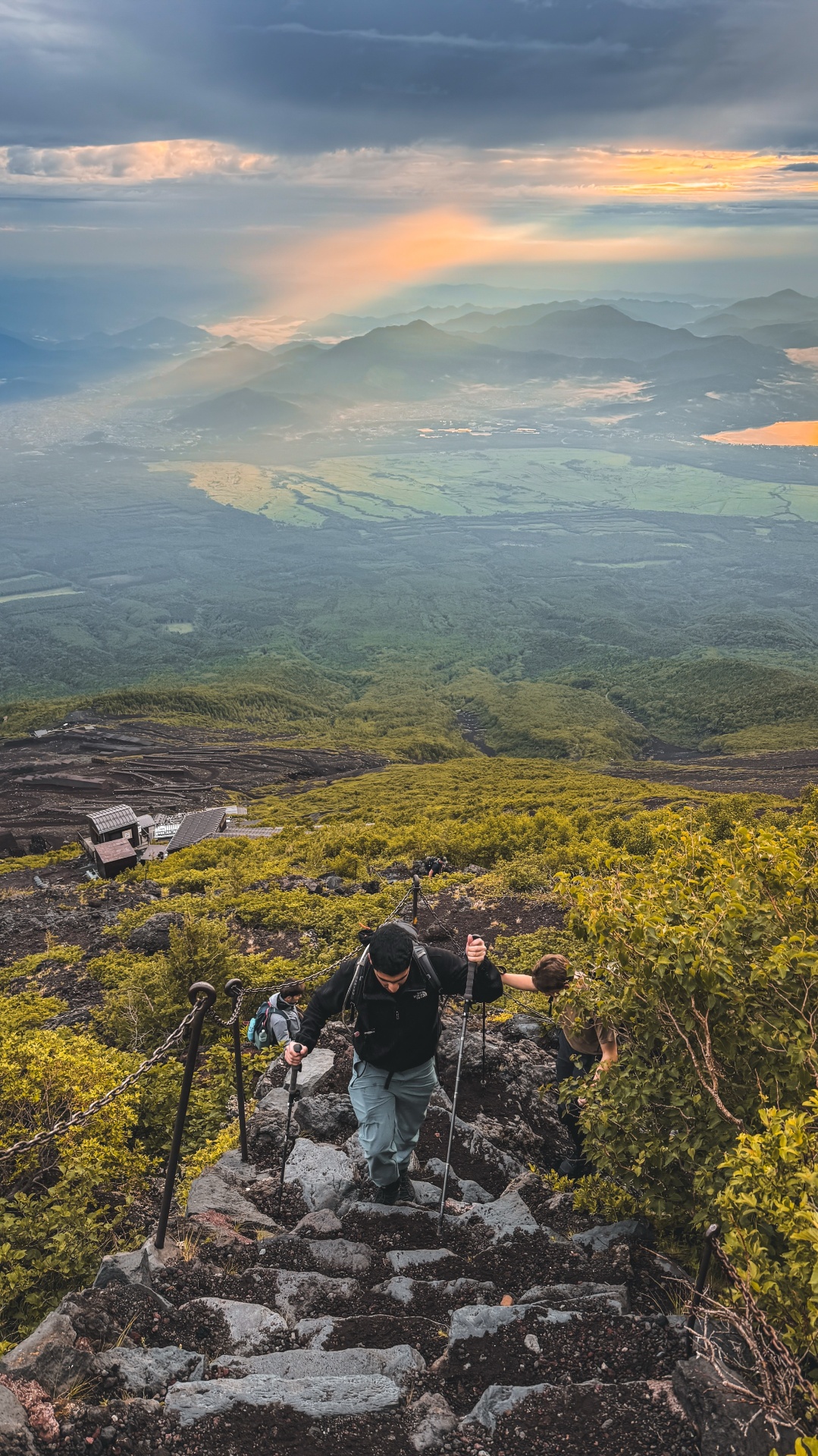
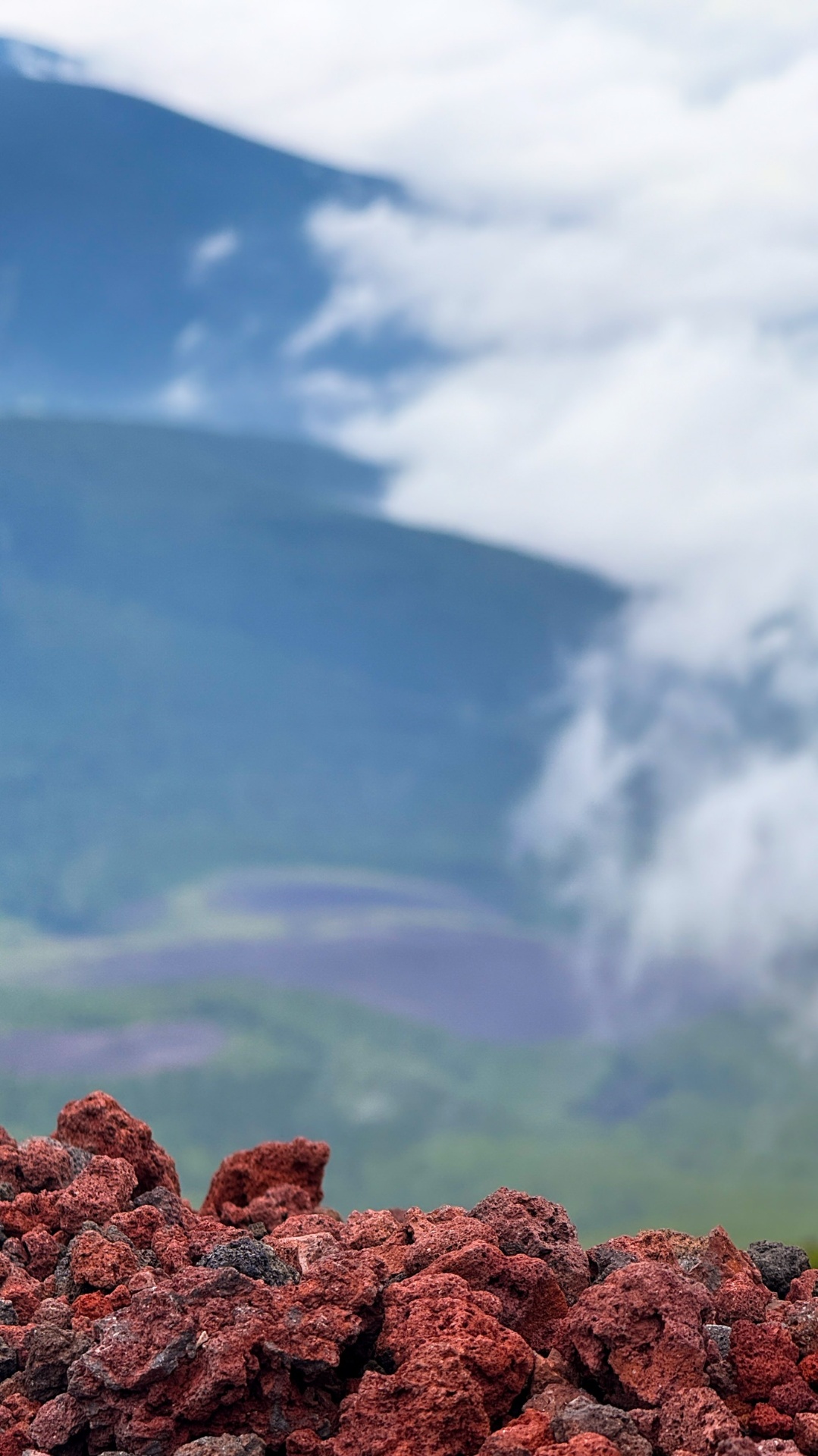
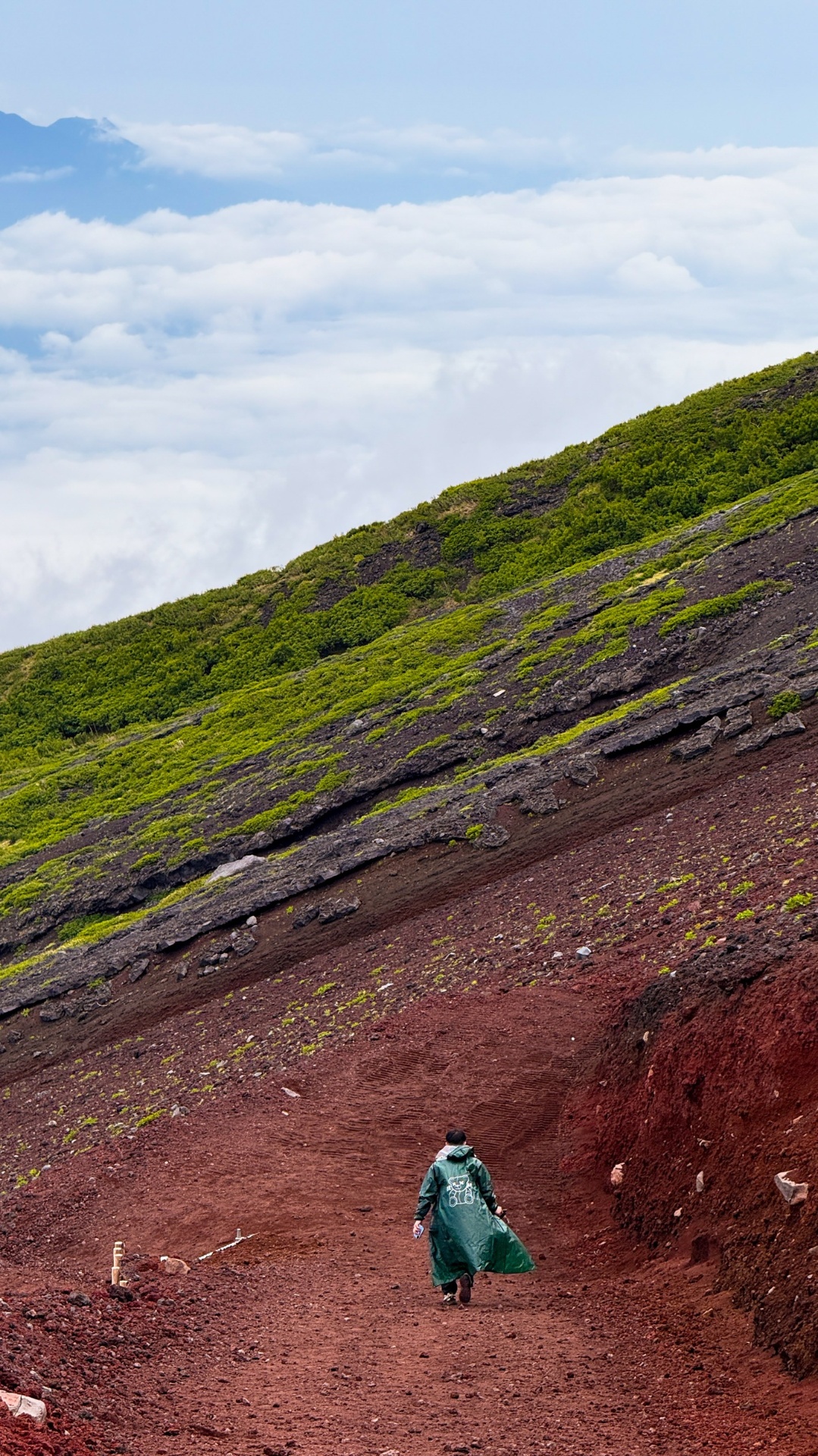
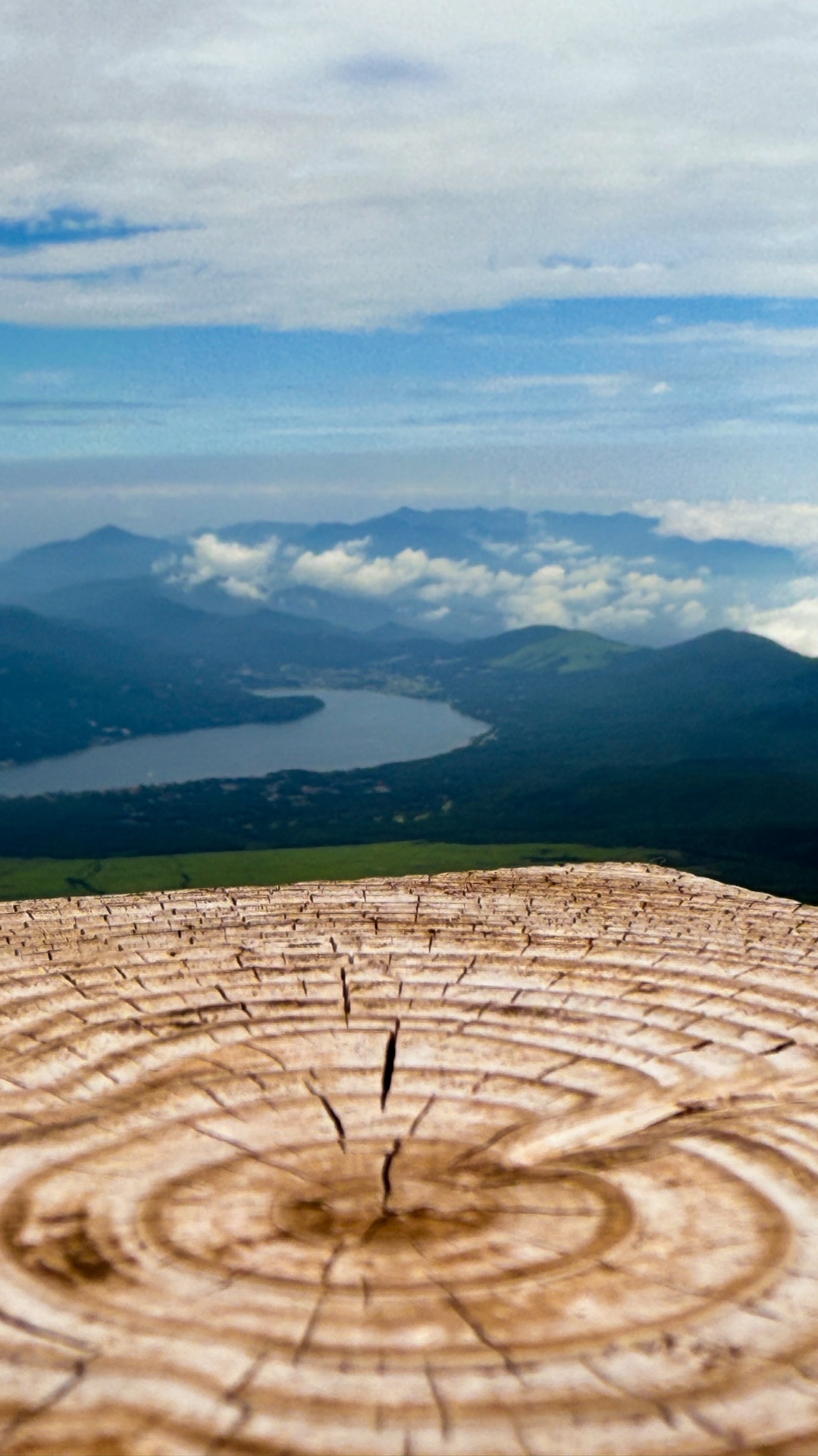
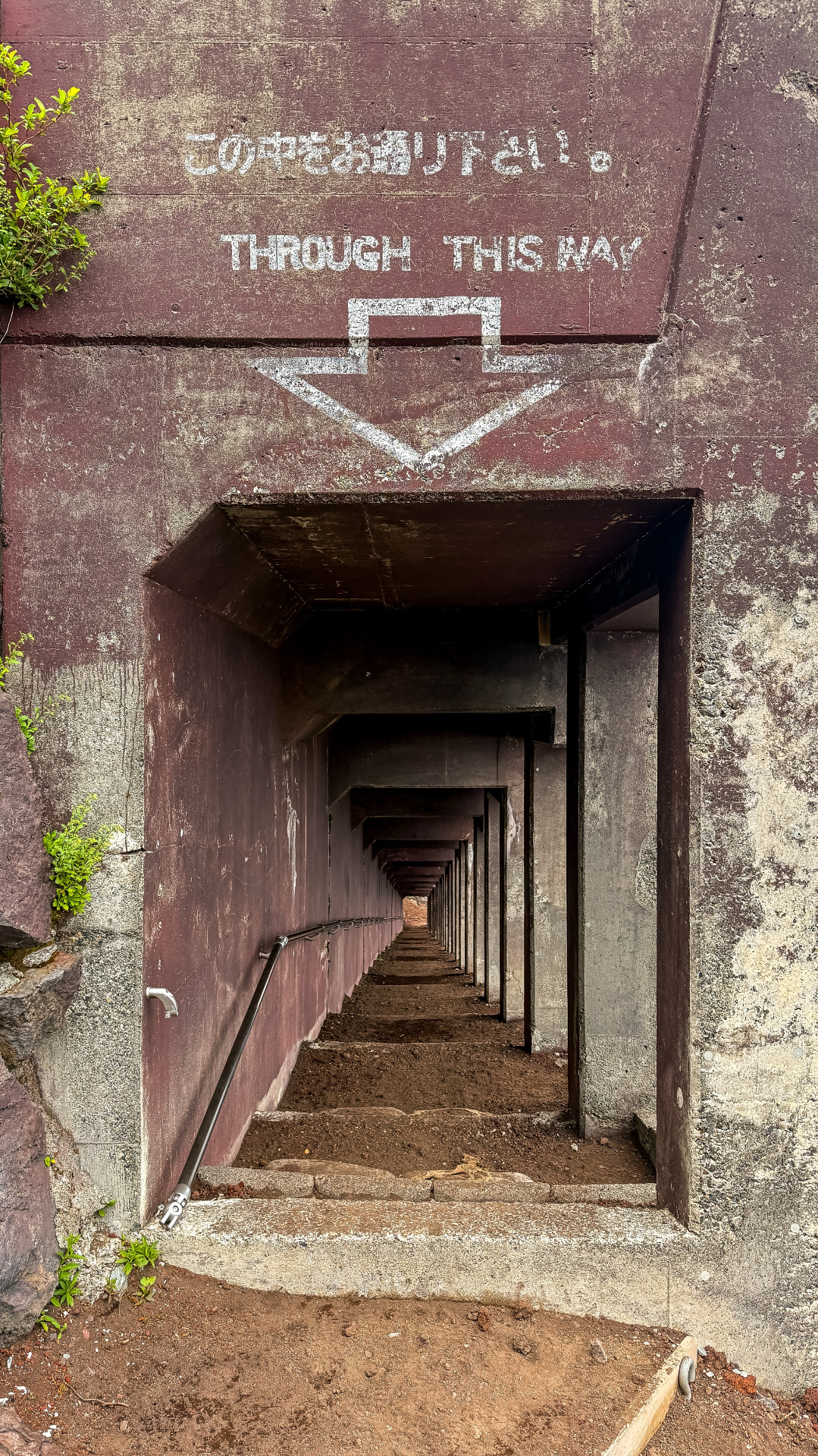
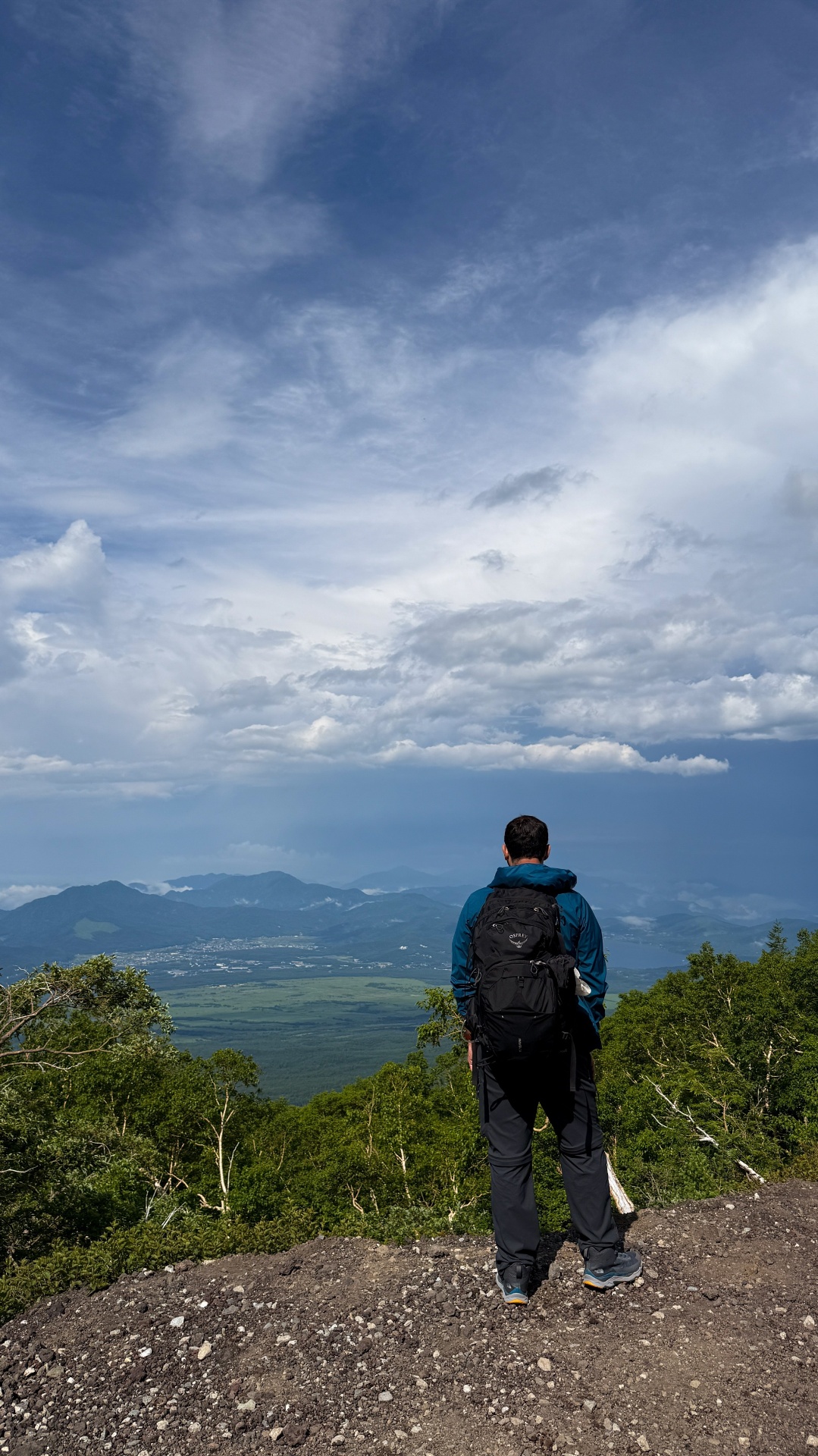
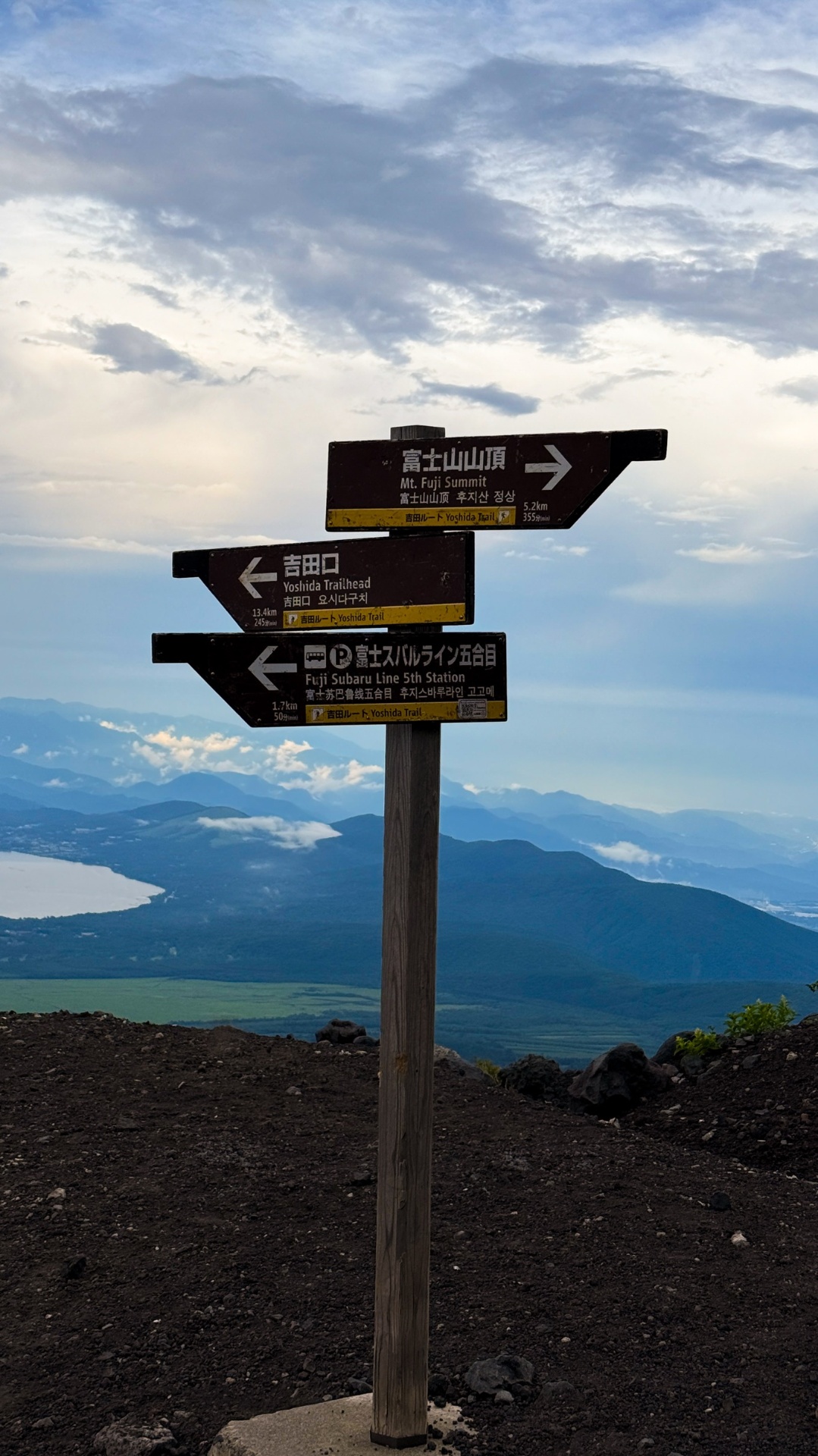
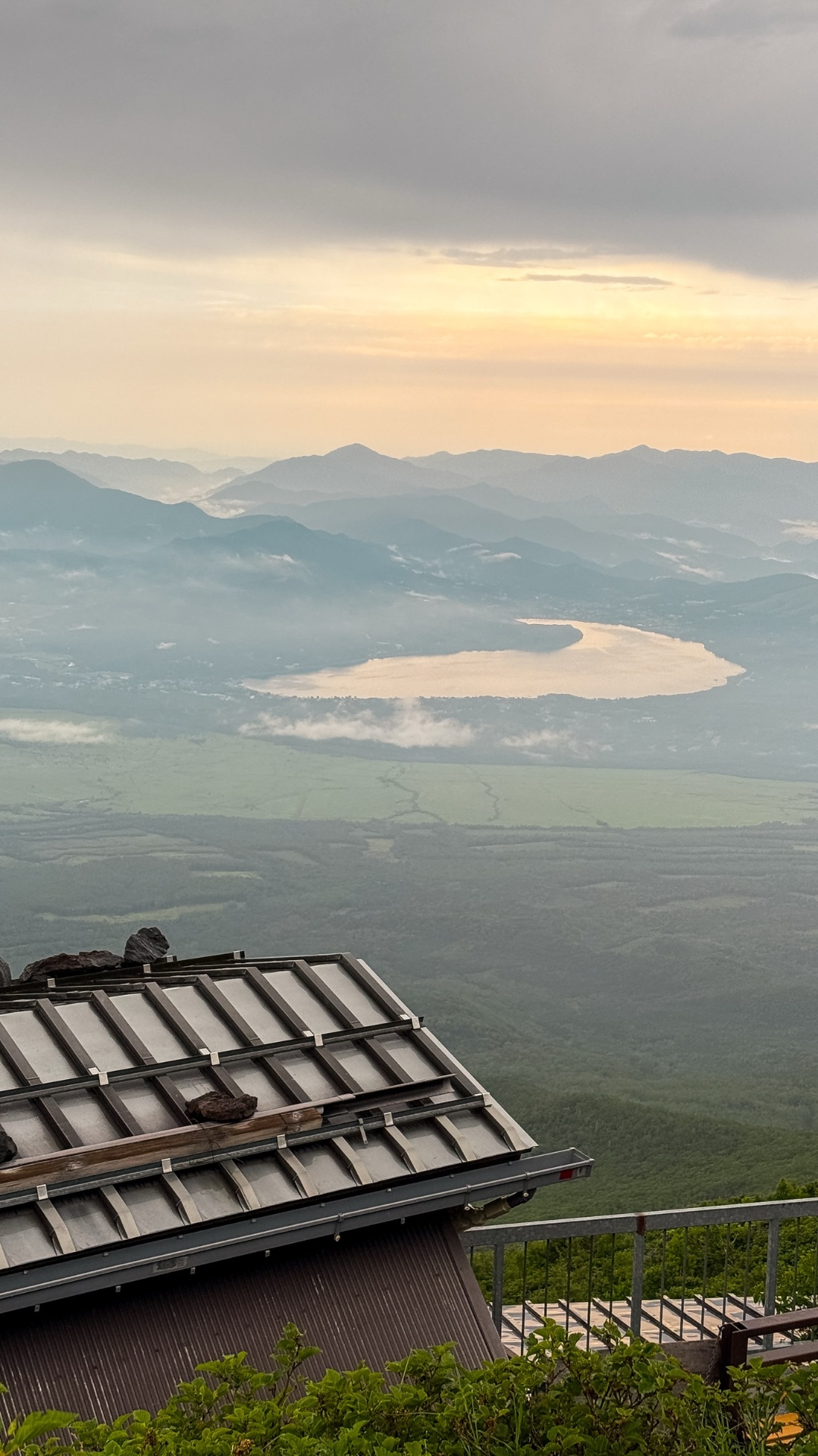
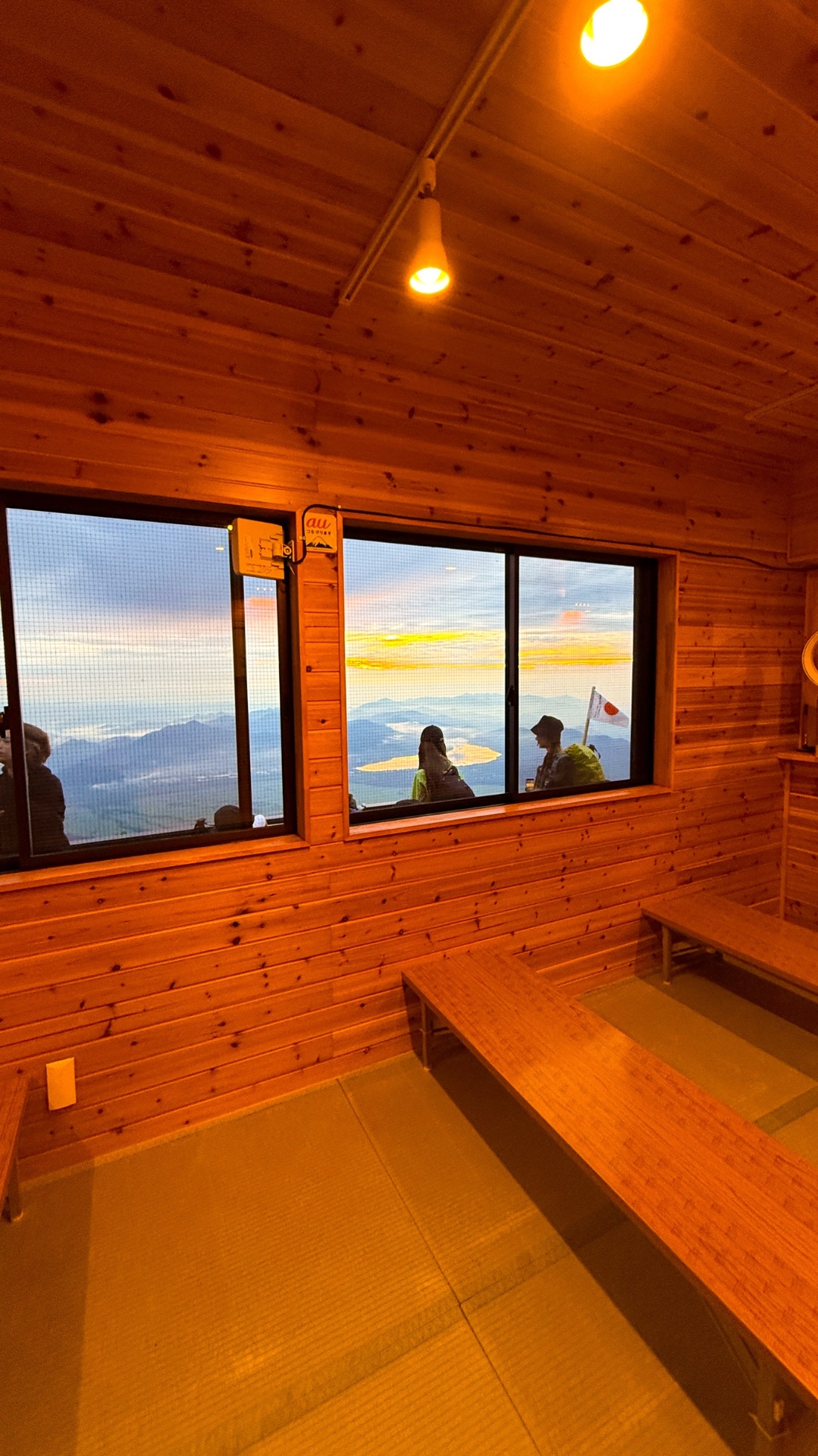
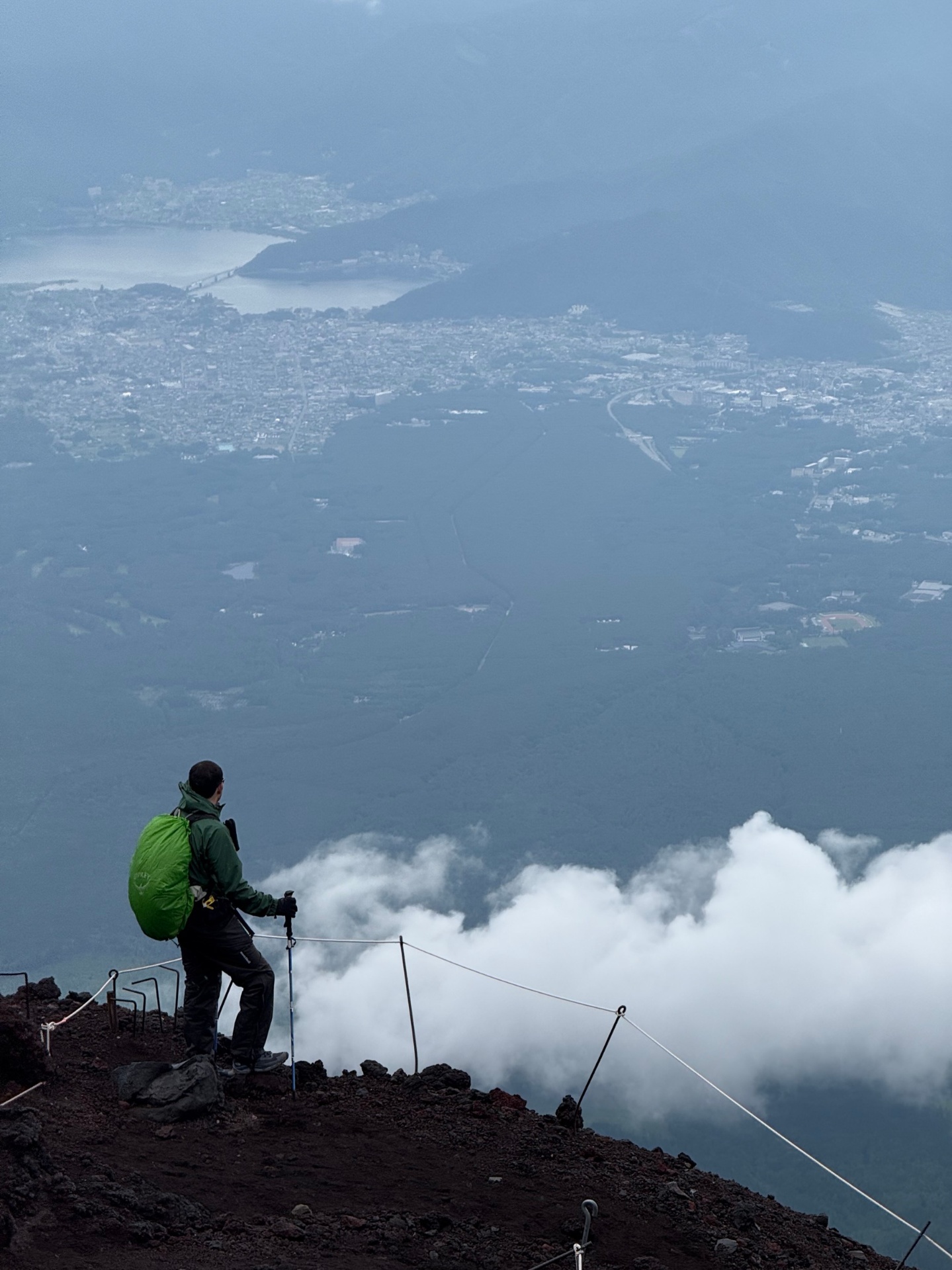
The 3-hour hike from 5th to 7th Station was a mostly pleasant with some parts being slightly more steeper than others. Having breaks at each station helps a lot. Beautiful views of Kawaguchiko and the surrounding nature. We checked into Kamaiwakan, ate dinner, watched the sunset from the hut, and slept a few hours.
Summit: Clouds, Breaks, and Practical Lessons
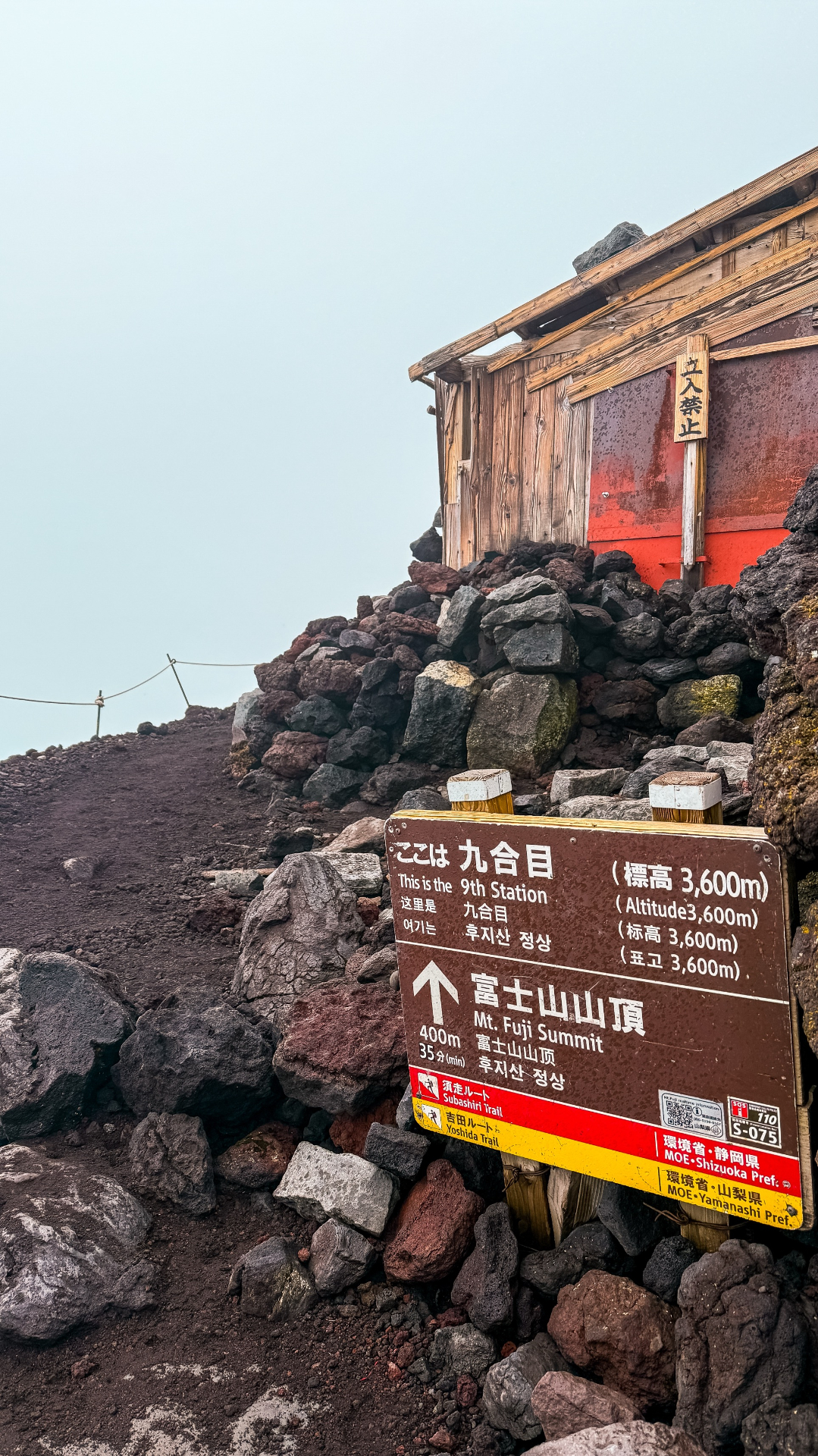
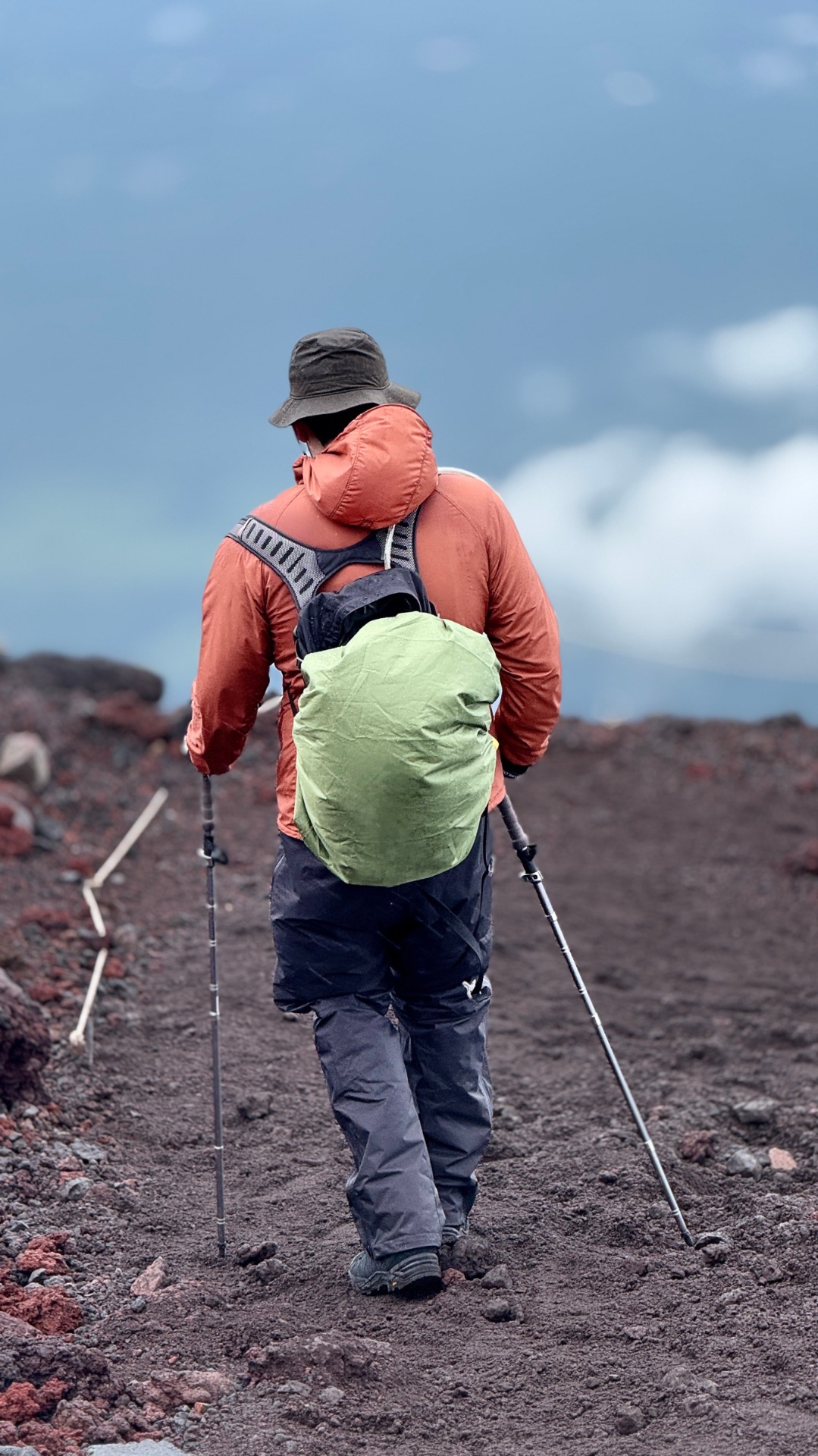
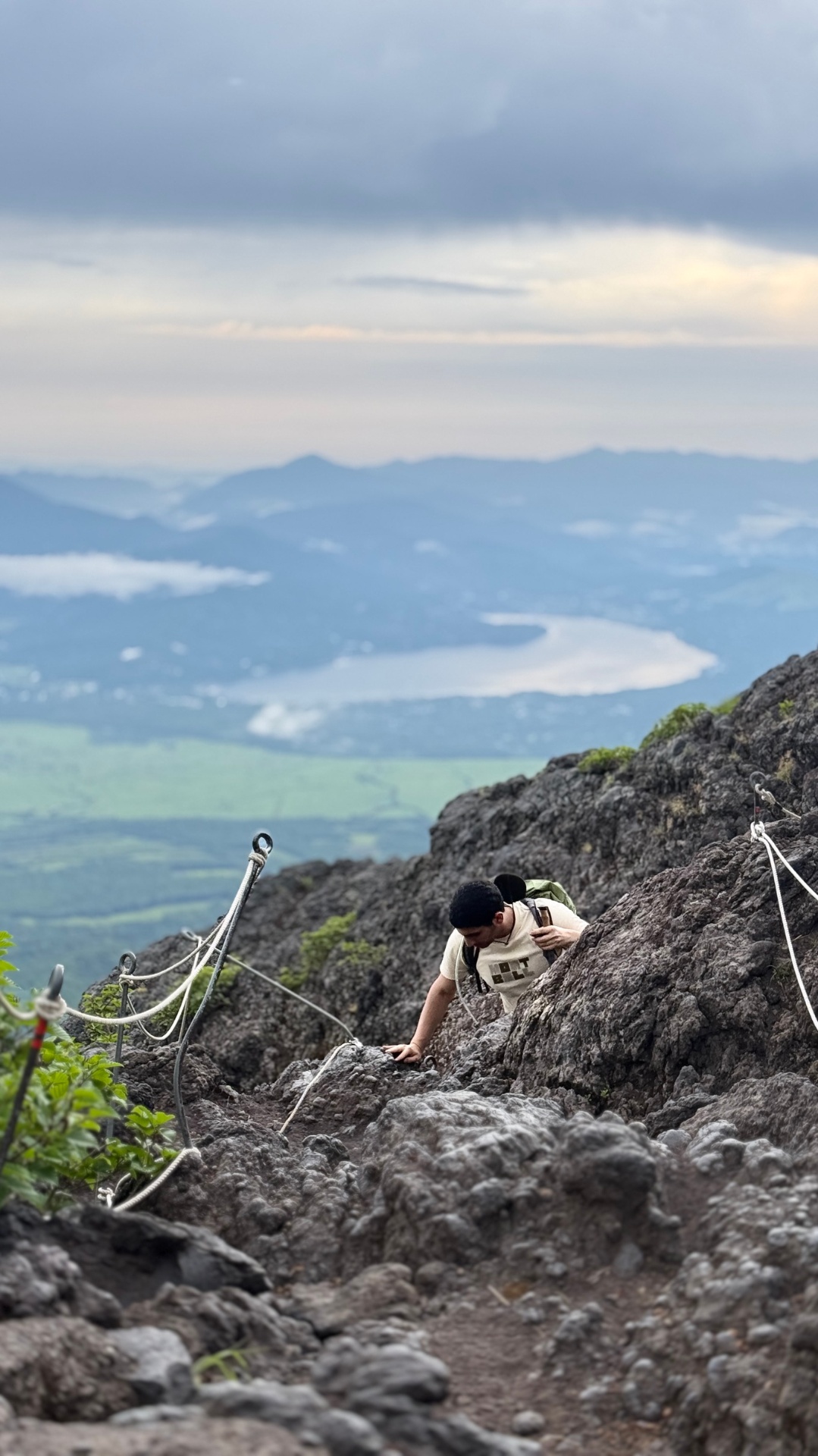
We woke at dawn, ate breakfast at the hut, and left around 6–7 AM. The final push to the summit took 4–5 hours with breaks at each station. Bring snacks and water — the stations are sporadic, and you'll get hungry as you climb. The ascent was strenuous at times, but the rhythm of station-to-station made it manageable.
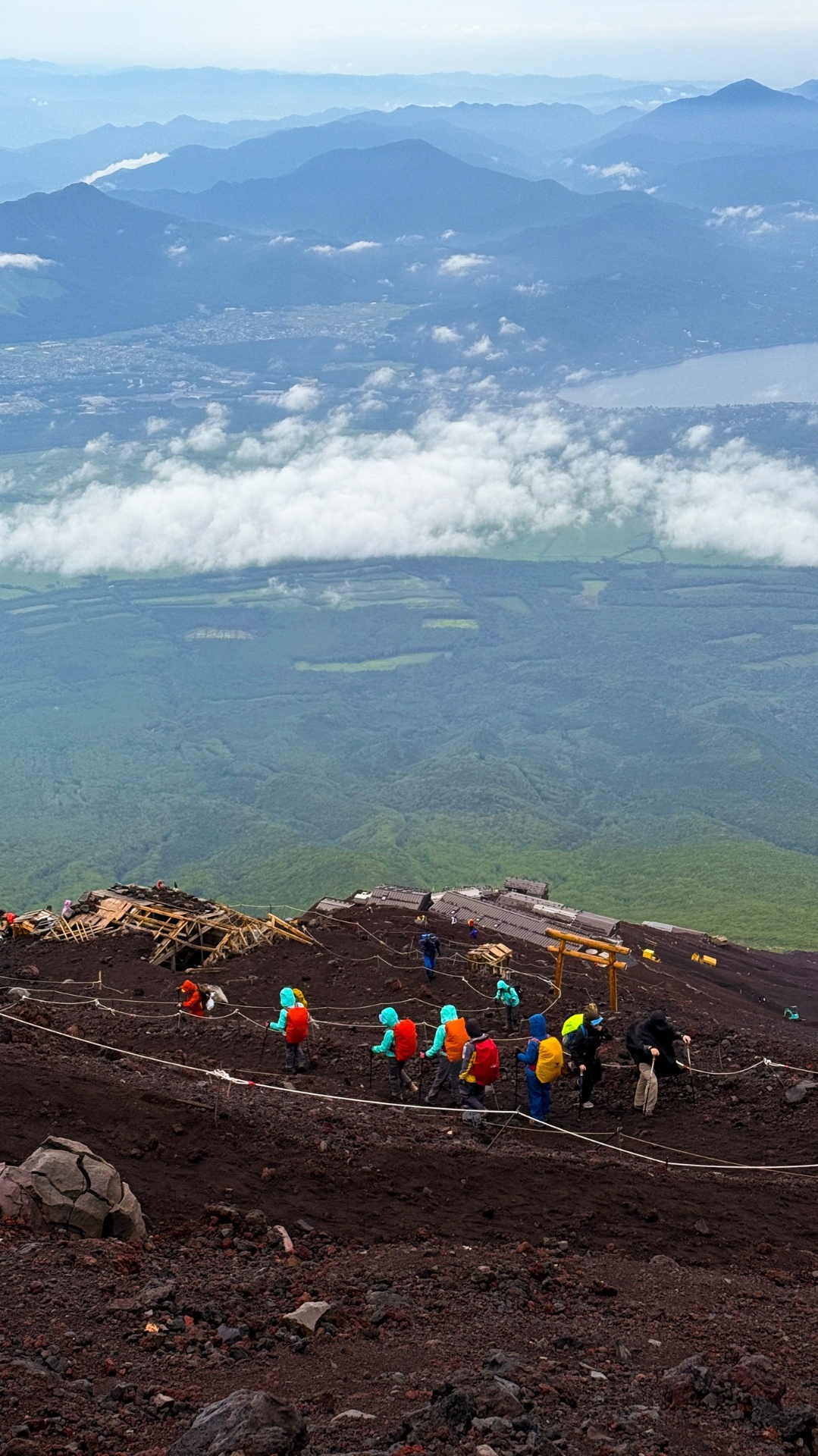
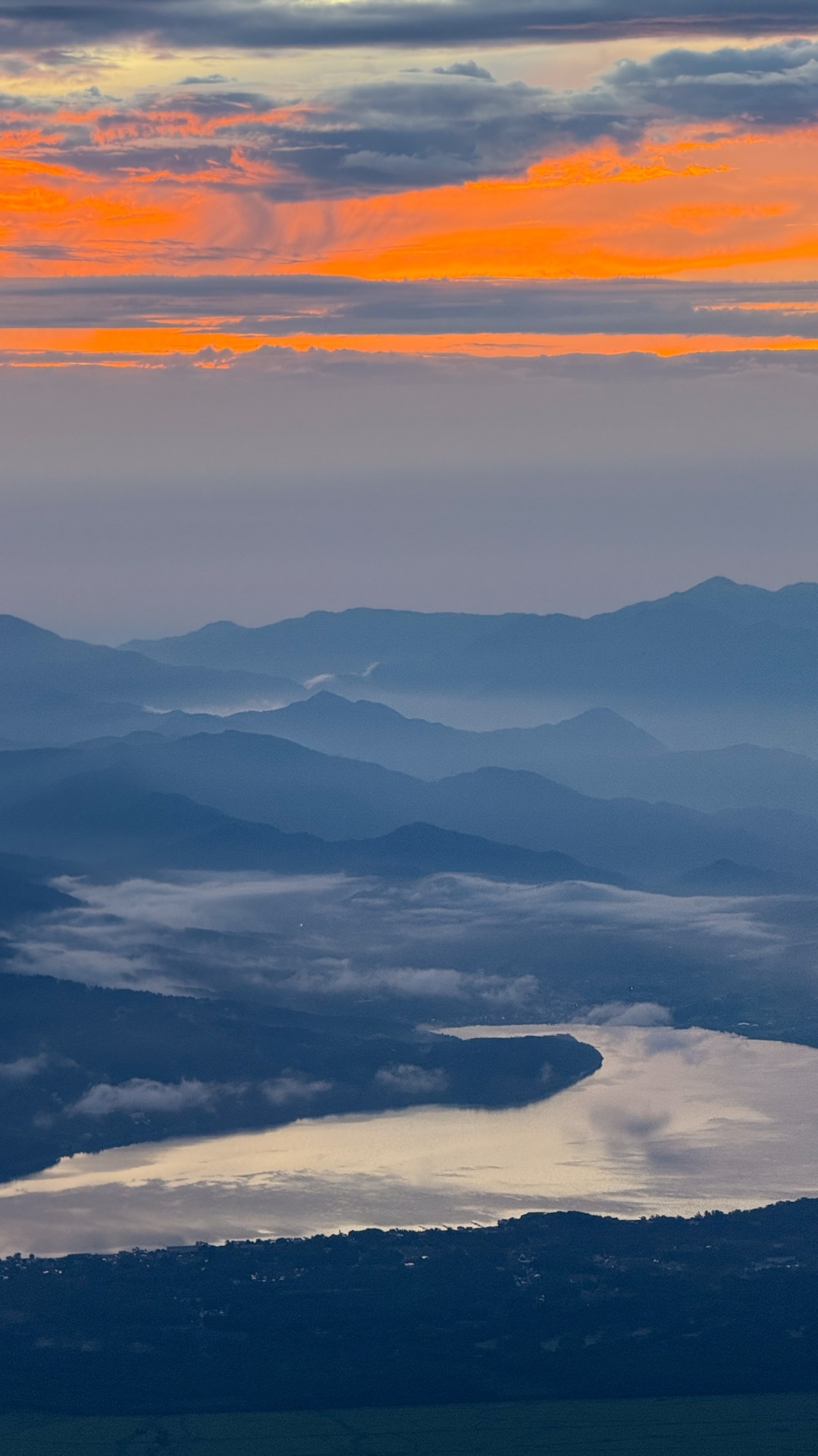
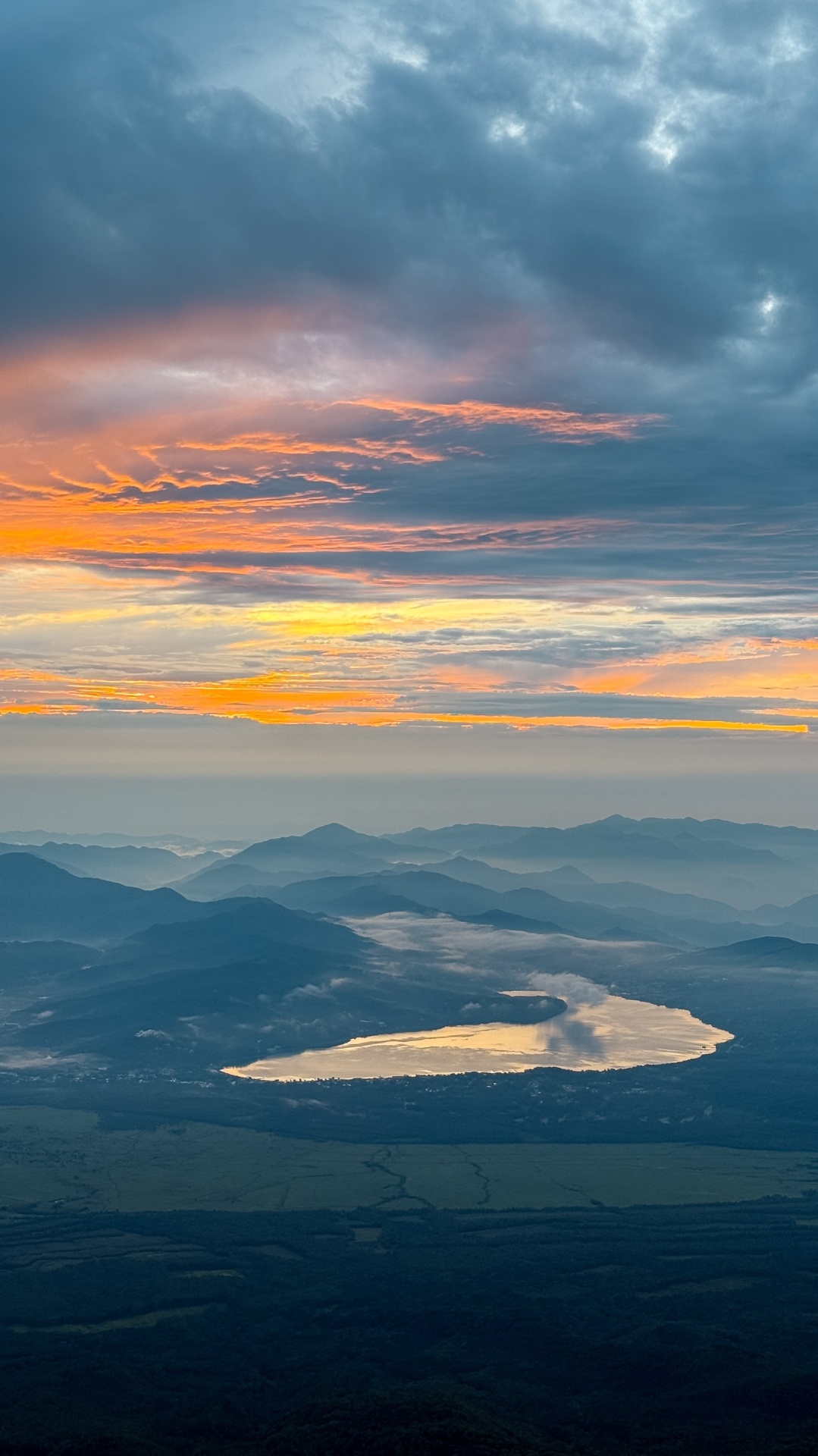
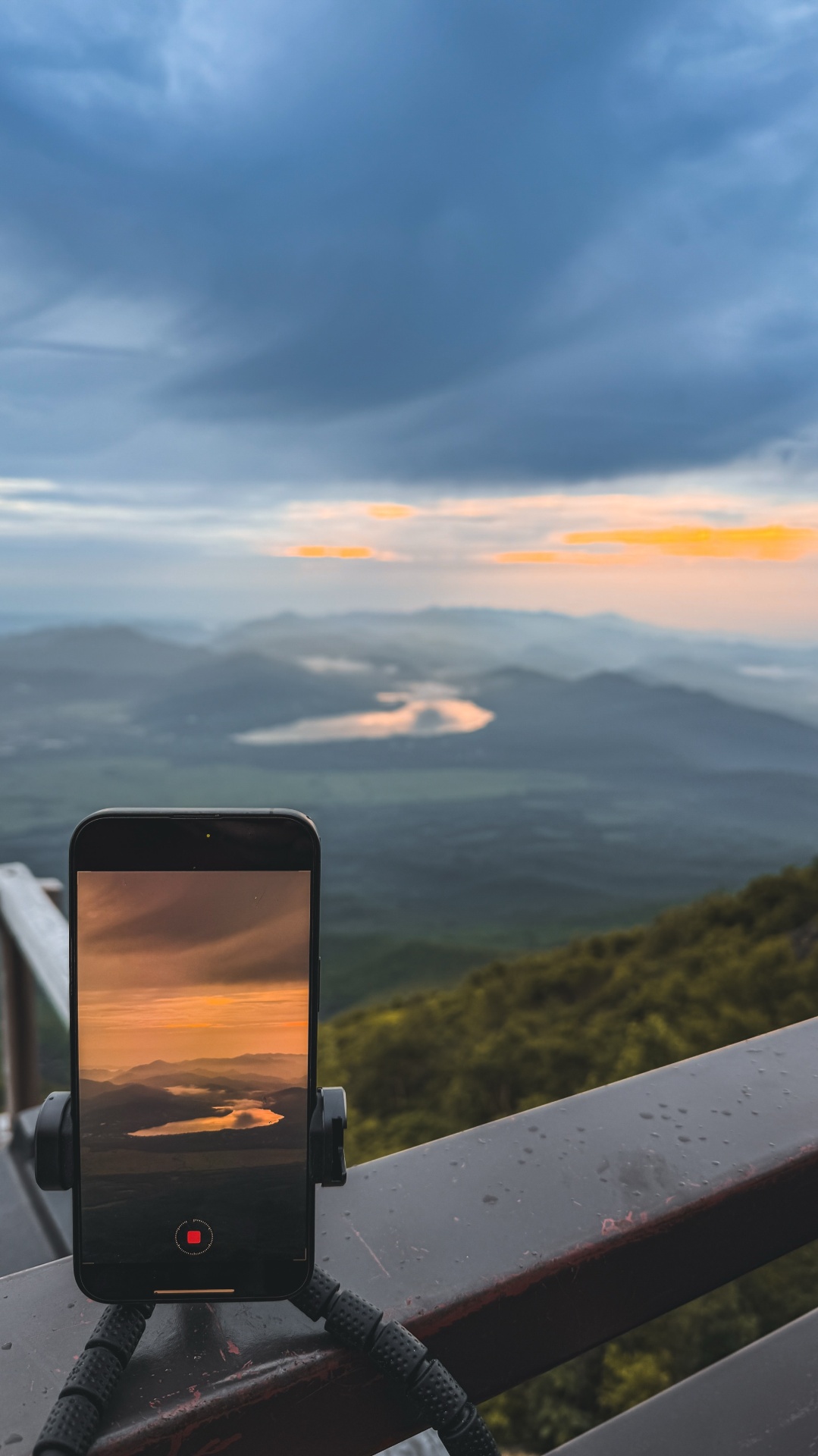
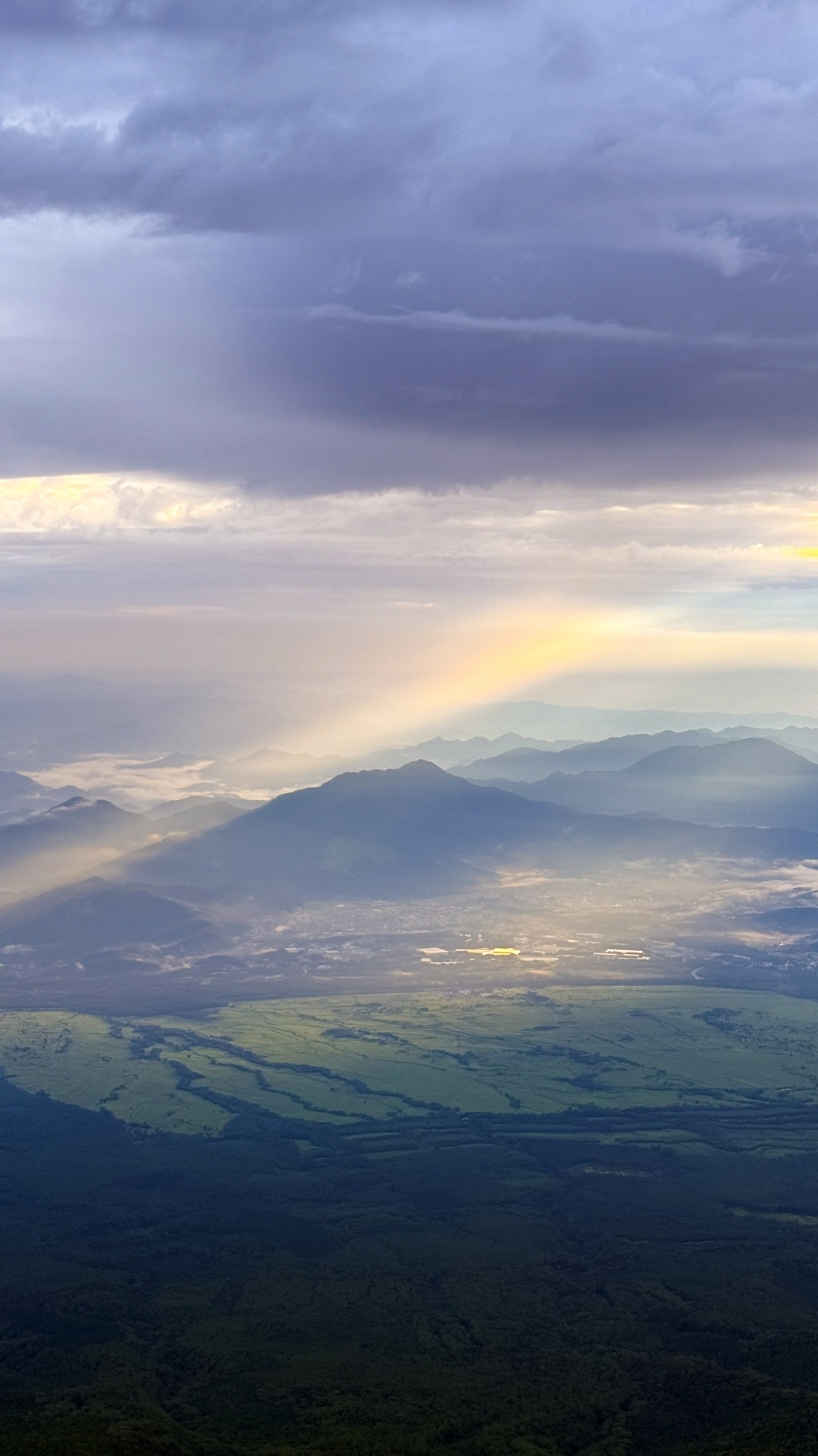
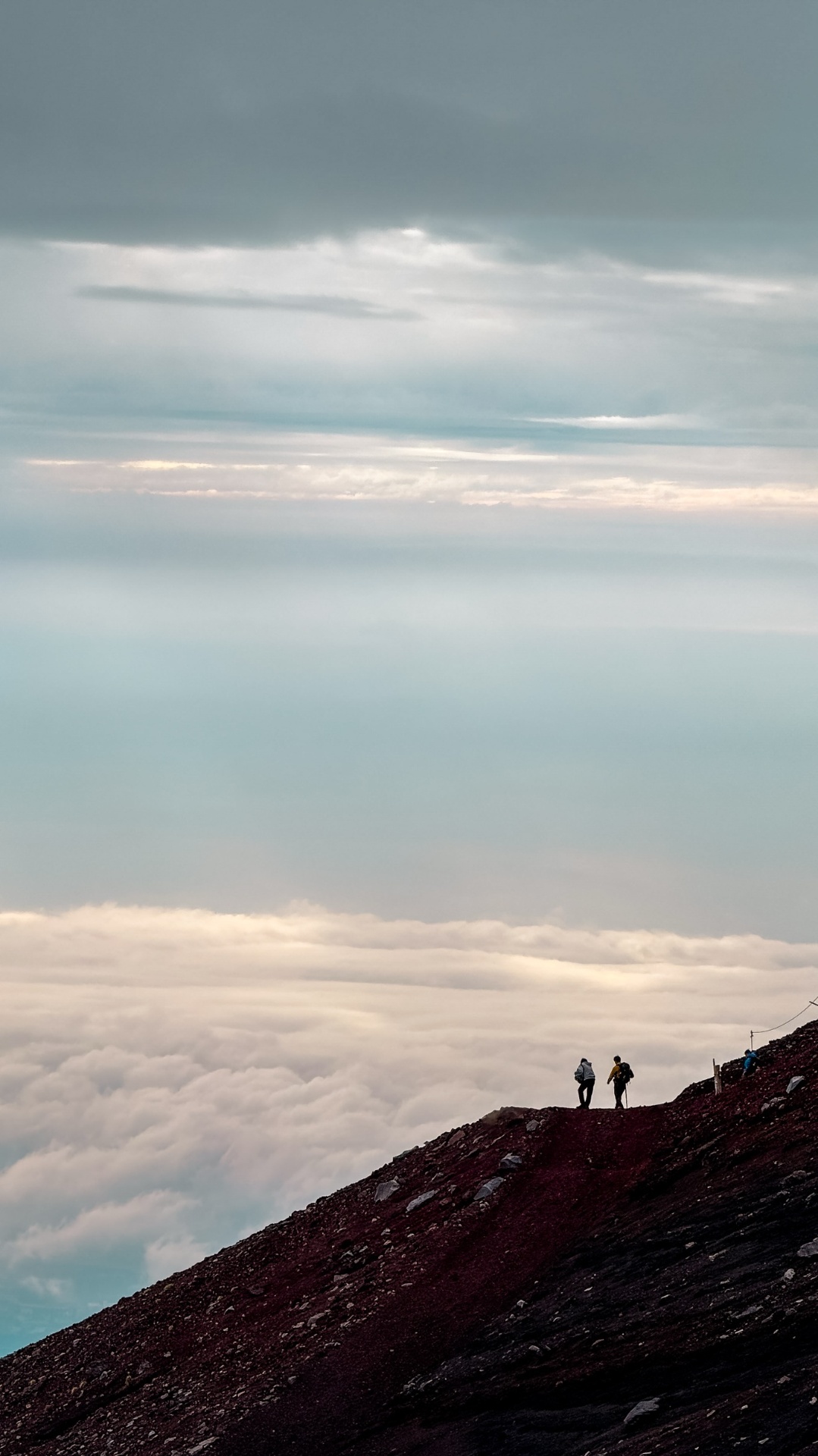
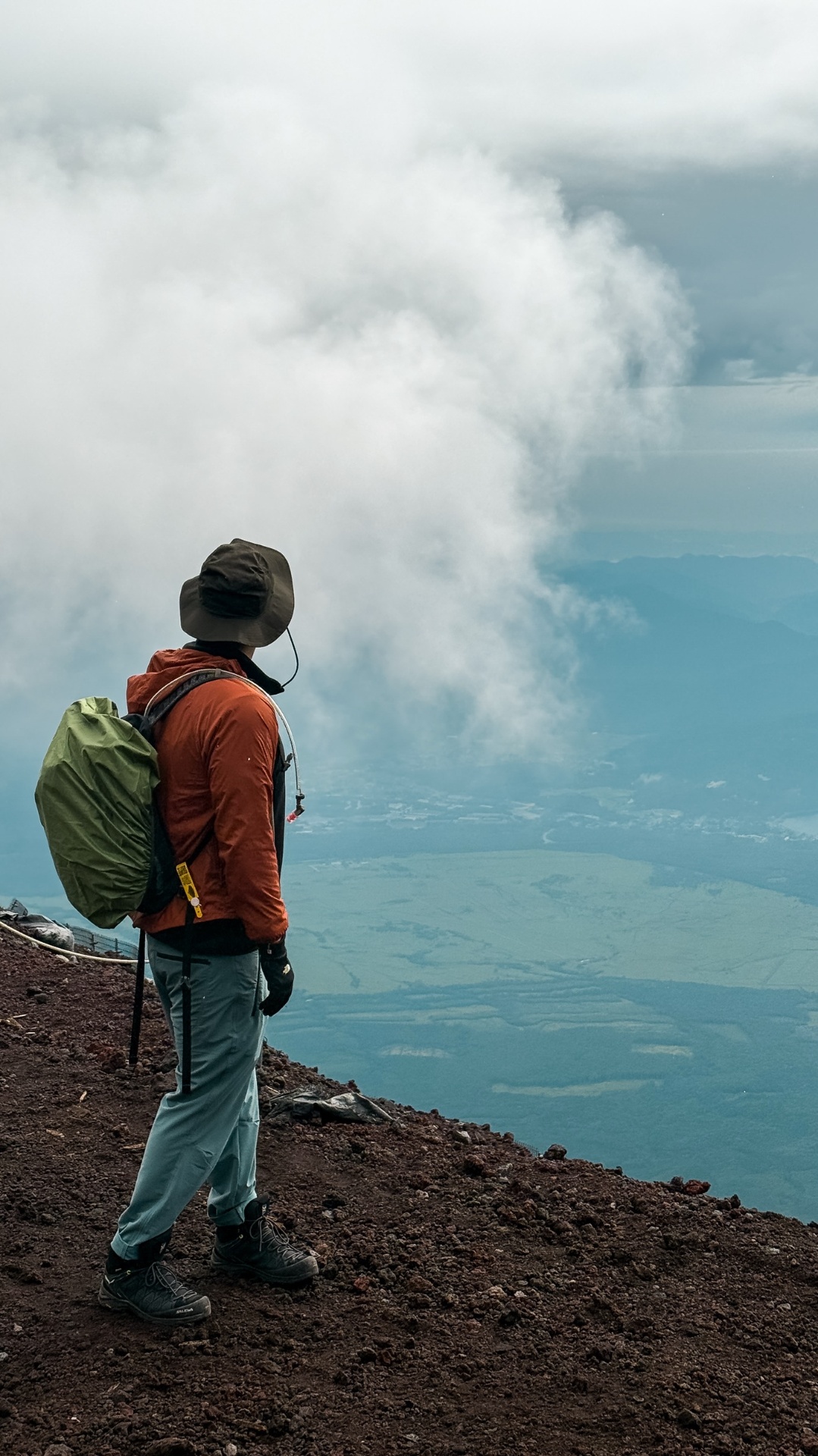
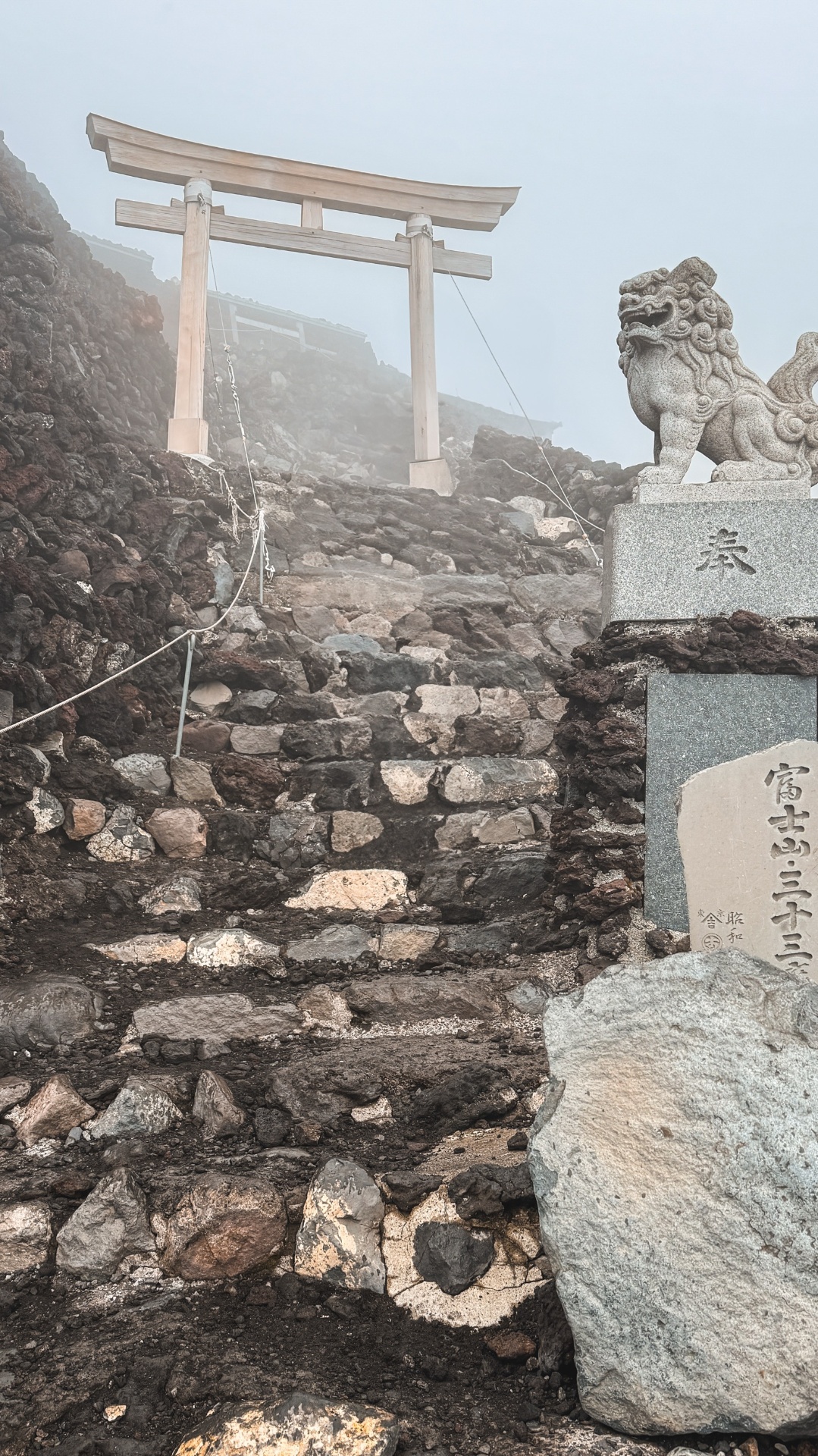
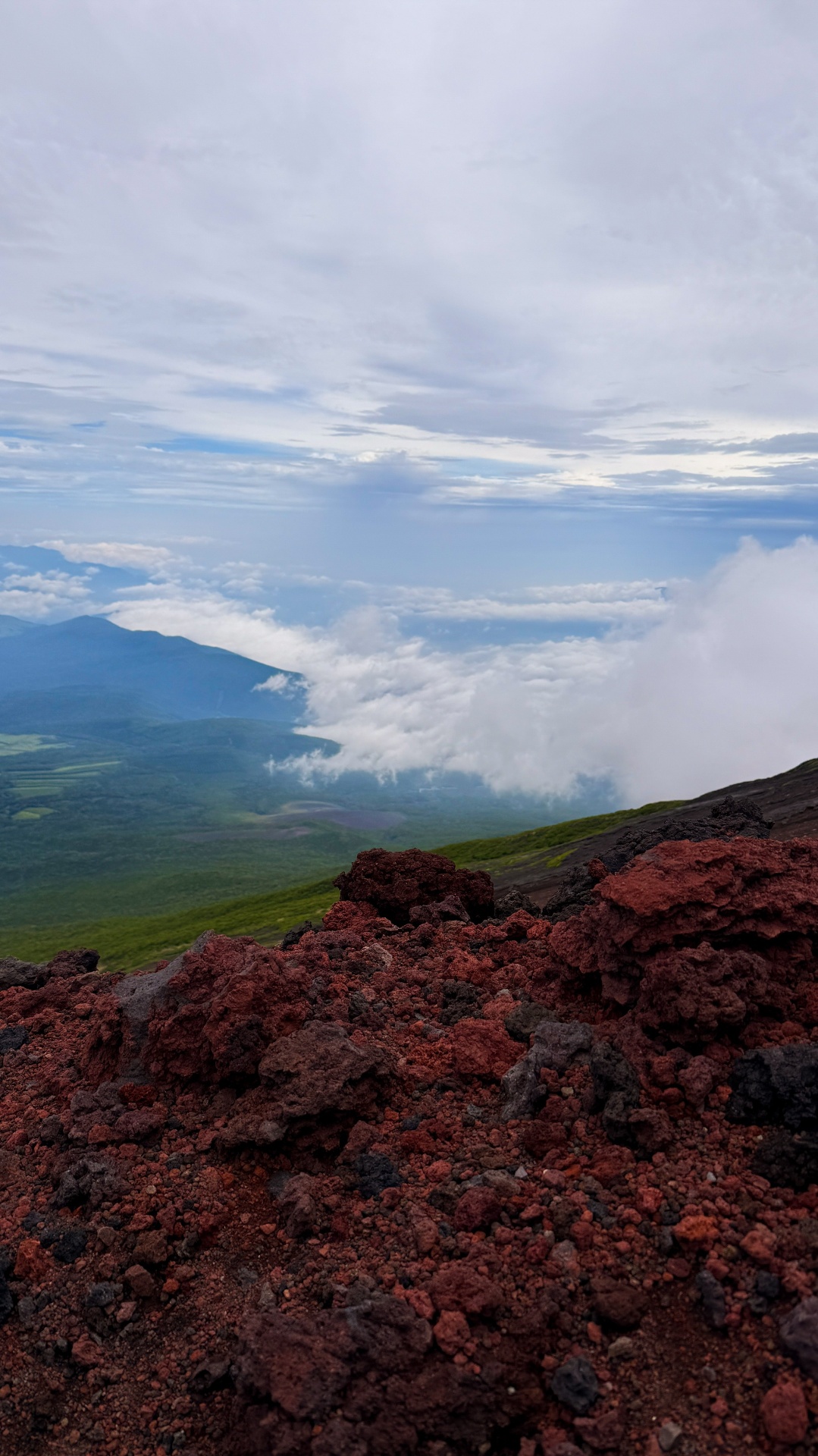
We reached 3,776 meters with clouds rolling in, but caught lucky breaks in the clouds with glimpses of the world below. We ate our snacks at the peak and rested before descent.
The descent was harder than expected — muscles you don't normally use start protesting. At the 7th Station, they route descenders onto a separate path to avoid meeting ascending climbers. But here's crucial:
- There are no services for 2–3 hours on the descent
- No bathrooms, no food stations
- Bring extra snacks and water for the way down
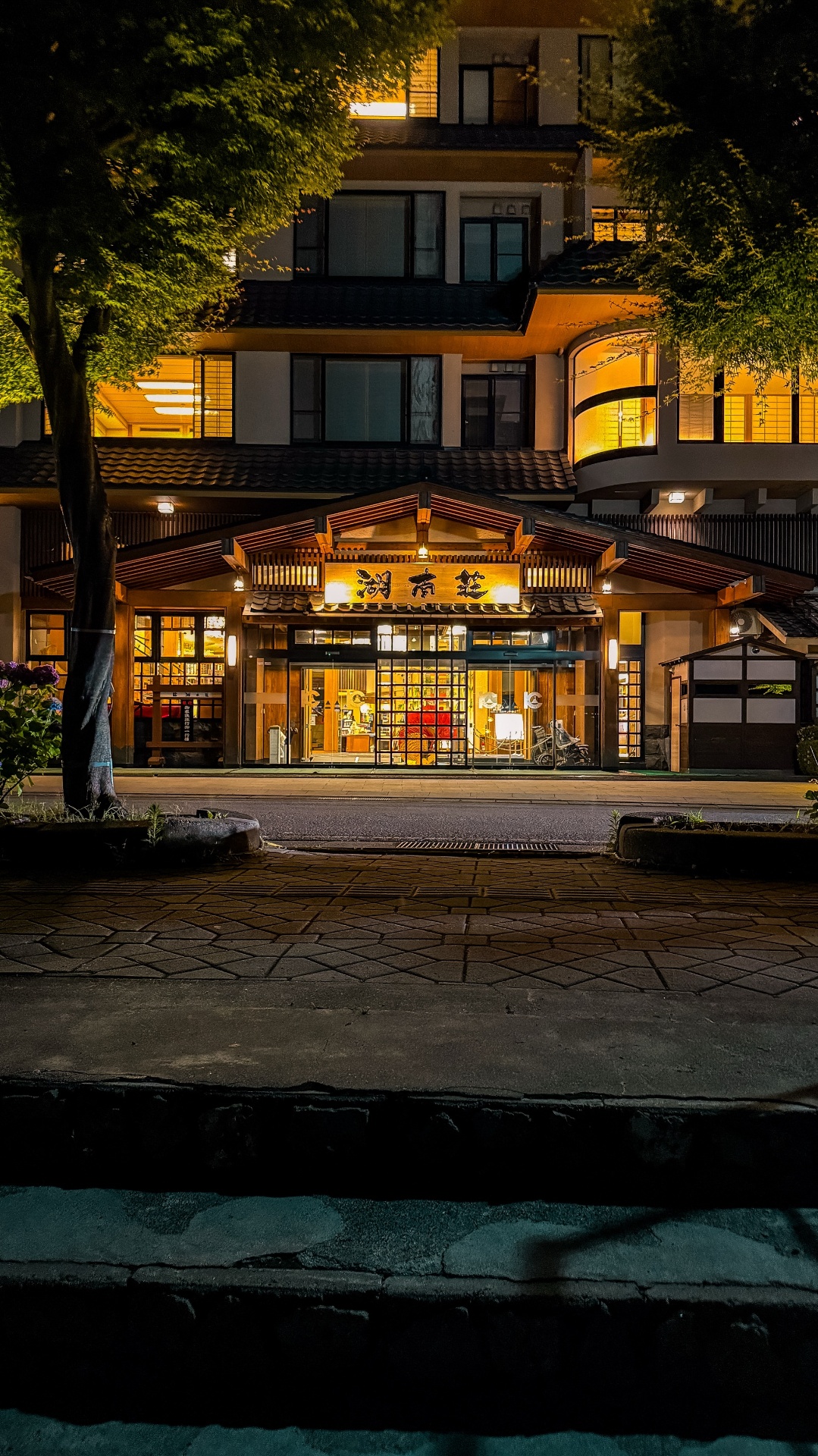
The final leg to 5th Station is mostly flat. By afternoon, we were back at Fuji Kawaguchiko Onsen Hotel Konansou, where we'd left our bags that morning.
Recovery & The Real Magic
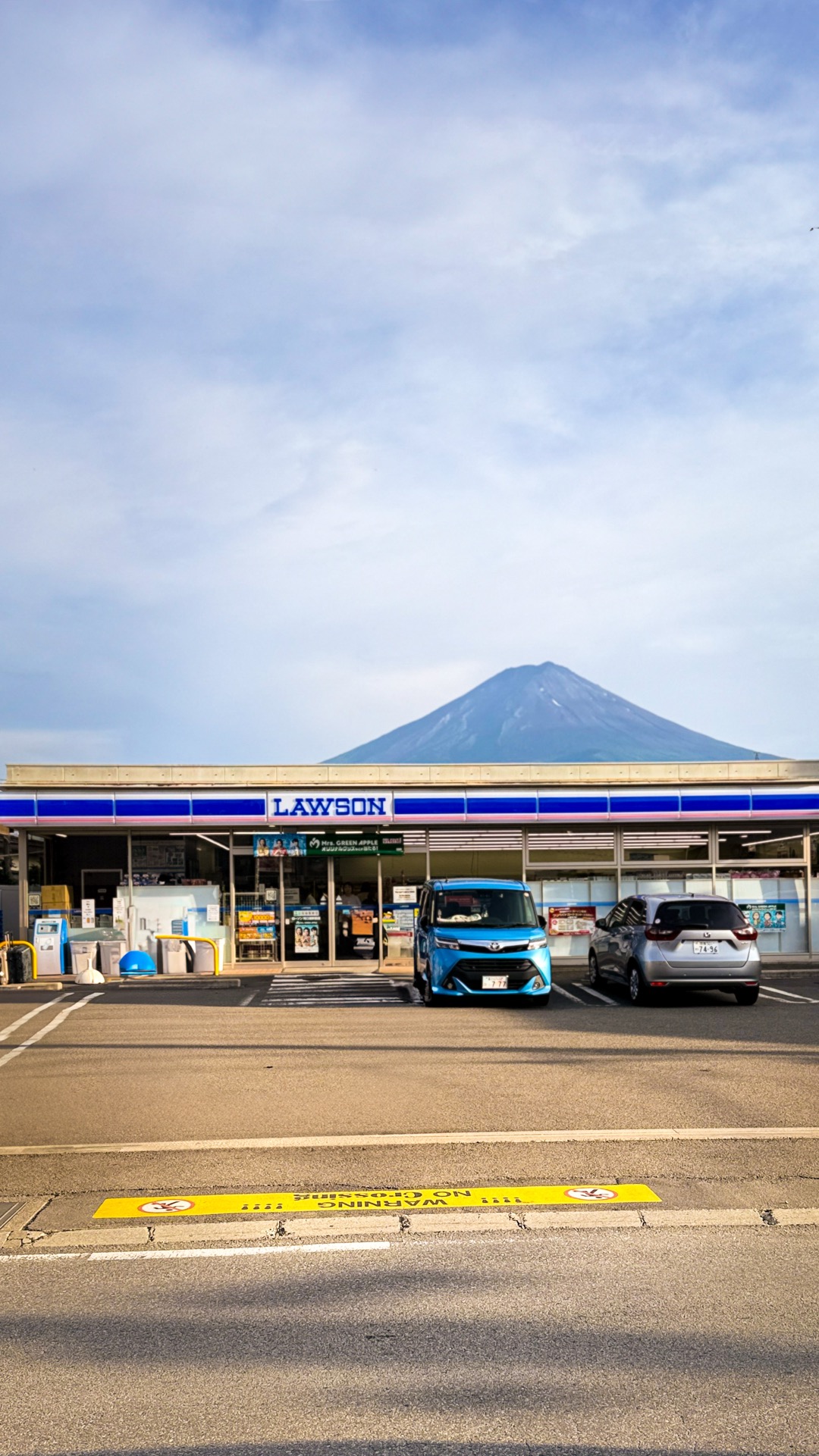
After we got back to the hotel, an onsen bath was everything. The hot water recovered all the soreness and strain in our bodies. We walked around town in the evening, stopped at the famous Lawson store for the iconic photo, enjoyed dinner, and slept in preparation for heading to Kyoto the next day.
Mount Fuji is famous for being crowded and challenging when it comes to time management. But we approached it differently:
- Booked accommodation so we could enter after 1 PM when everyone else had already climbed
- Stayed at the mountain hut so we avoided the 3 AM rush and took our time
- Timed it for opening day (July 1st) so we got all huts available and fewer local crowds
This wasn't a sprint to the top — it was an unhurried experience of the mountain, with recovery built in. That made all the difference.
Planning Tips at a Glance
- Aim for July 1st if you can — huts are fresh, and the season's crowds haven't peaked
- Book a mountain hut — it unlocks late entry past the 1 PM cutoff
- Sleep at Kawaguchiko the night before — acclimate and start relaxed
- Reserve an onsen hotel for the day you come down — your body will thank you
Sun, sweat & hydration
The sun above the tree line is no joke. Bring strong sunscreen and reapply often, wear a hat or cap, and pack a small reflective umbrella — it doubles as shade on exposed switchbacks. A small towel is perfect for wiping off sweat at each station break, and drink water consistently rather than in big gulps.
Snacks & fuel
Pack real fuel, not just candy:
- Electrolyte tablets or powder to mix into your water bottle
- Protein bars and mixed nuts for slow, steady energy
- GU energy gels — these were an absolute life-saver for us on the summit push and the descent. Get plenty and take one every hour or so once the climb gets steep
Mount Fuji rewards planning. Not the frantic kind — the calm, calendar-first kind.
Ready for your Japan adventure?
Copy this 18-day itinerary into Plany. Adjust dates, swap stops, add your photos, and share it with everyone joining you — all on a calendar that actually works.
Copy this itinerary to PlanyPlany Team
Writing about travel planning, AI-powered itineraries, and building better tools for travelers at Plany.
Start planning your next trip — free
Drag, drop, and organize your itinerary on a visual calendar. Add AI suggestions, photos, and share with friends.
Get Started FreeGet travel planning tips
Join our newsletter for trip planning guides, destination ideas, and Plany product updates.